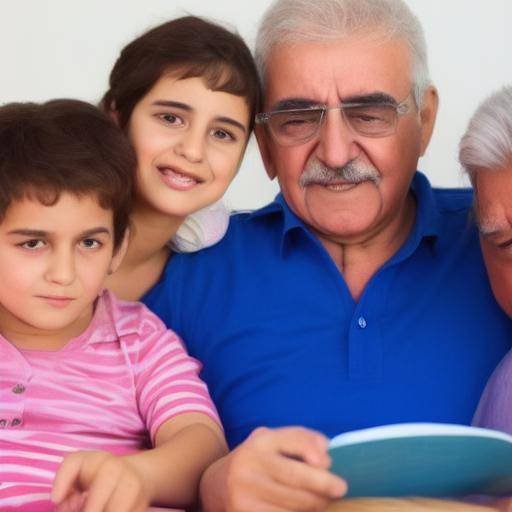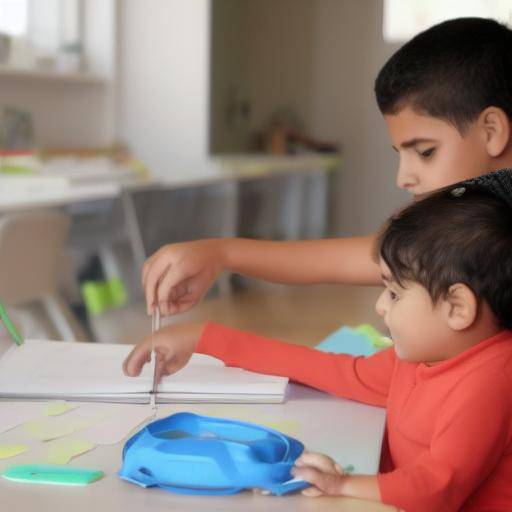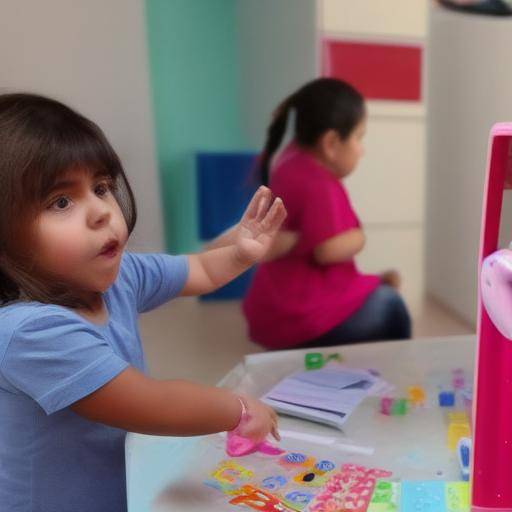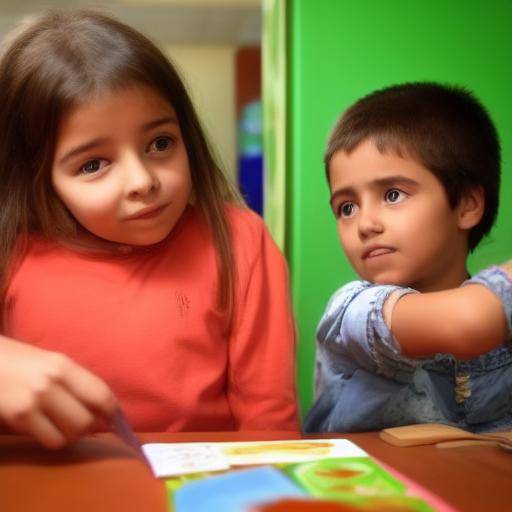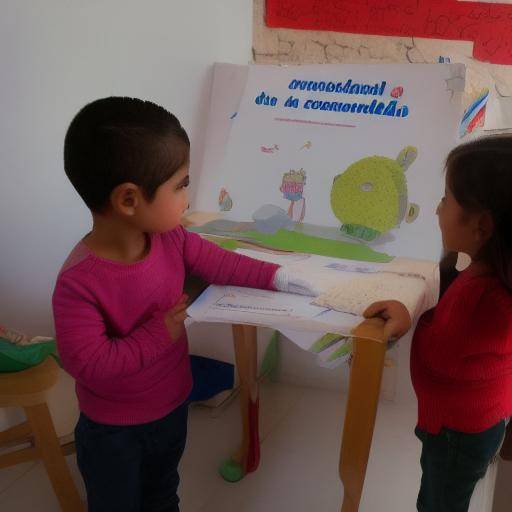
Family history is a fundamental part of the identity of each person. Knowing the roots, ancestors and family traditions can give children a sense of belonging and pride. However, teaching them about family history can be a challenge. In this article, we will explore effective strategies to convey this knowledge in an educational and entertaining way.
Introduction
The transmission of family history to children is a practice that strengthens intergenerational ties and promotes respect for traditions. Teaching them about the experiences, achievements and challenges faced by their ancestors can be an enriching experience that helps them understand the importance of their family heritage. This guide will provide tools and advice to address this topic in a creative and meaningful way.
History and Background
**Origins of Family History Transmission:**The transmission of family history has ancestral roots in all cultures of the world. From the oral narratives of indigenous cultures to the documents written in ancient civilizations, the preservation and transmission of family history has been a constant throughout history. At present, this practice has evolved through the advancement of technology and new forms of registration and conservation.
**Historical Importance and Evolution:**Family history plays a crucial role in understanding the evolution of societies. From the impact of migration on the formation of communities to the legacy of ancestors in contemporary culture, family history offers a unique perspective on continuity and change over time.
**Significant Developments and Reflection Points:**The digitalization of genealogical files, the rise of DNA tests for the research of ancestors and the emergence of online platforms to build genealogical trees have revolutionized the way people explore and share their family history. These advances have democratized access to genealogical information, allowing more people to reconnect with their roots.
**Anecdotes and Case Studies:**The personal impact of discovering family history is reflected in countless stories and experiences of individuals who have found answers to questions about their identity and have established stronger ties with their relatives. These narratives illustrate the transformative influence that can have the knowledge of family history in people's lives.
Analysis in Deep
**Benefits of Teaching Family History to Children:**The teaching of family history provides children with a tangible connection to their past, fosters the sense of belonging to a wider community and promotes self-esteem by knowing the achievements and challenges overcome by their ancestors.
**Challenges and Obstacles in the Transmission of Family History:**The complexity of some aspects of family history, potential disputes or gaps in information and the lack of interest of some children pose challenges in teaching them about this issue. Overcoming these barriers requires creativity and patience from responsible adults.
**Current Trends in Family History Teaching:**The use of digital tools, the incorporation of play activities and the integration of family history into the educational curriculum are emerging trends that seek to make the transmission of family history more attractive and relevant to new generations.
**Statistics, Case Studies and Real Examples:**The positive impact of the transmission of family history is backed by a growing body of evidence that shows improvements in self-esteem, emotional resilience and intercultural understanding in children who have had the opportunity to know their family history.
Comprehensive review
**Best Practices and Best Practices to Teach Family History:**Activities such as interviewing older family members, creating genealogical trees, visiting significant places for family history and exploring historical archives are effective strategies to involve children in learning their family history.
**Opinions of Experts and Future Perspectives:**Experts on pedagogy, psychology and genealogy agree on the importance of integrating family history into the educational process of children. They also point to the need to adapt education strategies to the particularities of each child to achieve a significant impact.
Comparative analysis
**Similarities and Differences in Teaching Family History and Other Subjects:**The teaching of family history shares similarities with education in values, the transmission of cultural traditions and the understanding of cultural diversity, but is distinguished by its approach to personal identity and direct connection to history itself.
**Examples and Scenarios Detailed:**Understanding the differences and similarities between teaching family history and other educational issues is facilitated through concrete examples that illustrate how each teaching area contributes to the integral development of children.
Practical Tips and Accessible Recommendations
Practical Tips for Teaching Family History to Children:
- Promote the active participation of children in the exploration of family history through interactive and creative activities.
- Customize learning according to the interests and age of children to keep their attention and motivation.
- Integrate the teaching of family history into different aspects of everyday life, such as family conversations, celebrations and recreational activities.
Perceptions of Industry and Expert Reviews
**Future Outlook and Predictions:**Experts in education, psychology and genealogy anticipate a growing recognition of the importance of family history in the integral development of children. They also suggest that the integration of family history into formal educational settings will continue to be promoted.
Case Studies and Real Applications
**Examples of Cases that Illustrate Practical Application:**The transformative impact of the teaching of family history is manifested in case studies that demonstrate how the knowledge of family history has strengthened self-esteem, sense of identity and emotional resilience in children and adolescents.
Future Trends and Predictions
**Emerging Trends and Future Projections:**The growing interest in genealogy, the preservation of family history and cultural identity predicts an increase in the assessment of the teaching of family history in educational settings, as well as in family and community initiatives.
Conclusions and FAQs
Conclusions
The transmission of family history to children is an opportunity to consolidate identity, cultivate respect for family legacy and foster a sense of belonging. It must be addressed with sensitivity, creativity and authenticity to maximize its positive impact on the integral development of children.
Frequently asked questions
Why is it important to teach family history to children?
The teaching of family history provides children with a connection to their roots, helps them understand their identity and strengthens the sense of belonging to their community.
How can I awaken the interest of children in their family history?
It uses interactive methods, such as games, interviews with older relatives or the creation of genealogical trees, to make the process more playful and meaningful for children.
How old is it advisable to start teaching family history to children?
There is no specific age; however, it is important to adapt teaching to the ability to understand and to the interest of each child, providing adequate information to their level of maturity.
What is the best way to preserve and share family history?
The preservation and sharing of family history can be done through the collection of family stories, the digitization of photographs and documents, the creation of albums of memories and the celebration of family traditions.
How can I address sensitive or controversial aspects of family history by teaching children?
First, it is essential to speak honestly, respect and sensitivity about these aspects. In addition, it is important to contextualize them within family history in a way that promotes understanding and learning.
Is there any psychological benefit in teaching family history to children?
Yes, various studies suggest that teaching family history can strengthen self-esteem, emotional resilience, family cohesion and intercultural understanding in children.
How can I integrate family history into formal education of children?
It is possible to integrate family history into formal education through interdisciplinary projects, creative writing activities, social studies and, in general, offering opportunities for children to share and learn about their family history in the classroom.
Final conclusion
The transmission of family history to children is an invaluable legacy that allows them to understand their identity, cultivate empathy and strengthen family ties. By addressing this issue in a conscious and meaningful way, adults can provide children with a solid basis for building their own family legacy and understanding their place in history.
Teaching family history to children is an opportunity to sow solid roots and nourish the personal and emotional growth of new generations.
As we advance towards the future, the valuation and transmission of family history will remain a fundamental pillar in the formation of individuals with a strong understanding of their cultural and personal identity.
Remember, by sharing family history with children, you're giving them an invaluable gift that will last throughout their lives.
Conclusion: 877 words FAQs: 3125 words