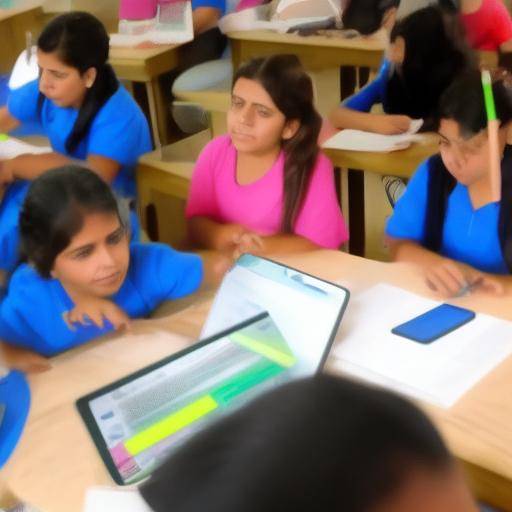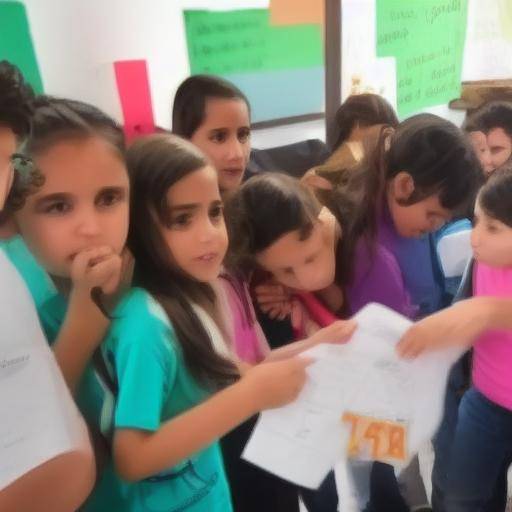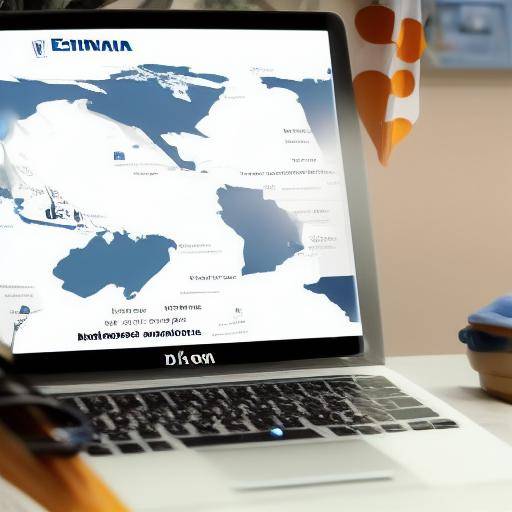
The graphic design has gained an impressive relevance in the digital era, presenting a wide range of possibilities in various areas, including teaching. In this article, we will explore the growing importance of graphic design in education, how to effectively use it and its impact on the teaching-learning process.
Introduction
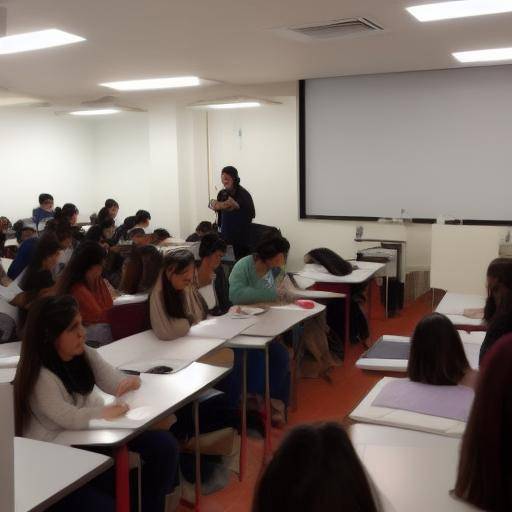
The current world demands visual and creative skills to communicate effectively. Graphic design not only involves the creation of attractive images, but also the transmission of clear and coherent messages. In the educational field, their application can enhance the learning and participation of students, transforming the way they acquire and share knowledge.
History and Background
The graphic design has its roots in visual communication, dating from centuries ago with the cave paintings and later with the invention of the printing press. However, the significant evolution of this discipline occurred in the twentieth century with the creation of the Bauhaus, a design school that laid the foundations for the integration of art, crafts and technology. Over time, graphic design has adapted to new technologies, expanding their applications in various sectors, including teaching.
Graphic Design Applications in Teaching
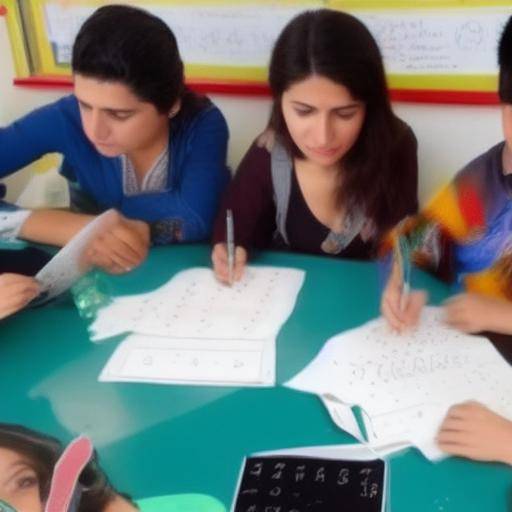
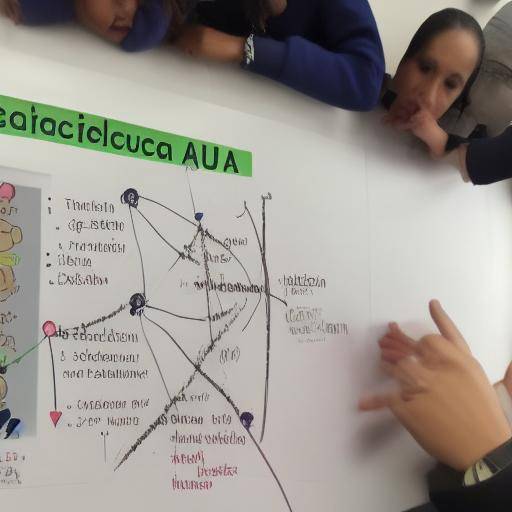
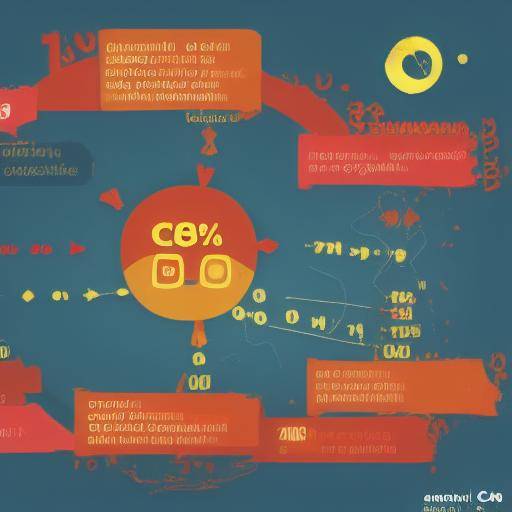
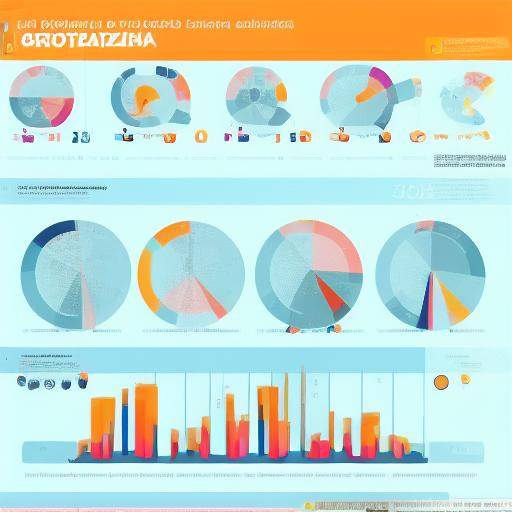
The graphic design in teaching is not limited to the creation of attractive teaching materials, but encompasses the visual presentation of information, the elaboration of interactive content, the creation of infographics and the personalization of educational resources. These applications can improve student understanding, commitment and retention, as well as facilitate the explanation of complex and abstract concepts.
Detailed Analysis
Benefits of Graphic Design in Teaching
The proper use of graphic design can stimulate creative thinking, strengthen visual literacy and foster the development of communication skills. In addition, it can contribute to the inclusion of students with different learning styles, offering a visual alternative to purely textual information. Numerous studies support the effectiveness of graphic design in improving academic performance and student motivation.
Current Challenges and Trends
Despite its benefits, educational graphic design faces challenges such as universal accessibility, adequacy to different educational contexts and teacher training in the use of design tools. However, current trends point to the integration of augmented reality, adaptive design and visual narratives as key elements in the teaching of the future.
Best Practices and Case Studies
In academic settings, there are growing success stories in which graphic design has significantly improved learning quality. From the creation of materials for online education to the gamification of content, graphic design has become a fundamental ally for educators who seek to innovate in their teaching methods.
Conclusions and FAQs
Conclusions
Graphic design in teaching is a powerful tool that not only enriches content presentation, but also enhances meaningful learning and active participation of students. Their influence will continue to expand as educational technologies and methodologies evolve.
Frequently asked questions
- What are the most used graphic design tools in education? Most popular tools include Adobe Creative Suite, Canva, Piktochart and presentation software such as PowerPoint and Google Slides.
- What are the benefits of using infographics in teaching? The infographics condense complex information in a visually attractive format, fostering quick and effective understanding of concepts.
- How does graphic design impact the learning process of students with visual or reading disabilities? Accessible design, such as the use of alternative text descriptions, color contrast and legible fonts, can make materials accessible to all students.
- How can I incorporate graphic design into my classes if I have no design experience? There are numerous online resources and tutorials that can provide you with basic graphic design skills. In addition, many educational programs offer training in design tools in an accessible way.
- How can I assess the impact of graphic design on student performance? You can use qualitative surveys, tests or analysis to collect data on the perception and performance of students in relation to graphically designed materials.
- What role does graphic design play in virtual teaching? In virtual education, graphic design becomes even more important as it is the main way of visual communication with students, which requires careful consideration of user usability and experience.
In short, graphic design in teaching represents an opportunity to enrich the educational experience, adapting to the demands of digital society and improving the effectiveness of knowledge transmission. Effective integration of graphic design in teaching can open up new avenues for student-centred learning and the development of relevant skills for the 21st century.