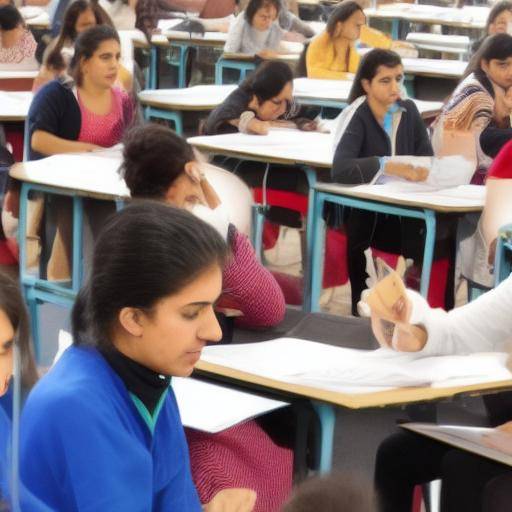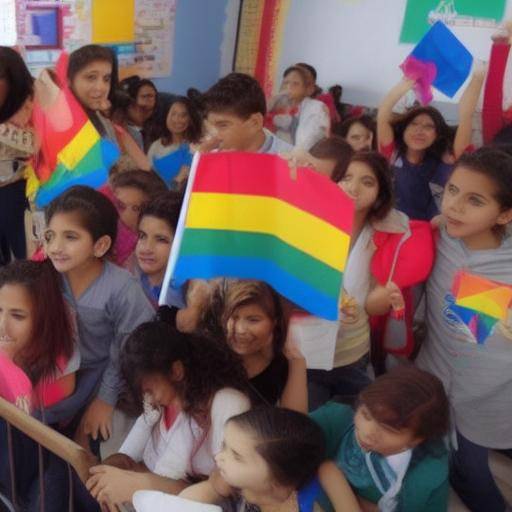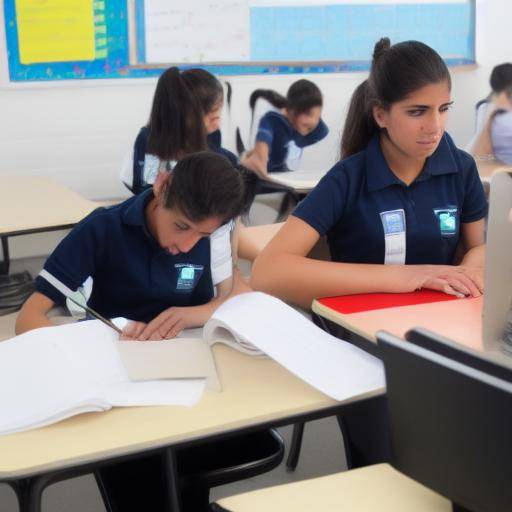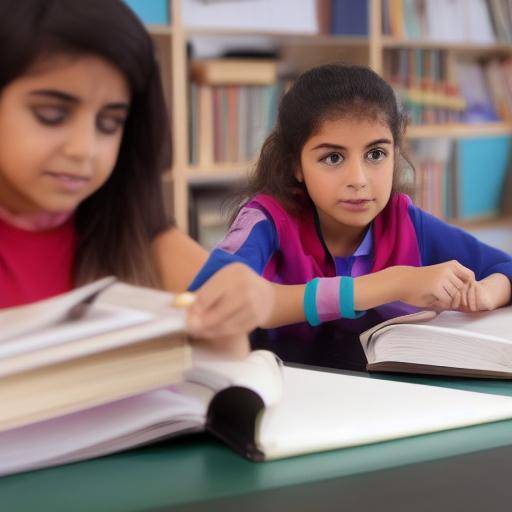
Inclusive cultural education is a subject of great importance in the field of education, as it promotes equality, respect and understanding among people of different cultures. It is essential to develop effective strategies to promote an educational environment that values and respects cultural diversity. In this article, we will thoroughly explore strategies for inclusive cultural education, its importance, practical implementation, future trends and much more.
Introduction
Inclusive cultural education focuses on creating educational environments that respect, value and celebrate cultural diversity. It is an approach that recognizes and addresses the cultural differences in classrooms, promoting intercultural understanding and equal opportunities for all students. In this article, we will explore effective strategies to implement inclusive cultural education, with the aim of promoting a more equitable and plural society.
History and Background
Inclusive cultural education has its roots in social movements that fought for equal rights and opportunities for all individuals, regardless of their cultural origin. Throughout history, various events and leaders have contributed to the development of this educational approach, marking significant milestones in promoting cultural diversity in the educational field.
To fully understand the importance of inclusive cultural education, it is essential to explore its evolution over time, from its inception to its current state. From the Universal Declaration of Human Rights in 1948 to the movements for educational inclusion today, inclusive cultural education has experienced significant advances that have positively impacted the way in which education is conceived and respect for cultural diversity.
One of the most relevant milestones in the evolution of inclusive cultural education was the Declaration of Salamanca in 1994, which promoted inclusive education as a fundamental right for all people. This paper laid the foundation for numerous policies and practices that actively promote educational inclusion in diverse cultural contexts.
Inclusive cultural education has gained relevance in the context of globalization, where interconnection between cultures has become more evident than ever. Faced with this panorama, the promotion of effective strategies for inclusive cultural education has become an imperative, not only to ensure educational equity, but also to foster harmonious coexistence in multicultural societies.
Deep analysis
The implementation of effective strategies for inclusive cultural education entails multiple benefits both individually and in society as a whole. Educational experiences in culturally inclusive environments foster empathy, understanding and mutual respect among students, promoting the development of intercultural skills essential to coexistence in a diverse and globalized world.
However, the implementation of inclusive cultural education is not without challenges. The management of cultural diversity in educational settings may require additional resources, such as teacher training, the adaptation of educational materials and the creation of inclusive environments that respect the cultural identities of each student.
Comprehensive review
Strategies for inclusive cultural education should address these challenges through practical and results-oriented approaches. The identification of good practices and successful models in the implementation of inclusive cultural education is essential to guide action in this area. It is important to note that inclusive cultural education not only benefits students from cultural minorities, but also enriches the educational experience of all students by promoting mental openness, tolerance and respect for diversity.
Conclusions and FAQs
The development of effective strategies for inclusive cultural education is a crucial aspect of building inclusive and respectful societies. As cultural diversity remains a fundamental enrichment in our world, the promotion of effective strategies for inclusive cultural education becomes increasingly relevant.
Strategies for inclusive cultural education can address a wide range of challenges and opportunities, from adapting curricula to promoting educational environments that value and respect cultural diversity. Through a holistic approach, it is possible to promote educational equity and build intercultural bridges that enrich the educational experience of all students.
In considering the positive impact of inclusive cultural education, it is essential to explore innovative and effective strategies that can be implemented in diverse educational settings. The commitment to promoting cultural inclusion in education is a crucial step towards building a more just and equitable world for future generations.
Frequently asked questions
1. What are some effective strategies to promote inclusive cultural education?
Implement cultural awareness programmes, promote diversity in educational materials, and train teachers in intercultural skills are effective strategies to promote inclusive cultural education.
2. What is the role of parents and the community in promoting inclusive cultural education?
Parents and the community play a key role in promoting inclusive cultural education by supporting diversity, participating in intercultural educational activities and fostering respect for differences.
3. How can schools address the challenges of cultural diversity in the classroom?
Schools can address the challenges related to cultural diversity in the classroom by adopting inclusive pedagogical approaches, promoting intercultural dialogue and adapting educational programmes to reflect the diversity of students.
4. What concrete benefits can inclusive cultural education provide to students?
Inclusive cultural education can provide benefits such as developing intercultural skills, promoting empathy and mutual respect, and preparing students to participate in multicultural societies.
5. How can educators promote cultural inclusion in the classroom?
Educators can promote cultural inclusion in the classroom by integrating intercultural perspectives into the curriculum, holding cultural events and creating an educational environment that values diversity.
6. What are some common challenges facing schools in implementing inclusive cultural education?
Some common challenges faced by schools in implementing inclusive cultural education include lack of resources, language barriers and resistance to change in established educational practices.
With this thorough exploration of strategies for inclusive cultural education, readers gain a clear and profound insight into practical approaches, benefits and challenges associated with promoting cultural inclusion in educational settings. In addition, frequent questions address key aspects of this topic, providing detailed and insightful answers to enrich the reader's understanding.
Taking into account the needs and challenges of cultural diversity in education is crucial for building more inclusive and equitable communities. By implementing effective strategies for inclusive cultural education, we can generate a significant impact on the promotion of respect, understanding and diversity in the educational field, laying the foundations for a more inclusive society in the future.