Introduction
Environmental education plays a key role in the formation of citizens responsible and aware of their environment. In the present world, characterized by significant environmental challenges, the importance of incorporating environmental education in educational and individual systems cannot be underestimated. In this article, we will thoroughly explore the role of environmental education in the formation of responsible citizens, analyzing their history, benefits, challenges, best practices, and the future landscape. In addition, we will offer practical advice, expert insights, applicable case studies, and emerging trends.
History and Background
Environmental education has its roots in growing concern for the preservation of the environment. It emerged as a response to the growing awareness of the need to protect natural resources and address the negative impacts of human activity on the environment. Over the centuries, different movements, organizations, and personalities have contributed to the development of environmental education. The evolution of environmental education has been marked by significant milestones, such as the Tbilisi Declaration in 1977, which established the fundamental principles of international environmental education.
Deep analysis
Environmental education promotes understanding of environmental problems and promotes a sense of responsibility and action. Young people exposed to environmental education are more likely to adopt sustainable practices in their daily lives. However, there are challenges, such as lack of resources, resistance to change, and the need to integrate environmental education in a transversal way into school curricula.
Comprehensive review
Effective implementation of environmental education programmes in schools, communities, and organizations can lead to greater collective awareness and more sustainable behaviour. Interdisciplinary approach and experiential learning are key to maximizing the impact of environmental education. Despite the challenges, the transformative potential of environmental education is undeniable.
Comparative analysis
Environmental education, the role of citizens in the preservation of the environment, and the formation of responsible citizens are closely intertwined. Environmental education aims to strengthen the understanding of the interconnections between human action and the environment, preparing individuals to confront the current environmental reality.
Practical Tips and Accessible Tips
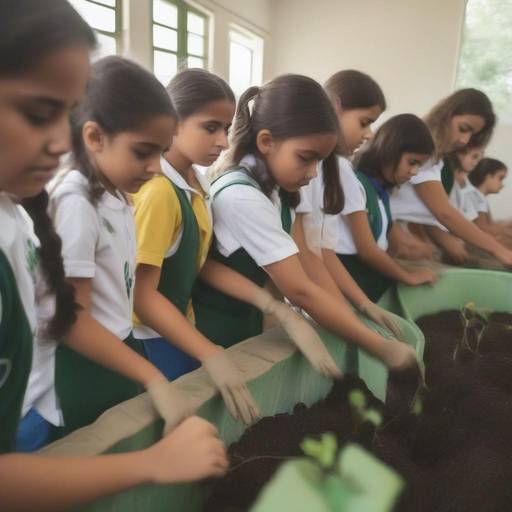
To promote effective environmental education, it is crucial to systematically integrate it into the curricula. Promoting practical projects, promoting community participation, and fostering student leadership in environmental initiatives are effective approaches to involving youth in environmental action.
Industry ideas and Expert Reviews
Environmental education experts emphasize the importance of inculcating environmental literacy and ecological empathy in students. Building partnerships with local environmental organizations and providing experiential learning opportunities can enrich environmental education.
Case Studies and Practical Applications
The impact of environmental education is evidenced through prominent cases, such as education programmes focused on the conservation of natural resources, awareness of climate change, and the promotion of sustainable lifestyles among young people.
Future Trends and Predictions
As environmental challenges continue to intensify, environmental education is expected to become a fundamental pillar of citizen training in an increasingly interconnected and ever-changing world.
Conclusion
In short, environmental education plays an essential role in the formation of responsible and committed citizens to the preservation of the environment. From its historical origins to the practice of everyday life, environmental education has demonstrated its ability to inspire change and promote a sustainable future. Considering global environmental challenges, it is essential that environmental education continue to evolve and expand its scope to forge a more conscious and committed society to the protection of the environment.
Frequently asked questions
**Why is environmental education important in citizen training?**Environmental education fosters an understanding of the interdependence between people and the natural environment, promoting a conscious and committed citizenship with the protection of the environment.
**What are the main challenges for the effective implementation of environmental education?**Challenges include lack of resources, resistance to change in educational systems, and the need to integrate environmental education into curricula in a cross-cutting manner.
**How can local communities and organizations contribute to environmental education?**Local communities and organizations can promote practical projects, collaborate with schools for educational programmes and provide resources to strengthen environmental education at the local level.
**What is the long-term impact of environmental education on society?**Environmental education can lead to significant cultural changes by fostering sustainable practices, civic participation and leadership in environmental protection.
**What role do governments play in promoting environmental education?**Governments can support environmental education through policies, funds and the integration of sustainable practices into educational institutions and society at large.
**What are some effective strategies to involve young people in environmental education?**The integration of practical projects, interdisciplinary approaches, the promotion of student leadership and community participation are effective strategies to involve young people in environmental education.
In conclusion, environmental education plays a crucial role in the formation of citizens responsible and aware of their environment. By promoting understanding of environmental challenges and fostering sustainable behaviour, environmental education is a key pillar in building a more equitable and respectful future with nature.