The ability to conduct efficient research is crucial to the academic success and personal development of students. In the information age, the ability to collect, analyze and synthesize data is a fundamental skill that transcends disciplines. In this article, we will explore the importance of teaching research skills at school, as well as effective strategies to promote their development.
Why Show Research Skills at School?
History and Evolution
Research skills have their roots in antiquity, with examples of research methodologies that go back to ancient civilizations such as Greek and Chinese. However, their formal integration into the school curriculum is a relatively recent phenomenon. As society has evolved and the amount of information available has exploded, the need for research skills has become more pressing.
Advantages and Challenges
Teaching research skills at school not only promotes a deeper understanding of the topics studied, but also fosters critical thinking, problem solving and the ability to make informed decisions. However, it also faces challenges, such as the need for adequate resources and teacher training.
Effective Strategies for Teaching Research Skills
Integration of the Curriculum
The integration of research skills in different subjects allows students to understand how to apply these skills interdisciplinaryly. By incorporating research projects in subjects such as science, humanities and mathematics, a holistic understanding of research is encouraged.
Use of Technology
The technology provides students with access to a wide range of information sources and analysis tools. Teaching skills to assess the credibility of online sources and using software for data analysis is fundamental in the digital age.
Experience learning
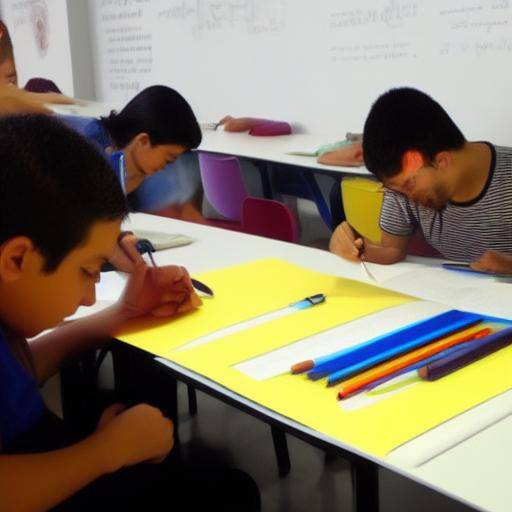
Experience-based learning, which includes practical research projects and visits to research institutions, allows students to immerse themselves in the real research process, which strengthens their understanding and appreciation of the importance of these skills.
Student collaboration
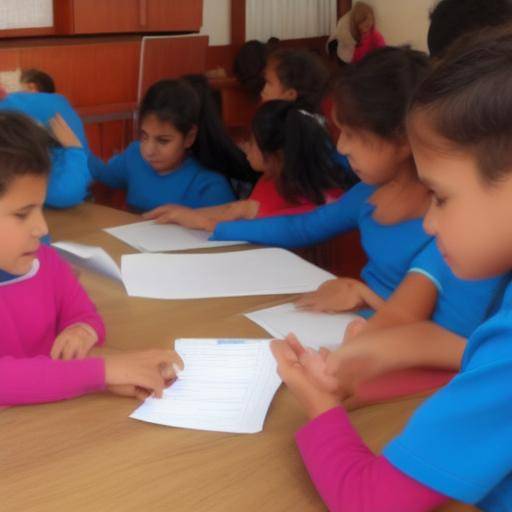
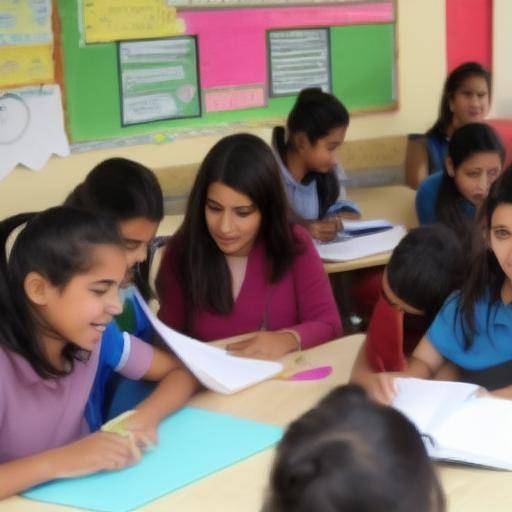
Promoting collaboration among students in research projects promotes communication skills, teamwork and critical thinking. Students can learn to exchange ideas, challenge assumptions and evaluate evidence collectively.
Continuous Learning and Adoption of Best Practices
Teaching research skills at school should be a continuous process that adapts to advances in research methodology and technology. Teachers must participate in professional development programs to stay up to date with best practices in teaching research skills.
Conclusion
Teaching research skills at school is critical to preparing students to face the challenges and opportunities of the modern world. By integrating effective strategies and promoting a mentality of continuous learning, schools can cultivate a generation of critical thinkers and skilled researchers that will contribute significantly to society.
FAQs
1. Why are school research skills important?
Research skills are fundamental, as they encourage critical thinking, informed decision-making and deep understanding of the topics studied.
2. How can teachers foster the development of classroom research skills?
Teachers can foster the development of research skills by integrating research projects into the curriculum and fostering collaboration among students.
3. What is the role of technology in teaching research skills?
Technology provides access to a wide range of information sources and analysis tools, which is essential for teaching research skills. Teachers can use technology to teach to evaluate the credibility of online sources and to perform data analysis.
4. How can students apply research skills in everyday life?
Research skills are applicable in everyday life by making informed decisions, evaluating media information and solving problems effectively.
5. What kind of resources are necessary to teach research skills at school?
Resource requirements include access to libraries, online databases, data analysis tools and teacher training in research methodologies.
6. How can parents support the development of research skills in their children?
Parents can support the development of research skills by fostering curiosity, the active quest for answers to questions and the evaluation of research as an integral part of learning.
In short, the development of research skills at school is essential for the integral development of students. By fostering an interdisciplinary approach, the use of technology, collaboration between students and adequate teacher training, schools can prepare students to face the challenges of the changing world.
With these knowledge, students will be better equipped for academic success, informed decision-making and their active participation in society.