Introduction
Critical thinking is a fundamental skill in the modern era, where the ability to analyze, evaluate and resolve problems rationally and logically is highly valued. Teaching these skills is crucial for academic, professional and personal advancement. In this article, we will explore in detail how to effectively teach critical thinking skills, with a vision that encompasses your history, deep analysis, future trends, practical advice, industry applications and much more.
History and Background
Critical thinking skills have been fundamental in human evolution. From Greek philosophers to the Renaissance, critical thinking has been the basis of intellectual advancement. However, it has experienced greater relevance in the modern era, especially in the field of education and work. Great thinkers such as Socrates, Plato and Aristotle laid the foundations of critical thinking in Ancient Greece, emphasizing the logical argumentation and evaluation of ideas.
In the twentieth century, the importance of critical thinking was reflected in academia and industry, where the ability to logical reasoning and informed decision-making became fundamental pillars. At present, critical thinking continues to evolve, adapting to the demands of an increasingly complex and technologically advanced society.
Detailed Analysis
Critical thinking is not only a powerful cognitive tool, but also has a significant impact on problem solving and decision-making. Recent research shows that people with well-developed critical thinking skills tend to have better academic performance, as well as to be more efficient in the working environment. In addition, among the challenges faced by the teaching of critical thinking, the change of educational paradigm towards a more active and participatory pedagogy stands out.
A key point is the need to integrate and encourage critical thinking in all areas of the curriculum, which requires continuous teacher training and the provision of adequate resources.
Comprehensive review
The teaching of critical thinking skills has become imperative in the educational and working environment. Its implementation in problem solving, decision-making and innovation is essential for individual and collective progress. Understanding best practices and strategies to teach critical thinking skills is essential to train individuals capable of facing the challenges of today's society.
Comparative analysis
When we compare critical thinking skills with other educational approaches, such as creative thinking or lateral thinking, it is clear that everyone has their importance and role. While critical thinking focuses on the rigorous analysis and interpretation of information, creative thinking seeks to generate innovative ideas and original solutions. On the other hand, side thinking focuses on finding solutions to problems from unconventional perspectives.
Future Councils and Proposals for Action
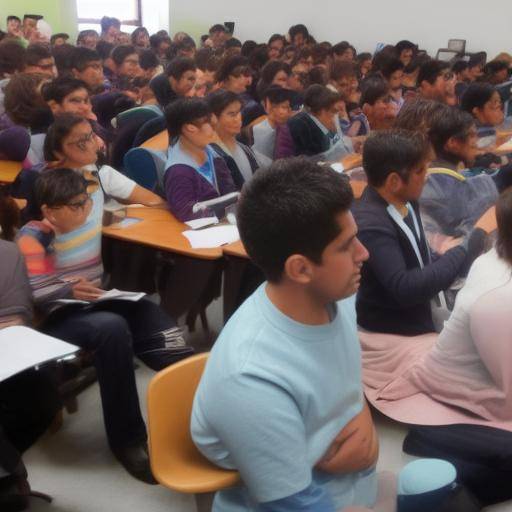
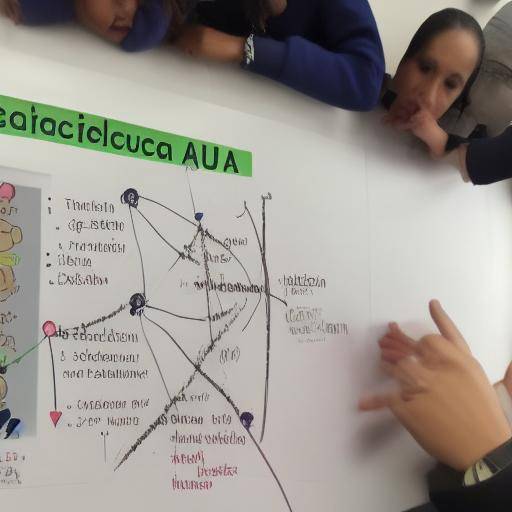
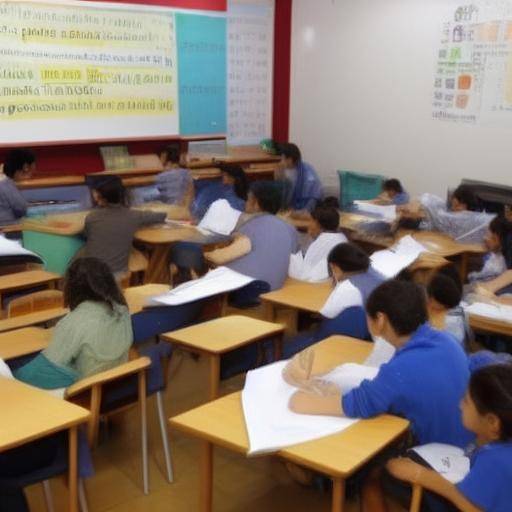
In teaching critical thinking skills, it is essential to foster reflection, argumentation and debate among students. The integration of activities that encourage problem solving, critical analysis of information and informed decision-making in the classroom is essential. Also, the use of technological tools can enhance the development of critical thinking skills, allowing access to a wide range of resources and perspectives.
Industry Perspectives and Expert Reviews
Consultations with educational experts and critical thinking highlight the importance of fostering a critical and reflective mentality in the teaching-learning process. Interaction and active collaboration between students and teachers provides an enabling environment for the development of critical thinking skills. In addition, the industry increasingly values professionals capable of analyzing complex situations, assessing information and making informed decisions.
Case Studies and Practical Applications
Case studies show how effective teaching of critical thinking can result in increased academic performance, increased problem solving capacity and more informed decision-making. For example, in business, critical thinking is essential to evaluating strategies, analysing data and anticipating trends. Practical applications of critical thinking cross all spheres of life, from personal decision-making to solving global problems.
Future Trends and Predictions
The future of critical thinking skills teaching aims to further integrate these skills at all levels of education, from primary education to vocational training. In addition, technology tools are expected to play a crucial role in developing critical thinking skills by facilitating access to diverse information, perspectives and resources. The development of critical thinking skills is also closely linked to the advancement of artificial intelligence and automation, as human skills of analysis and discernment will be more valued than ever.
Conclusion
Critical thinking is an essential skill that drives informed decision-making, solving complex problems and intellectual growth. Teaching critical thinking skills effectively is a constantly evolving challenge, but it is also a significant investment in the development of individuals trained to prosper in an increasingly complex and dynamic world.
FAQs
1. What are some strategies to encourage critical thinking in the classroom?
- Use group discussions and discussions to promote the exchange of ideas and informed argumentation.
- Planning complex problems that require critical analysis and creative solutions.
- Promote independent research and objective assessment of sources of information.
2. How can I develop my own critical thinking skills?
- Read and analyze articles or books on various topics.
- Informal discussions with friends or colleagues on current issues.
- Solve problems of logic or puzzles to exercise dedutive reasoning.
3. What is the importance of critical thinking in the workplace?
- It helps employees make informed decisions.
- Facilitates the resolution of complex problems.
- It promotes innovation and creativity in the company.
4. Does the development of critical thinking skills differ between different academic disciplines?
- Each academic discipline may require specific approaches to developing critical thinking skills.
- For example, social sciences can focus on data interpretation and research assessment, while engineering disciplines can focus on solving practical problems.
5. How can parents foster critical thinking in their children?
- Encourage your children to question and reflect on various situations in their daily lives.
- Support the development of problem-solving skills, rather than providing direct responses to the challenges they face.
6. What is the role of technology in the development of critical thinking?
- Technology provides access to a wide range of resources and perspectives, allowing students to develop critical research and analysis skills.
- Digital tools can also be used to promote problem solving and data-based decision-making.
In seeking to foster critical thinking, it is essential to recognize its importance in all aspects of life and to seek opportunities to promote its development effectively and sustainably.
In conclusion, teaching critical thinking skills is a task that requires a multidisciplinary approach, where the integration of various methods, tools and pedagogical approaches is key to their success. Critical thinking is not only a cognitive ability, but also a fundamental pillar for informed decision-making, innovation and personal and professional development. By understanding and fostering the development of critical thinking skills, we are making the way for more reflective, creative and capable individuals to face the challenges of the present and future world.
With this, we hope that this article has provided a comprehensive insight into the teaching of critical thinking skills, as well as practical advice, industry perspectives and practical applications that inspire educators, students and professionals to strengthen and implement these vital skills.
Thank you for accompanying us on this journey to a more critical and reflective thought!