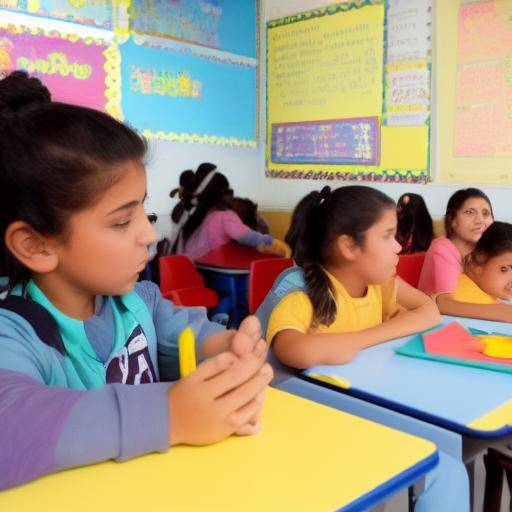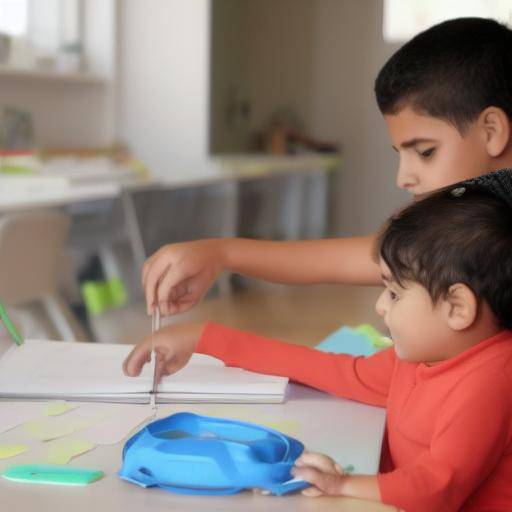
Emotional support at school is crucial for the integral well-being of students. In the school environment, students face emotional challenges that require effective strategies to provide the necessary support. In this article, we will explore the best strategies to provide emotional support in school, its importance, its impact on the academic and personal development of students, as well as practical advice and real examples. Let us discover together how to create a school environment that promotes emotional health and student success.
Importance of Emotional Support at School
Emotional support at school is essential for the integral development of students. Students with an emotionally safe and enriching environment demonstrate better academic performance, healthier interpersonal relationships and greater resistance to challenges. Attention to emotional health at school not only strengthens the individual well-being of students, but also contributes to the creation of more compassionate and empathic school communities.
Emotional Support History and Evolution at School
Emotional support at school has evolved significantly over time. From traditional approaches focused on academic performance to more holistic approaches that recognize the importance of emotional well-being, the history of emotional support at school reflects a paradigm shift in education. Over the decades, various influential figures, research and studies have influenced the understanding and implementation of emotional support in school settings.
Challenges and Benefits of Emotional Support at School
Emotional support at school presents challenges ranging from early identification of emotional needs to effective implementation of support strategies. However, benefits far exceed these challenges. Studies have shown that students receiving adequate emotional support at school show greater self-esteem, an improvement in their coping skills and a decrease in stress, which has a positive impact on their academic performance and overall well-being.
Effective Emotional Support Strategies at the School
Promotion of Emotional Intelligence
Promoting emotional intelligence among students is fundamental to their emotional development. The teaching of emotional abilities, the awareness of one's emotions and empathy towards others are key aspects in promoting emotional intelligence.
Implementation of Conflict Resolution Programs
Conflict resolution is a vital skill in students' daily lives. Programs that teach strategies to manage conflicts constructively help create a harmonious and safe school environment.
Offer Individual Support
Each student has unique emotional needs. Providing individualized support, whether through counseling, mentoring or specific resources, provides students with the necessary attention to addressing their emotional challenges.
Create a Support and Acceptance Environment
Promoting a school environment that promotes acceptance, diversity and mutual support is essential for the emotional well-being of students. Inclusion, respect and empathy form the basis of this positive environment.
Involve Parents and Families
Collaboration between school, parents and the community is critical to providing emotional support. Establishing an open and collaborative communication with parents and family members can strengthen the emotional support provided to students.
Promoting full care and self-care
Teaching students full and self-care practices can help them manage stress, regulate their emotions and improve their overall well-being.
Conclusion
Emotional support at school is a pillar for the integral development of students. By implementing effective emotional support strategies, educational institutions not only promote the well-being of students, but also lay the foundation for a more positive, inclusive and successful learning environment.
Frequently asked questions
Why is emotional support important in school?
Emotional support at school is crucial because it contributes to the integral well-being of students, improves their academic performance and strengthens their coping skills.
How can I promote an emotional support environment in my school?
Promoting emotional intelligence, implementing conflict resolution programs, providing individualized support and promoting acceptance and inclusion are effective ways to promote an environment of emotional support at school.
What role do parents play in school emotional support?
Parents play a crucial role in school emotional support by working closely with school, participating in emotional well-being activities and providing continued support to their children.
What are the long-term benefits of emotional support at school?
Emotional support at school can have long-term benefits, such as the development of sound emotional skills, healthy interpersonal relationships and greater resilience to life challenges.
Are there effective emotional support programs at school?
Yes, there are numerous effective emotional support programs at school, ranging from teaching emotional skills to implementing counseling services and specific resources for students.
How can educators improve their ability to provide emotional support at school?
Educators can improve their ability to provide emotional support at school by participating in professional development programs focused on emotional intelligence, conflict resolution and counseling.
Summary
Emotional support at school is an essential component for the well-being and success of students. By implementing specific strategies, promoting an environment of acceptance and collaboration, and working closely with parents and the community, schools can create enabling environments for the growth and emotional development of their students. With a proactive approach to emotional support, educational institutions can significantly improve learning experience and contribute to the flourishing of future generations.