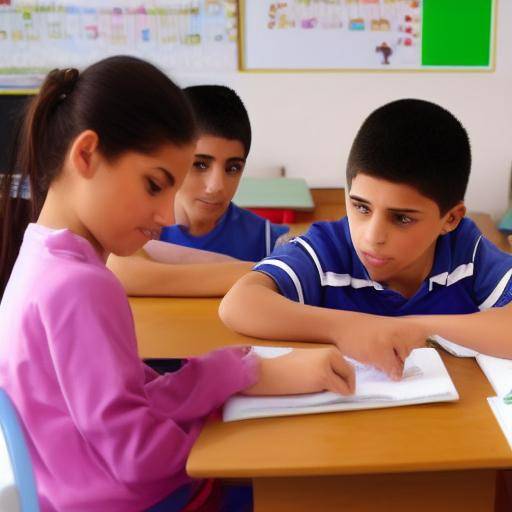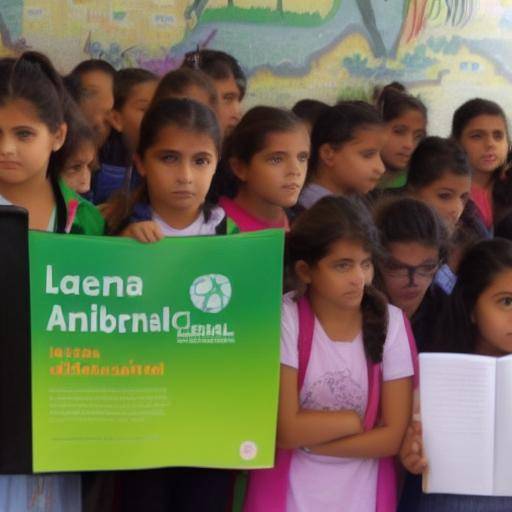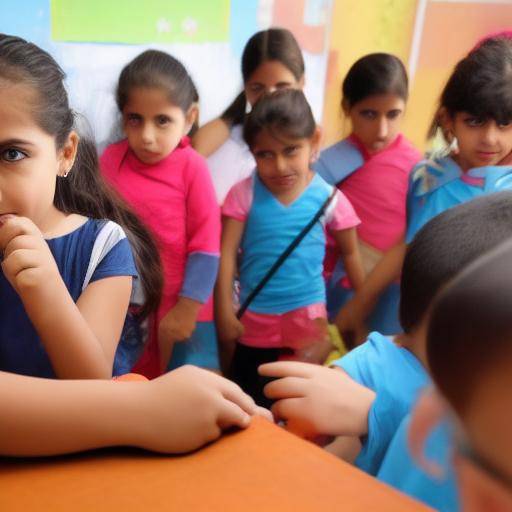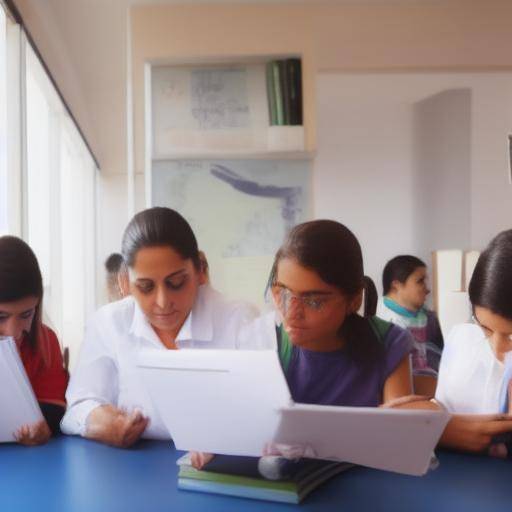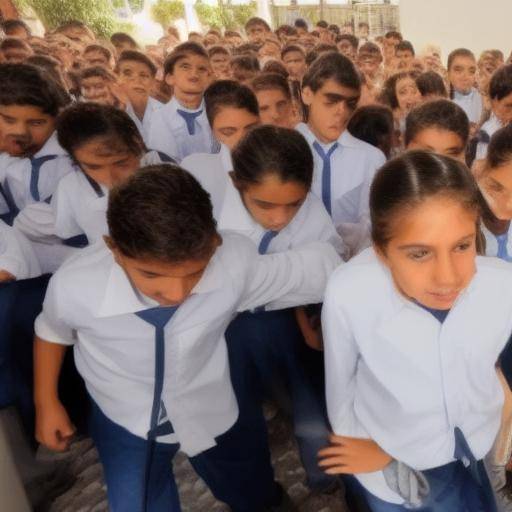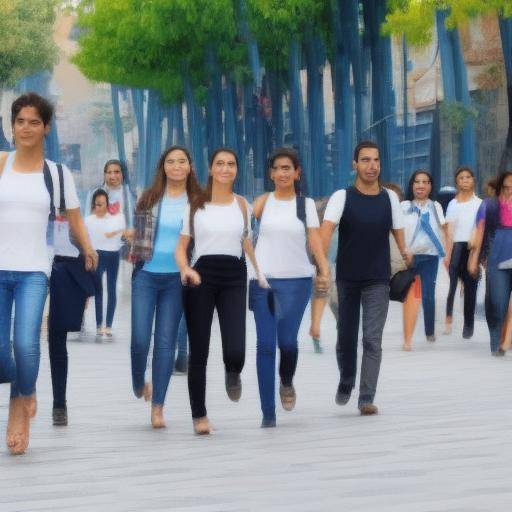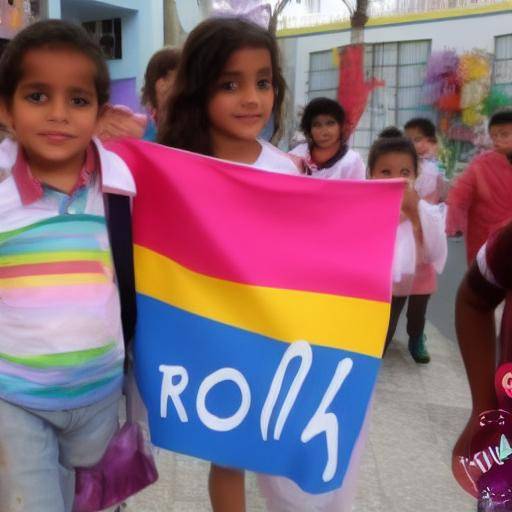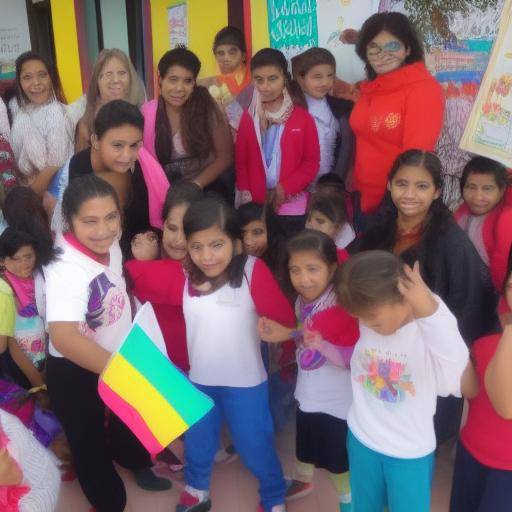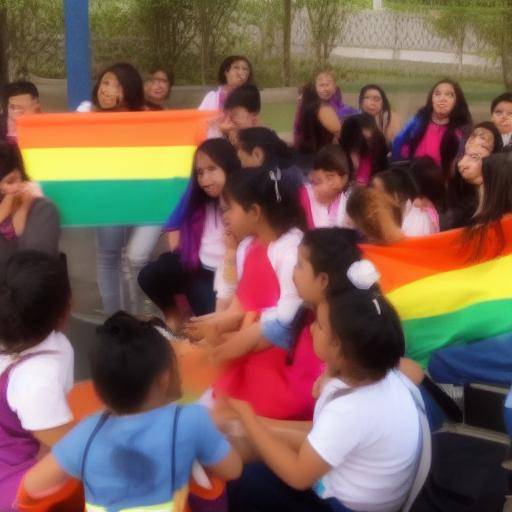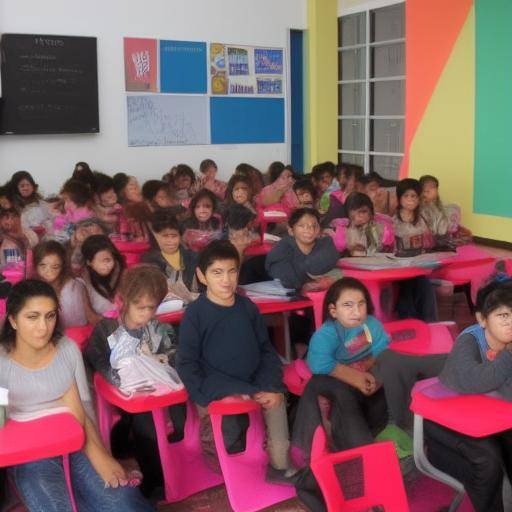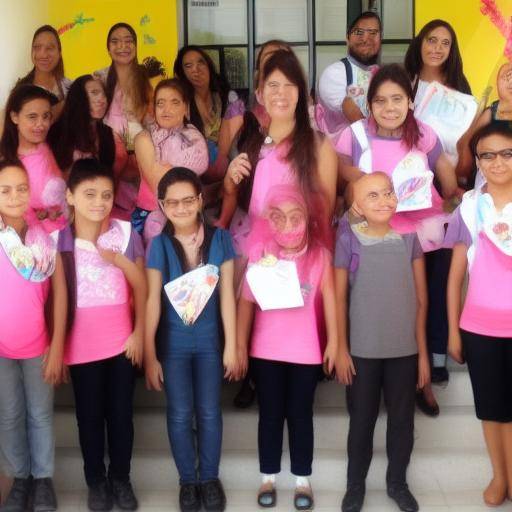
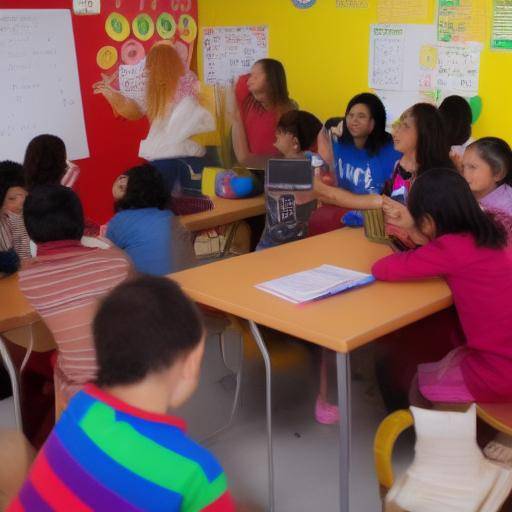
Education on the importance of cultural diversity is fundamental in the training of students. In an increasingly globalized world, the understanding and valuation of cultural differences are essential for promoting equality, empathy and respect among people. In this article, we will explore how to effectively educate on the importance of cultural diversity in the school context, as well as the associated benefits and challenges. In addition, we will provide practical advice and in-depth analysis to address this crucial issue in education.
Introduction
Cultural diversity refers to the multiplicity of cultures, traditions, and customs that exist in the world. In the field of education, it is essential that students understand and respect this diversity, as it will enable them to interact effectively in multicultural societies. Education on cultural diversity not only promotes inclusion, but also enriches learning and fosters the development of intercultural skills. Throughout this article, we will explore how educators can address this issue in a comprehensive and effective way in the school environment.
History and Background
The importance of cultural diversity in education is not a recent phenomenon. For centuries, diverse cultures have interacted, exchanged knowledge and enriched their societies through diversity. Throughout history, movements and leaders have emerged who have advocated for the valuation and preservation of cultural diversity, recognizing their impact on building inclusive and equitable societies.
Within the educational context, the integration of cultural diversity has experienced different stages, from simple exposure to diverse cultures to the implementation of specific educational programmes. During the 20th century, significant progress was made in the inclusion of cultural diversity in school curricula, leading to greater awareness and sensitivity towards this issue.
Analysis in Deep
Education on cultural diversity at school entails various benefits and challenges. On the one hand, it allows students to develop intercultural skills, such as empathy, effective communication and resolution of intercultural conflicts. It also promotes the elimination of prejudice and stereotypes, promoting equality and mutual respect.
However, there are also challenges. The effective implementation of educational programmes focused on cultural diversity requires a comprehensive approach and adequate training for educators. In addition, resistance to the incorporation of issues related to cultural diversity by some sectors of society can be an obstacle to overcome.
Comprehensive review
The implementation of effective educational strategies to promote the importance of cultural diversity at school is critical. The incorporation of inclusive pedagogical practices, the use of diverse educational materials and the promotion of intercultural projects are some of the strategies that can contribute to the promotion of cultural diversity in the school environment.
In addition, it is crucial to train teachers in educational strategies that promote understanding and appreciation of cultural diversity. Continuous training and the development of educational resources specifically designed to address cultural diversity are key elements in this educational process.
Comparative analysis
By comparing education on the importance of cultural diversity with other educational approaches, it is clear that their integration into the school curriculum not only enriches the learning process, but also prepares students to interact significantly in an increasingly diverse world. Cultural diversity is not only a subject of relevance in itself, but also has the potential to enrich learning in other areas of knowledge.
Practical Tips and Actions
To effectively educate on the importance of cultural diversity in school, it is essential to promote empathy and respect among students. Some practical strategies include organizing intercultural activities, including literature and educational resources from various cultures, and promoting the active participation of students in projects that celebrate cultural diversity.
Industry Perspectives and Expert Reviews
Several educational experts have emphasized the importance of integrating cultural diversity into the curricula. According to their views, this integration is essential to preparing students to engage in increasingly diverse working and social environments. In addition, experts note that education on cultural diversity can contribute significantly to the reduction of intercultural conflicts and the promotion of more inclusive societies.
Case Studies and Practical Applications
The implementation of educational programmes focused on cultural diversity has demonstrated positive results in different contexts. Case studies in various schools have shown greater participation and understanding of students in intercultural settings, as well as a reduction in rates of discrimination and marginalization.
Future Trends and Predictions
In the future, education on the importance of cultural diversity at school is expected to continue to gain relevance. With the growing global interconnection, the ability to understand and value cultural diversity will become a fundamental skill for success in the personal, professional and social spheres. Educational programmes are expected to increasingly integrate intercultural approaches and focus on the development of intercultural skills.
Conclusions
Education on the importance of cultural diversity at school is a fundamental pillar for the comprehensive training of students. Through effective pedagogical strategies, the promotion of empathy and mutual respect, and the integration of inclusive practices, educators can contribute significantly to building more just and inclusive societies. The assessment of cultural diversity not only enriches the educational process, but also prepares future generations to interact significantly in a multicultural world.
Frequently asked questions
Why is it important to educate about cultural diversity at school?
Education on cultural diversity at school is important because it promotes understanding, respect and appreciation of cultural differences, which in turn contributes to the formation of globally conscious and empathic citizens.
What are the benefits of integrating cultural diversity into the school curriculum?
The integration of cultural diversity in the school curriculum allows students to develop intercultural skills, promotes the elimination of prejudices and stereotypes, and enriches the learning process by offering multiple perspectives.
What are the challenges associated with education on cultural diversity at school?
Some challenges include resistance to the integration of cultural diversity in school curricula, as well as the need to train educators in effective pedagogical strategies to address this issue.
How can educators promote the assessment of cultural diversity among students?
Educators can promote the assessment of cultural diversity among students through the organization of intercultural activities, the incorporation of diverse educational resources, and the promotion of the active participation of students in projects that celebrate cultural diversity.
What is the long-term impact of education on cultural diversity at school?
In the long term, education on cultural diversity at school can contribute to the reduction of intercultural conflicts, the promotion of more inclusive societies, and the development of globally conscious and empathic citizens.
What are future trends in integrating cultural diversity into education?
In the future, education programmes are expected to increasingly integrate intercultural approaches and focus on the development of intercultural skills, preparing students to effectively interact in a diverse and globalized world.
In short, education on the importance of cultural diversity at school is critical to promoting understanding, respect and appreciation of cultural differences. Through effective pedagogical strategies, the integration of inclusive practices and the promotion of empathy, educators can contribute to the formation of globally conscious and empathetic citizens. The assessment of cultural diversity not only enriches the educational process, but also prepares future generations to interact significantly in a multicultural world.
Concluding, education on cultural diversity at school is a fundamental pillar for the comprehensive training of students, providing short- and long-term benefits at both individual and social levels.
We hope that this article has been useful and has provided a clear vision of the importance of cultural diversity in education.
External resources:
- UNESCO on Education for Cultural Diversity
- Convention on the Protection and Promotion of the Diversity of Cultural Expressions
- UN Report on the Importance of Cultural Diversity in Education
With this, we close the article on education on the importance of cultural diversity at school. If you have more questions or wish to continue exploring this topic, we invite you to explore our website or contact us. Thank you for your reading and participation in this important conversation!