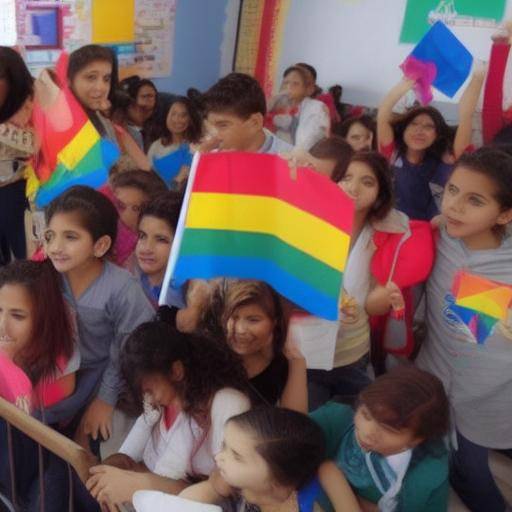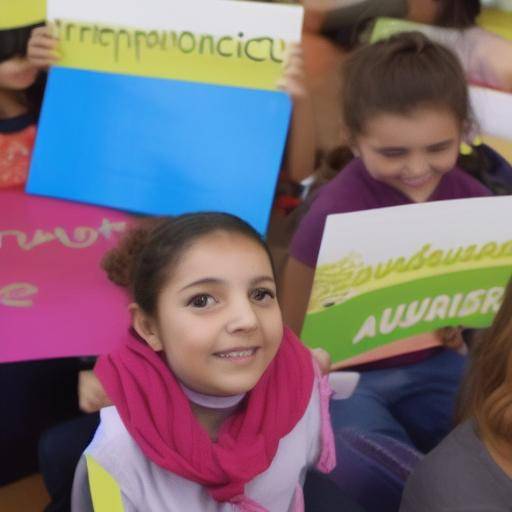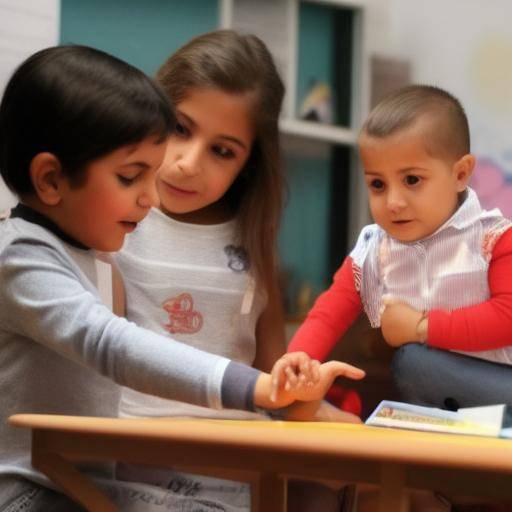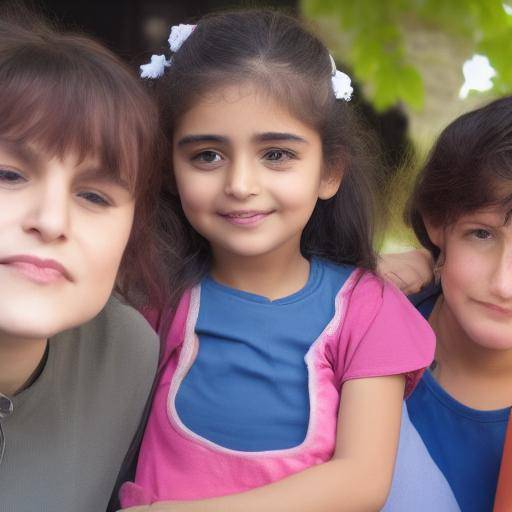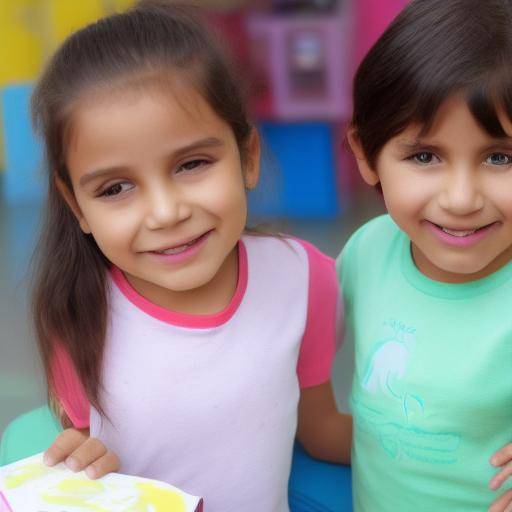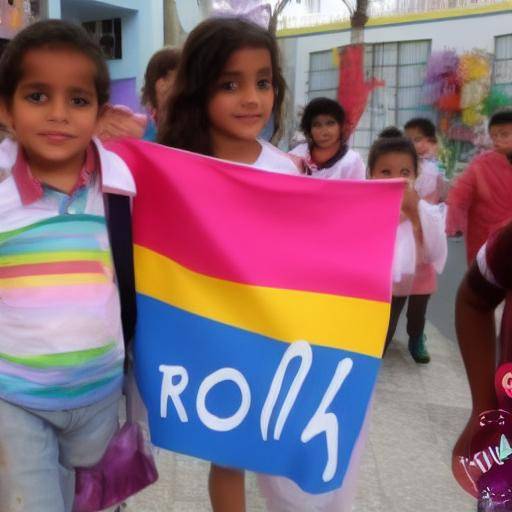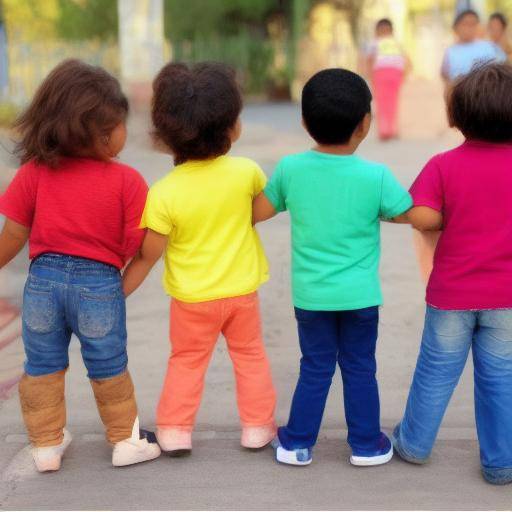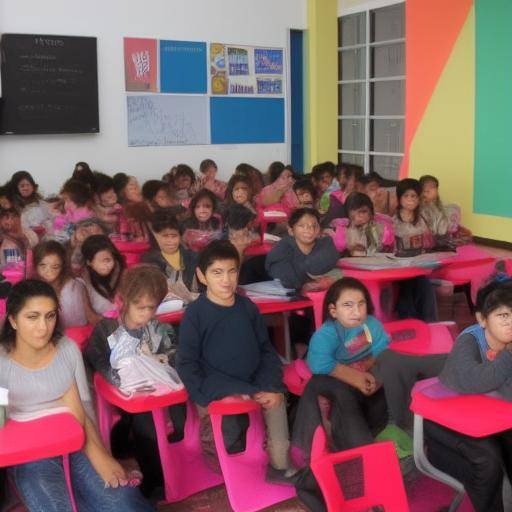
Cultural diversity is a fundamental aspect in the current educational environment. Multiculturality in classrooms offers a unique opportunity to promote respect, empathy and understanding among students. Thus, it is of the utmost importance to have resources to assist in the assessment of cultural differences and promote inclusion. In this article, we will explore various resources and strategies to promote cultural diversity in the classroom, with the aim of enriching the educational experience and forming conscious and respectful global citizens.
Introduction
The classroom is presented as an ideal space for cultivating a deep understanding of cultural diversity and promoting respect for different traditions, customs and perspectives. By integrating effective resources to promote cultural diversity, educators can strengthen the identity of students, promote tolerance and celebrate the richness of cultural plurality.
History and Background
The cultural wealth of our societies is a result of centuries of exchanges, influences and migrations. From ancient trade routes to contemporary migration, human history has been marked by cultural diversity. Migratory movements, cultural exchanges and colonization processes have left a profound mark on the formation of current societies, enriching them with a unique diversity.
Within the educational sphere, recognition of cultural diversity as an asset has evolved significantly. Historically, the educational approach used to be homogeneous, with little regard for multiculturalism. However, in recent decades, there has been a paradigm shift towards assessing the various cultural identities in the classroom.
Analysis in Deep
The promotion of cultural diversity in the classroom has a number of significant benefits. Studies have shown that culturally diverse educational environments promote critical thinking, creativity and problem solving. In addition, exposure to diverse cultures widens the perspective of students, fosters empathy and improves the ability to work collaboratively in multicultural environments. While these benefits are undeniable, they also face challenges in the process. Cultural shock, discrimination and linguistic barriers can be significant obstacles to full integration.
Comprehensive review
Various resources and strategies can be implemented to effectively promote cultural diversity in the classroom. The inclusion of literature and educational material from different cultural traditions, the use of intercultural activities and games, as well as the incorporation of celebrations and representative festivities of various cultures, are just some of the effective strategies. In addition, the implementation of inclusive pedagogical approaches that value and respect diversity, such as Project-Based Learning (ABP) and Cooperative Learning, are also key to creating an inclusive educational environment.
Conclusion " FAQs
In conclusion, the promotion of cultural diversity in the classroom is essential for preparing students to live in an increasingly globalized and diverse society. By integrating effective resources and strategies, educators can nurture a rich environment that celebrates cultural diversity. Promoting the assessment of cultural differences contributes to the formation of committed, respectful and empathic citizens, able to contribute positively to a multicultural world.
FAQs
1. Why is it important to promote cultural diversity in the classroom?
Promoting cultural diversity in the classroom is crucial to promoting respect, empathy and understanding among students. It also contributes to creating enriching educational environments and prepares students to live in diversified societies.
2. What are some effective strategies to promote cultural diversity in the classroom?
The integration of diverse literature and educational material, the inclusion of intercultural activities and the holding of representative festivities of various cultures are effective strategies to promote cultural diversity in the classroom.
3. What are the benefits of promoting cultural diversity in the educational environment?
Promoting cultural diversity in the educational environment promotes critical thinking, creativity, empathy and the ability to work in multicultural environments. In addition, it enriches the perspective of students and prepares future global citizens.
4. What are some challenges in promoting cultural diversity in the classroom?
Some challenges include cultural shock, discrimination and linguistic barriers, which can hinder full integration and understanding among students from different cultures.
5. What role do educational resources play in promoting cultural diversity?
Educational resources play a key role in providing students with the opportunity to explore and understand different cultures, traditions, and customs, thus fostering greater respect and understanding of cultural diversity.
6. How can educators effectively address cultural differences in the classroom?
Educators can effectively address cultural differences by engaging with diversity, being sensitive to diverse perspectives and creating an inclusive environment that values and respects cultural diversity.
In understanding the importance of promoting cultural diversity in the classroom and having appropriate tools and strategies, educators can forge enriching educational environments that nurture intercultural understanding and prepare students for a diverse and globalized world. The commitment to cultural diversity in the field of education is essential for both academic development and personal growth of students.