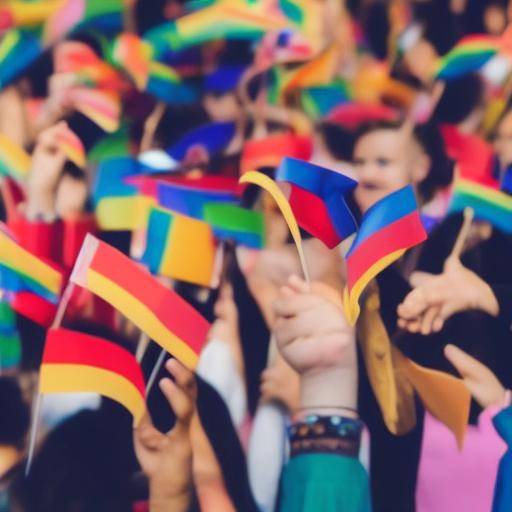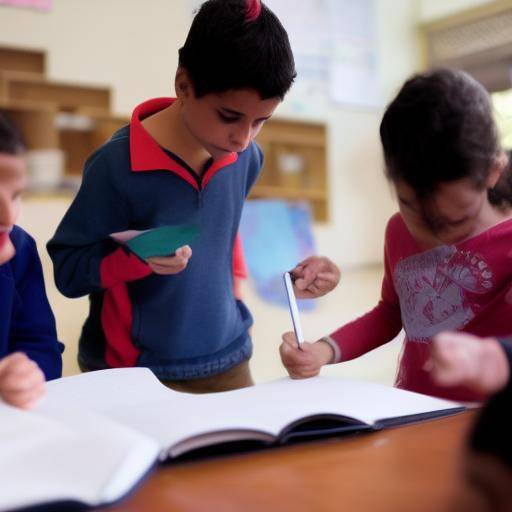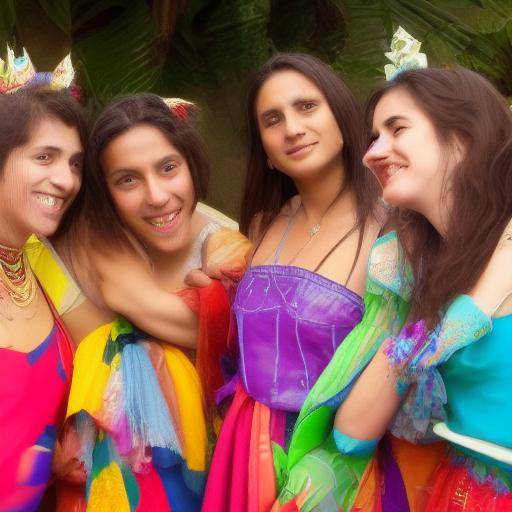
In the context of current globalization, it is vital to understand and value the cultural diversity that surrounds us. Learning about the diverse cultures of the world allows us to broaden our vision of the planet, promote respect for diversity and establish connections with people from different places. To facilitate this process, it is essential to have quality resources that provide us with accurate and enriching information. In this article, we will explore various sources to learn about world cultures, from books and documentaries to online courses and interactive tools.
Importance of Learning on World Cultures
Cultural diversity is a fundamental pillar of human society. Each culture offers a unique perspective of the world, with its own traditions, customs, beliefs and artistic expressions. By understanding these differences, we open doors to empathy, understanding and collaboration at the global level. Learning about world cultures not only enriches us intellectually, but also contributes to building a more inclusive and respectful world.
Resources for Learning
Books and Documentaries
Books and documentaries offer a deep dive into the culture of different countries and societies. Literary works like "Cien años de solitude" by Gabriel García Márquez or "El Aleph" by Jorge Luis Borges transport us to Latin American literary wealth, while documentaries like "Baraka" show us cultural diversity through shocking images.
Online courses
Educational platforms such as Coursera, edX and Udemy offer a wide variety of courses on culture, anthropology and international studies. From "Introduction to Cultural Anthropology" to "History of World Art", these courses offer an academic and structured approach to learning about world cultures.
Museums and Exhibitions
Visiting local or international museums and exhibitions is an enriching experience to learn about cultures around the world. From the British Museum in London to the Louvre in Paris, the cultural wealth that houses these spaces is invaluable.
Interactive applications
Applications like "Drops" and "Babbel" offer interactive lessons to learn languages and discover cultural aspects of different regions. These gamified tools make learning fun and accessible.
Travel and Responsible Tourism
Traveling is one of the most striking ways to learn about world cultures. Participating in responsible tourism allows us to connect with local communities, learn about their customs and contribute to the sustainable development of their regions.
Blog and Social Media
The specialized blogs and profiles on social networks of travelers, anthropologists and experts in multiculturalism offer personal perspectives and enriching stories about direct contact with different cultures.
Music and performing arts
To attend concerts, music festivals and theatrical performances of different cultures immerses us in authentic artistic expressions and connects us with the emotions and visions of the world of other peoples.
Why is it important to learn about cultures of the world?
Understanding the importance of learning about world cultures helps us to foster respect, tolerance and understanding among people. By knowing and assessing the different forms of life of others, we contribute to building more inclusive and harmonious societies.
Conclusion
In short, the resources to learn about world cultures are varied and accessible. From books and documentaries to interactive applications and travels, there are countless ways to enrich our knowledge and understanding of the diverse cultures that make up our planet. Taking advantage of these resources, we not only broaden our horizons, but also contribute to a more diverse, inclusive and respectful world.