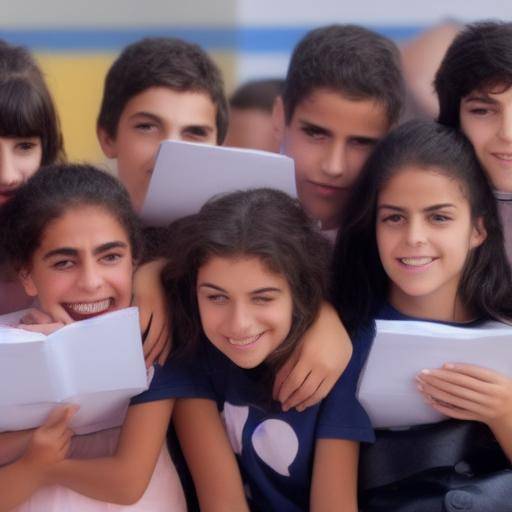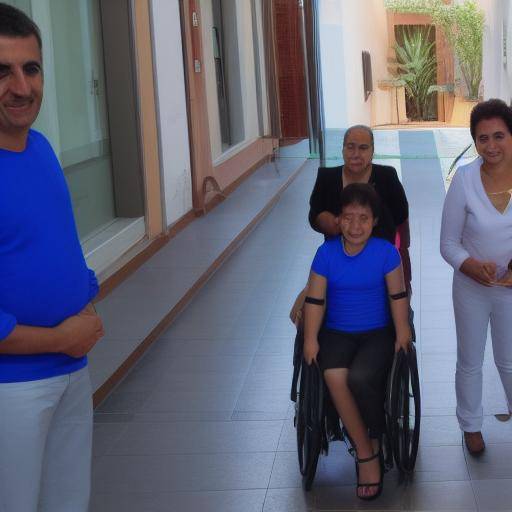
Cultural diversity is a fundamental aspect of our lives, and it is crucial to educate about it in the family. In an increasingly interconnected world, it is essential to understand and appreciate cultural differences to foster acceptance and mutual respect. In this article, we will explore the resources available to educate about cultural diversity in the family, as well as effective strategies to address this important issue. We will also discuss how these resources can positively influence the development of children and strengthen family ties. Join us on this journey of discovery and learning!
The Importance of Educating on Cultural Diversity in the Family
Education on cultural diversity in the family not only enriches the lives of household members, but also contributes to the creation of more inclusive and equitable societies. In fostering understanding of different traditions, values and beliefs, tolerance is promoted and discrimination is prevented. Moreover, by cultivating the awareness of diversity from an early age, the foundations for peaceful and enriching coexistence in a globalized world are strengthened.
Resources for Educating Cultural Diversity
Child Books and Literature: The books that celebrate cultural diversity and present characters from different backgrounds are an excellent way to introduce children into the richness of different cultures. Titles like "The Day of the Dead" by Linda Lowery and "Tío Nacho" by Carlos E. Calvo are examples of literature that can open doors to intercultural understanding.
Educational Films and Documentaries: The screening of films and documentaries highlighting the different traditions and customs of different cultures can broaden the perspective of family members. "Coco" by Disney and "Pachamama" by Juan Antín are excellent options for enjoying family and learning about Mexican and Andean culture, respectively.
Educational activities: There are table games, puzzles and interactive activities that present cultural aspects in a fun and educational way. These resources encourage the active participation of children and facilitate meaningful learning. For example, the "Lotography" game is an exciting way to discover and recognize representative elements of different cultures.
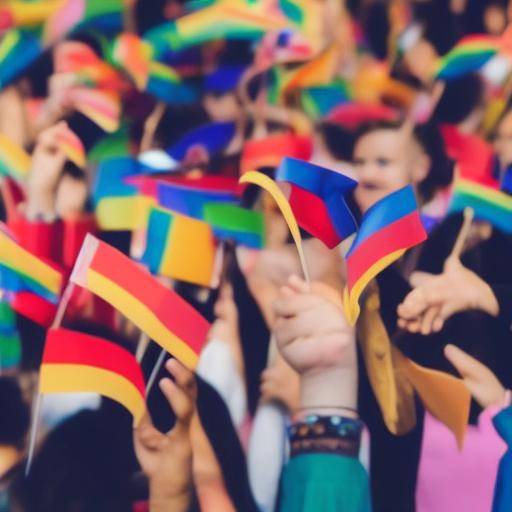
Celebrations and holidays: Participating in celebrations and celebrations of different cultures allows children to experience first-hand the traditions and practices of other ethnic groups. From attending Chinese New Year celebrations to participating in the Diwali festival in the local community, these enriching experiences contribute to the understanding and appreciation of cultural diversity.
Online Resources and Educational Applications: In the digital era, there are numerous platforms and applications designed to educate about cultural diversity interactively. Applications such as "Little Pim" offer language and culture lessons for children, while websites such as National Geographic Kids provide educational content on different cultures through articles, videos and games.
History and Background of Education in Cultural Diversity
Education in cultural diversity is rooted in the need to promote equality, justice and respect in societies marked by ethnic, linguistic and cultural diversity. Throughout history, different movements and approaches have contributed to the evolution of intercultural education.
Origins and Historical Development
The determination to promote cultural diversity in education goes back to civil rights movements and the struggle for equal opportunities. During the 20th century, various milestones, such as the breakdown of schools and the promotion of diversity in the curriculum, marked significant progress in the inclusion and recognition of cultural diversity.
The creation of bilingual education programs and the implementation of policies to encourage the inclusion of students from different cultures represent important steps in the recognition of diversity as an asset in learning.
Deep Analysis of Benefits and Challenges
Education in cultural diversity offers a wide range of benefits, including the development of empathy, the promotion of critical thinking and the preparation of individuals to participate in multicultural societies. However, it also presents challenges, such as the management of entrenched prejudices and stereotypes, as well as the effective integration of cultural differences in educational settings.
Benefits of Education in Cultural Diversity
- Promotion of empathy: Exposure to different cultures and experiences increases the ability to understand and empathy towards others, fostering a sense of universality and human connection.
- Stimulus of Critical Thought: The encounter with diverse perspectives and values challenges individuals to question their own beliefs and develop skills for solving complex problems.
- Preparation for a Globalized World: Education in cultural diversity provides individuals with the skills necessary to participate actively and successfully in diverse global environments, both at the personal and professional levels.
Challenges and Considerations
- Prejudice and stereotype management: Overcoming entrenched prejudices and confronting cultural stereotypes represent significant challenges on the road to a genuine and respectful understanding of diversity.
- Effective Integration of Cultural Approaches: Successful implementation of intercultural approaches in educational settings requires specific strategies and resources, as well as a continuing commitment to equity and inclusion.
Comprehensive Review of Applications and Best Practices
In cultural diversity education, the implementation of effective approaches and the identification of best practices are critical to ensuring significant results. Let us see how these practices translate into enriching experiences for the family.
Opinions of Experts and Future Perspectives
The perspective of experts on education and cultural diversity brings light on emerging trends and future implications. In an interview with Dr. Elena Pérez, a researcher specializing in cultural diversity and education, highlights the following considerations:
"Education in cultural diversity in the family environment is a crucial pillar for the development of children who are aware, critical and respectful of diversity. The educational resources that encourage exploration, dialogue and reflection are fundamental to creating global citizens committed to inclusiveness and equity."
Conclusions and FAQs
Conclusions
In conclusion, education on cultural diversity in the family is an essential component for the integral development of individuals and the construction of inclusive and equitable societies. Access to diverse educational resources and commitment to intercultural approaches in the family environment are critical to promoting understanding, respect and collaboration among different cultures.
Frequently asked questions
1. What is the importance of educating about cultural diversity in the family?
Education on cultural diversity in the family is crucial to fostering understanding, respect and inclusion of different ethnic and cultural groups, laying the foundation for peaceful and harmonious coexistence in diverse societies.
2. What are some effective resources to educate children about cultural diversity?
Children's books and literature, educational films, educational games, cultural celebrations and online resources are excellent tools to promote education in cultural diversity within the family.
3. What benefits does education offer in cultural diversity?
Education in cultural diversity promotes empathy, stimulates critical thinking and prepares individuals to participate in diverse global environments, contributing to integral development and inclusive coexistence.
4. What are the challenges associated with education in cultural diversity?
The management of deep-rooted prejudices and stereotypes, as well as the effective integration of cultural approaches into educational settings, represent significant challenges on the path to a genuine and respectful understanding of diversity.
5. What is the role of online resources and educational applications in cultural diversity education?
Online resources and educational applications offer an interactive and diverse platform for cultural diversity education, providing access to relevant content and meaningful learning experiences.
6. How can parents foster education in cultural diversity in the family?
Parents can foster education in cultural diversity through exposure to diverse educational resources, open dialogue on different cultures and active participation in cultural celebrations and festivities.
Throughout this journey, we have explored the importance of educating about cultural diversity in the family, as well as the resources, challenges, applications and future perspectives on this fundamental issue. By fostering understanding, respect and acceptance of cultural differences within the family, we contribute to the construction of a more equitable and harmonious society for future generations.