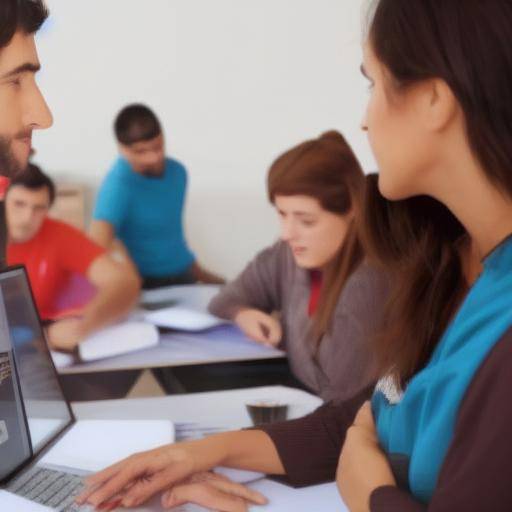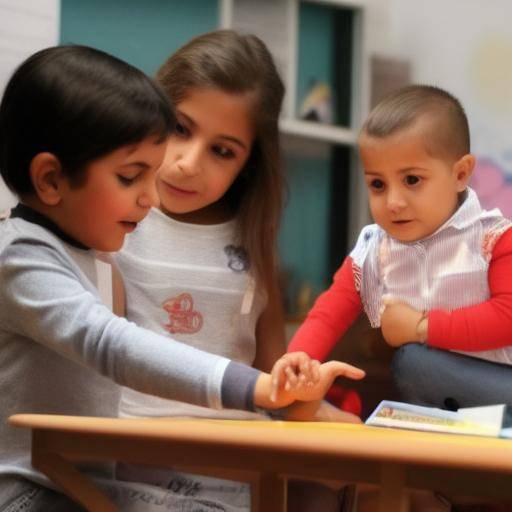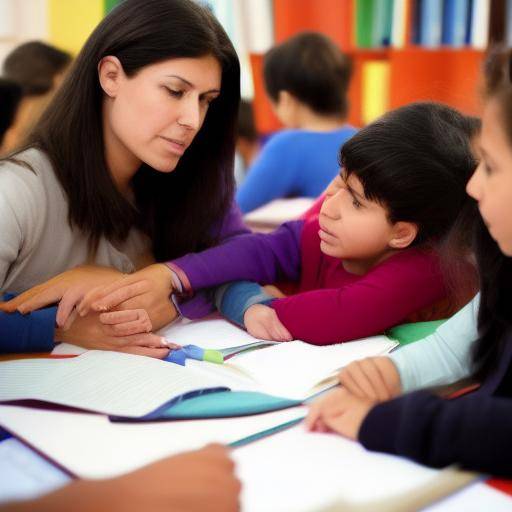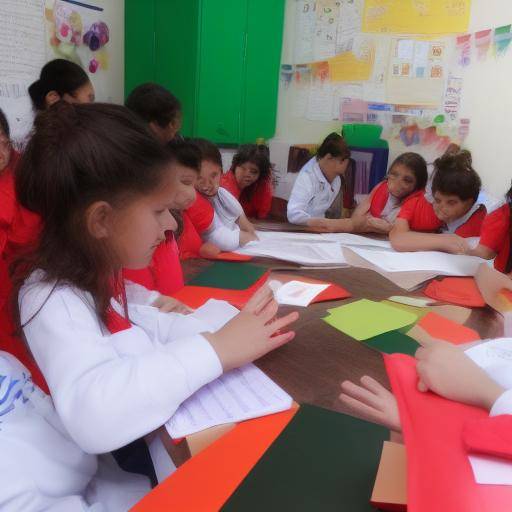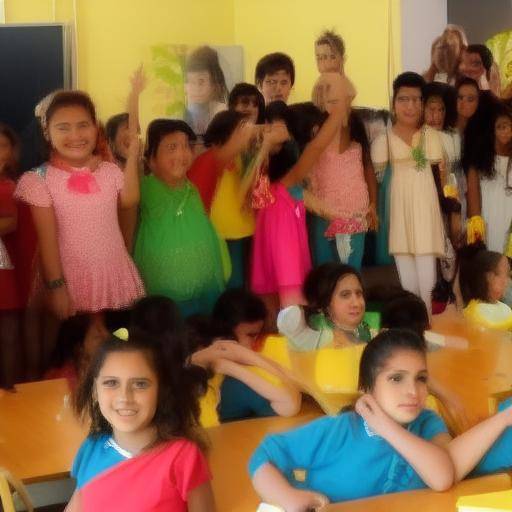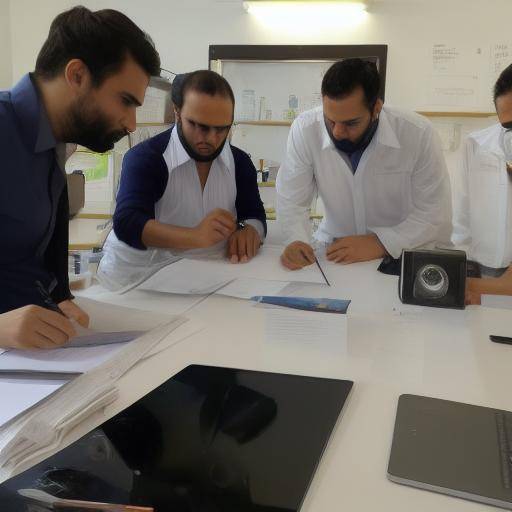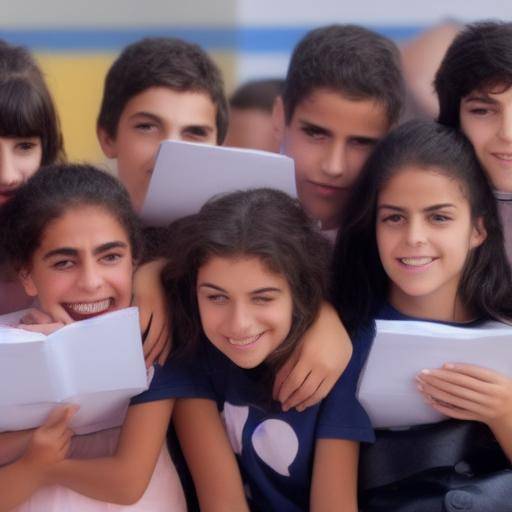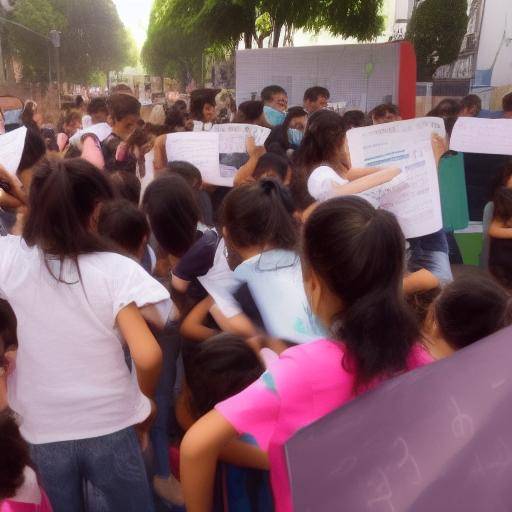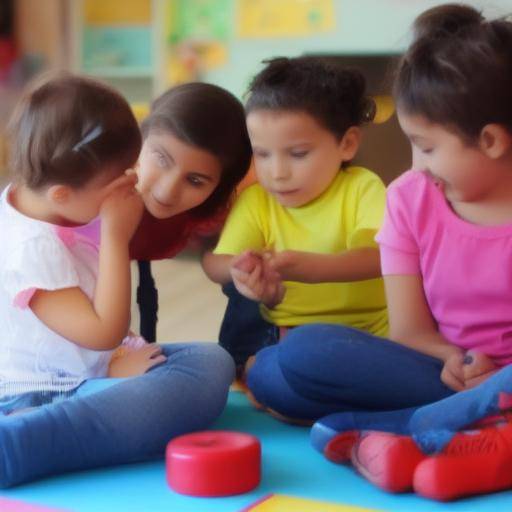

Teamwork is a crucial skill in academic and professional development. In the educational environment, implementing effective techniques to encourage teamwork can enhance students' learning, collaboration and success. In this article, we will explore resources that can be used to implement teamwork techniques in the classroom, as well as their importance and benefits. From the history and evolution of these techniques to practical advice and future predictions, this article will provide a comprehensive and updated vision. Let's go!
Introduction
Teamwork not only involves collaboration between individuals, but also the resulting synergy that drives the achievement of common goals. In the educational context, fostering teamwork skills from early ages prepares students to face real-world challenges and develop skills essential to personal and professional success.
This article will address, from an integral perspective, the implementation of teamwork techniques in the classroom, providing educators and students with the resources necessary to foster a collaborative and participatory environment.
History and Background
Teamwork techniques have deep historical roots that go back to ancient civilizations, where collaboration and division of labour were fundamental to survival and progress. Over the centuries, the practice of teamwork has evolved significantly, influenced by advances in psychology, pedagogy and the business world.
Origins and Early Development
The concept of teamwork has its origins in the first human societies, where hunting, gathering and collective construction were fundamental activities for survival and progress. The old tribes depended on collaboration and the equitable division of labour to ensure subsistence and mutual protection.
Evolution in the Modern Age
With the industrialization and emergence of more complex organizations, teamwork acquired a crucial importance in the labour sphere. Management entrepreneurs and theorists recognized the effectiveness of cohesive and well-coordinated teams to achieve shared goals. Since then, the study and implementation of teamwork techniques have experienced significant progress.
In the educational environment, the implementation of teamwork techniques has gained relevance with the understanding of the positive impact it produces on the learning and well-being of students.
Relaying and Key Figures
Throughout history, several milestones and key figures have contributed to the development of teamwork techniques. From Greek philosophy to contemporary theories of social psychology, the focus on collaboration and collective performance has been widely studied and applied in various fields.
Deep analysis
Benefits of Teamwork in the classroom
The implementation of teamwork techniques in the classroom has many benefits that have a positive impact on the academic and personal development of students. Some of the key benefits include:
- Development of social skills: Teamwork promotes effective communication, empathy and the ability to work with people of different personalities and cultural funds.
- Collaborative learning: By collaborating in teams, students have the opportunity to complement their individual skills, strengthen their knowledge and learn from each other.
- Development of leadership skills: When rotating roles within teams, students have the opportunity to develop leadership skills and learn to make consensus decisions.
- Increased motivation and commitment: Active participation in team activities can increase the motivation of students and strengthen their commitment to learning.
Challenges in Implementation
Despite the obvious benefits, the effective implementation of teamwork techniques can face certain challenges. It is crucial to address and overcome these challenges to maximize the positive results of teamwork in the classroom:
- Individual differences: Students can have different learning styles, skill levels and personalities that can affect the dynamics of the team.
- Coordination and time management: Effective collaboration requires good time management and adequate coordination among team members.
- Conflict resolution: Disputes and conflicts may arise within the teams, which requires solid skills for the peaceful resolution of conflicts.
- Uneven participation: Some students may show greater participation, while others may be reluctant to contribute fully to teamwork.
Comprehensive review
Applications and Best Practices
Effective implementation of teamwork techniques in the classroom requires the use of proven methods and approaches. Some practical applications and best practices include:
- Structured collaborative approaches: Use structured tools and techniques, such as joint resolution of problems or team research projects, to encourage teamwork.
- Equitable assessment: Design clear assessment criteria that recognize both individual effort and collective achievement.
- Promoting diversity: Create diverse teams that include a variety of cultural skills and backgrounds to foster mutual learning.
- Role-building: Rotate roles within teams, assigning equitable responsibilities and allowing each student to assume different functions.
Perspectives of Experts and Future
Educators and experts in educational psychology emphasize the importance of teamwork in the teaching-learning process. The future is developed with greater integration of technologies and collaborative tools to enrich the teamwork experience in the classroom. In addition, the incorporation of interdisciplinary approaches and the promotion of emotional intelligence are considered key aspects of enhancing teamwork among students.
Conclusions
The implementation of teamwork techniques in the classroom, supported by effective resources, is an invaluable tool for the integral development of students. By fostering a culture of collaboration, educators can prepare future generations to face challenges together, innovative and compassionate.
Frequently asked questions
How can I encourage equitable participation in teamwork in the classroom?
To promote equitable participation, it is important to establish rotating roles, design activities that require individual and collective contributions, and provide feedback that recognizes individual efforts within teams.
What technological resources can be used to facilitate teamwork in the classroom?
Collaborative tools such as online learning platforms, project management software and applications for collaborative content creation can be used to facilitate teamwork in the classroom.
What is the impact of teamwork on the development of students' soft skills?
Teamwork strengthens soft skills such as communication, problem solving, creativity and adaptability, which are essential for success in the working and social environment.
How to address the lack of motivation when working as a team?
Lack of motivation can be addressed by setting clear goals, connecting team activities with personal interests, and recognizing and celebrating collective and individual achievements.
What is the role of the teacher in promoting teamwork in the classroom?
The teacher plays a key role in establishing an environment of support and equity, providing constructive guidance and feedback, and modeling teamwork skills.
How to evaluate the performance of work teams in the classroom?
Evaluation may include criteria such as equitable contribution, quality of teamwork, cooperation and leadership skills demonstrated by students. It is important to clearly communicate the evaluation criteria and provide significant feedback that encourages individual and collective growth.
Additional resources
- Edutopia - Fostering Teamwork in the classroom
- Educational Innovation - Techniques for Implementing Teamwork
- UNESCO - Collaborative Learning and Teamwork
With these resources, educators can access additional information and practical tools to strengthen their teamwork approaches in the classroom.
Conclusion
The implementation of teamwork techniques in the classroom offers countless benefits for the academic and personal development of students. By using effective resources and tailored strategies, educators can cultivate an enriched environment of collaboration, leadership and mutual learning. The promotion of teamwork skills from an early age will prepare students to confront with confidence future challenges and contribute significantly to society.
Ultimately, the successful implementation of teamwork techniques in the classroom not only promotes academic performance, but also nurtures the development of solidarity, compassionate and capable citizens to face the challenges of the modern world.
With the proper application of teamwork resources and techniques, the classroom will become a dynamic environment where students will thrive, learn to collaborate effectively and prepare for a future full of joint achievements.
We foster the spirit of teamwork and build a promising future for generations to come!