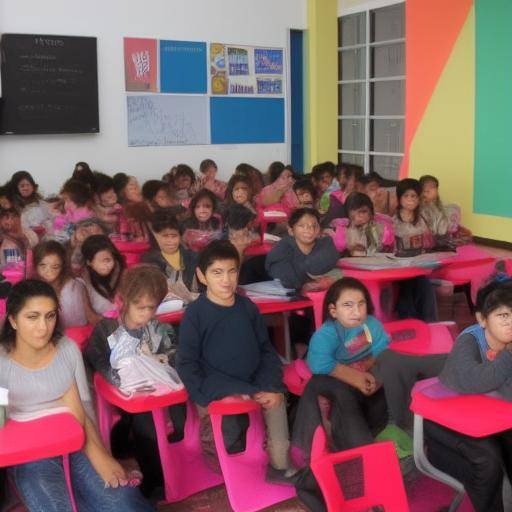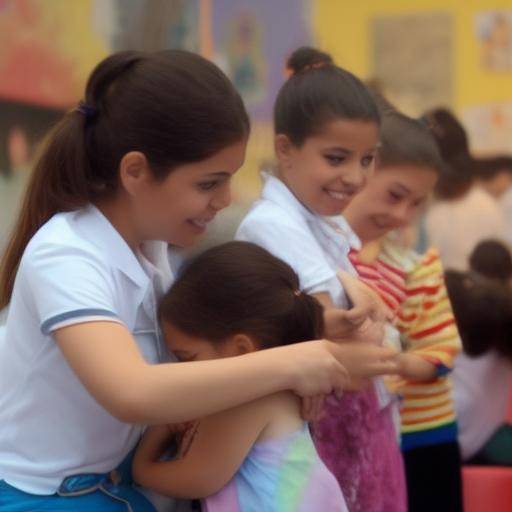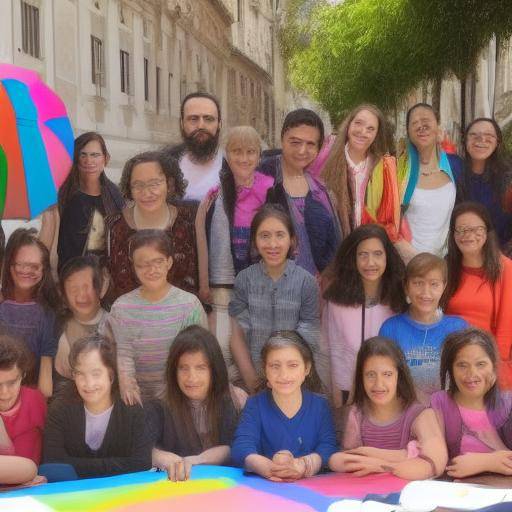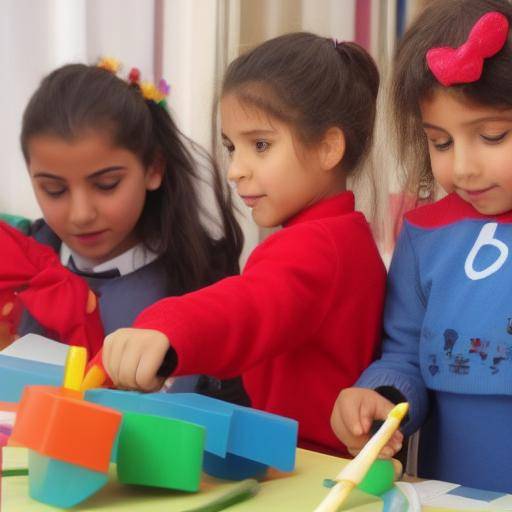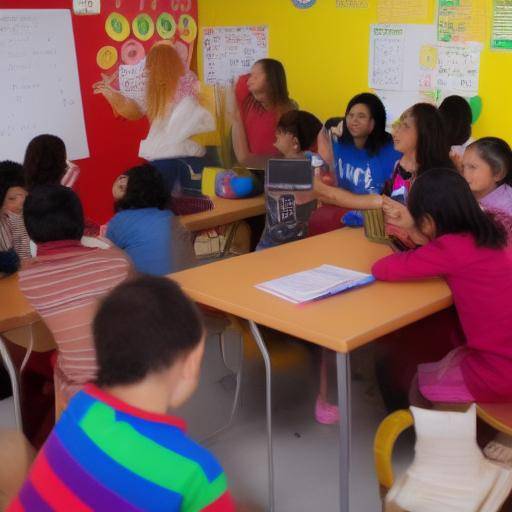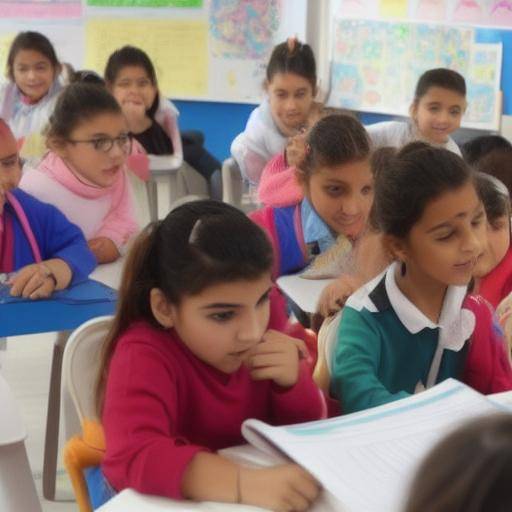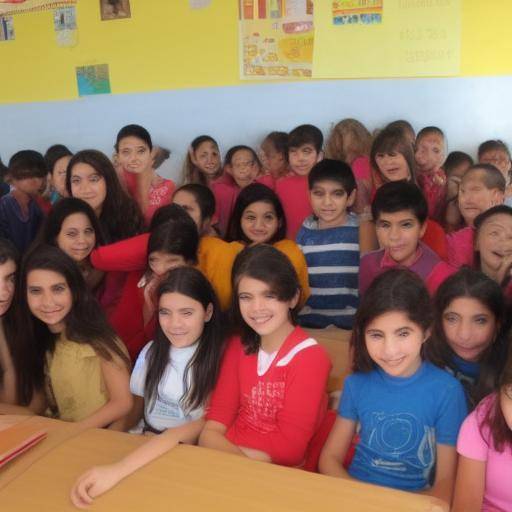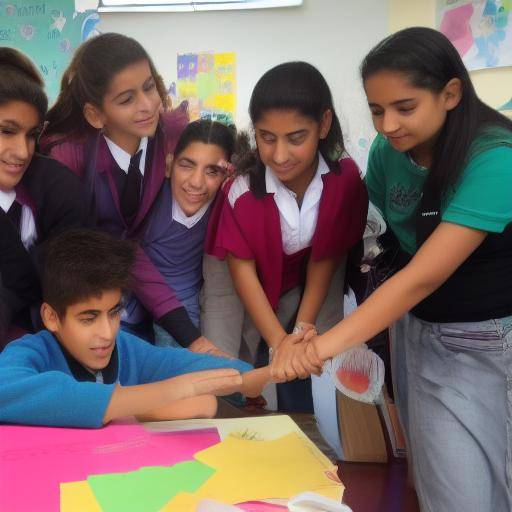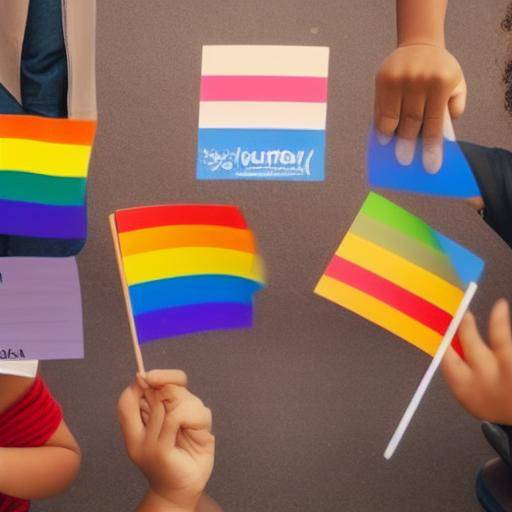
Cultural diversity in the classroom is a topic of great relevance in contemporary education. The growing presence of diverse cultures in the classrooms makes it essential to address this issue so as to promote inclusion, respect and understanding. We will then explore this exciting theme, providing historical information, in-depth analysis, practical advice, expert views, case studies and future predictions.
History and Background
The history of cultural diversity in the classroom is rich and complex. From the first educational systems to the present day, interaction between cultures has shaped the way diversity issues are addressed. The Brown v case. Board of Education in 1954 was a decisive milestone that challenged racial segregation in United States schools, laying the groundwork for more inclusive education. Globalization has brought with it greater cultural diversity in classrooms around the world, thus generating the need to address these issues effectively.
Analysis in Deep
Addressing issues of cultural diversity in the classroom implies understanding both the challenges and the benefits it entails. Cultural diversity enriches the educational environment by fostering intercultural understanding and empathy, but can also pose challenges in terms of communication and curricular adaptation. It is important to analyse the various perspectives and views on these issues, considering both the positive aspects and possible barriers.
Benefits
- Cultural Enrichment: The presence of multiple cultures in the classroom enriches learning, as students can learn from each other and get a wider view of the world.
- Enhancing empathy: Interacting with people from different cultures helps students develop empathy and understanding, essential skills in a globalized society.
- Improvement of Academic Performance: Various studies have shown that the inclusion of cultural diversity in the curriculum can improve the academic performance of students by promoting a more dynamic and respectful learning environment.
Challenges
- Barriers of Communication: Linguistic and cultural differences can hinder effective communication between students and teachers.
- Curricular adaptation: Integrating content that is relevant and respectful with all cultures can be a challenge for educators.
- Prejudice and Stereotypes: The presence of prejudices and stereotypes can create a hostile environment and hinder effective inclusion.
Comprehensive review
We will explore various strategies and best practices to address cultural diversity in the classroom. From the implementation of intercultural education programmes to the promotion of equal opportunities, there are multiple approaches to ensuring an inclusive educational environment. By comparing different methods and approaches, we will identify the strengths and weaknesses of each one, as well as their applicability in specific educational contexts.
Strategies and Best Practices
- Implementation of an Inclusive Curriculum: Including content that reflects diverse cultures and perspectives in the curriculum is fundamental. This not only refers to subjects of history or literature, but to all areas of knowledge. In presenting examples, study cases and reading materials from various cultures, students can develop a more global and appreciative view of diversity.
- Promote an environment of respect and empathy: It is essential to create an environment where all students feel valued and respected. This can be achieved through activities that promote empathy, such as open discussions on cultural experiences, group work that promotes intercultural collaboration and the celebration of international days that highlight various cultures.
- Training and training: Teachers and educational staff should receive continuous training on cultural diversity issues. This training may include workshops, seminars and courses that address how to manage diversity in the classroom, how to adapt the curriculum and how to foster an inclusive environment.
- Promotion of Equal Opportunities: It is vital to ensure that all students have the same learning and participation opportunities. This may involve the provision of additional resources for students who need linguistic or cultural support, as well as the implementation of policies that promote equity.
Visions of Experts
Educational psychology
Educational psychology experts underline the importance of cultural diversity in the socio-emotional development of students. Dr. Alicia Fernández, an educational psychologist, says: "The inclusion of cultural diversity in the classroom not only enriches academic learning, but also promotes essential socio-emotional skills, such as empathy, conflict resolution and cooperation."
Sociology of Education
From a sociological perspective, Professor Juan Torres argues that the different classrooms reflect social reality and prepare students to live and work in a globalized society. "The classrooms must be microcosms of our society, where diversity is valued and respected, and the inclusion of all students is promoted, regardless of their cultural origin."
Case studies
Success case
At the International Primary School in Barcelona, the implementation of an inclusive curriculum and intercultural education programmes has had a positive impact on the school community. Students participate in collaborative projects that explore various cultures, and teachers receive continuous training on how to address diversity in the classroom. This approach has resulted in a more inclusive and respectful school environment.
Lessons Learned
In a high school in New York, they faced significant challenges in trying to integrate cultural diversity into the curriculum. The lack of adequate training for teachers and initial resistance by some students and parents led to conflicts and misunderstandings. However, through the implementation of awareness-raising workshops and community collaboration, the school managed to overcome these obstacles and create a more inclusive environment.
Future predictions
Evolution of Cultural Diversity in Education
As globalization continues, cultural diversity in classrooms is likely to continue to increase. Emerging technologies and innovative pedagogical methodologies will play a crucial role in how these issues are addressed in the future. Digital platforms and online educational resources are expected to facilitate the inclusion of diverse materials and intercultural exchange.
Impact of Artificial Intelligence
Artificial intelligence can offer customized tools to support students from different cultural backgrounds. Advanced algorithms could identify the specific needs of each student and provide adapted resources to help them overcome linguistic and cultural barriers.
Conclusion
Addressing issues of cultural diversity in the classroom is critical to creating an inclusive and respectful educational environment. The implementation of effective strategies, the continuing training of teachers and the promotion of empathy and respect are essential to ensuring that all students feel valued and have the same learning opportunities. As society becomes more diverse, education must reflect and celebrate this diversity, preparing students to live and work in a globalized world.
This article provides an integral insight into how to address cultural diversity in the classroom, exploring both benefits and challenges, and offering practical strategies based on experience and expertise in the field.