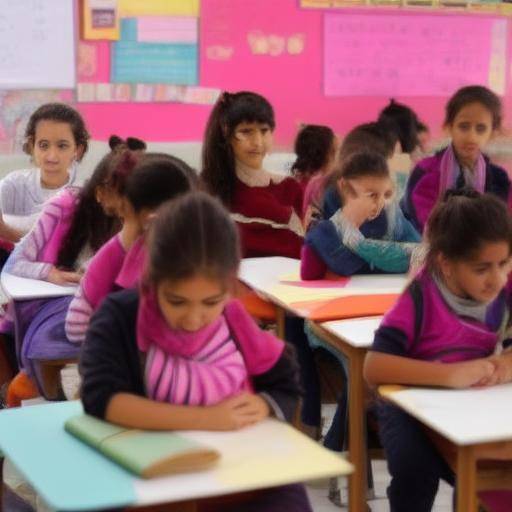
In today ' s society, cultural diversity is a fundamental aspect that must be addressed and taught in schools to foster inclusion, respect and mutual understanding. To achieve this, it is crucial to implement effective strategies that promote the understanding and valuation of cultural differences. In this article, we will explore best practices, innovative approaches, and practical advice to teach about cultural diversity in schools.
Introduction
Since time immemorial, cultural diversity has enriched society through its traditions, customs and values. However, their understanding and appreciation has faced several challenges. In the field of education, it is imperative to raise awareness and respect for cultural diversity from an early age. In this article, we will explore effective strategies and different approaches to teaching about cultural diversity in the school environment. From its historical importance to current practices, our goal is to provide a comprehensive analysis that is useful for both educators and the educational community in general.
History and Background
To understand the importance of teaching about cultural diversity, it is essential to explore its historical background. Cultural diversity has been a fundamental pillar of human society since ancient times. At different times in history, these cultural differences have been both a source of enrichment and conflict. From the first interactions between civilizations to large-scale migratory movements, cultural diversity has significantly influenced the development of humanity.
Importance of Education on Cultural Diversity
Education on cultural diversity represents a unique opportunity to promote values of respect, empathy and understanding in new generations. By integrating it into the school curriculum, a more inclusive view of society is encouraged and it contributes to the formation of conscious and tolerant citizens. Learning on cultural diversity also helps to combat stereotypes, prejudices and discrimination, promoting harmony and peaceful coexistence in a diverse world.
Significant Developments and Daughters
The recognition and appreciation of cultural diversity has experienced significant advances throughout history. Since the Universal Declaration of Human Rights in 1948 until the creation of legislation and educational policies focused on cultural diversity, a solid foundation has been established for the inclusion and promotion of diversity. Despite these advances, significant challenges remain in the way cultural diversity in the educational field is addressed and taught.
Detailed Analysis
Benefits and Challenges of the Teaching of Cultural Diversity
Education on cultural diversity entails many benefits, such as the enrichment of knowledge, the promotion of respect and intercultural understanding, and the promotion of equity and social justice. However, it also entails challenges, such as the need to overcome linguistic and cultural barriers, as well as the effective incorporation of different perspectives and experiences in the school curriculum.
Effective Approaches and Strategies for Teaching on Cultural Diversity
Cultural diversity in the classroom requires innovative pedagogical approaches and effective strategies. These include the integration of diverse educational materials that reflect the multiplicity of cultures present in society, the promotion of open and respectful discussions on issues related to cultural diversity, and the promotion of activities that value and celebrate diversity. In addition, community involvement and collaboration with organizations that promote cultural diversity are essential to enrich the educational experience.
Experiences and Practical Examples
Strategies to teach about cultural diversity can vary significantly according to the educational context and the needs of students. A practical example would be the inclusion of literature and traditional tales of various cultures in the school curriculum, which not only enriches the knowledge of the students, but also allows them to identify with characters and situations that reflect their own cultural diversity. Another effective approach is the organization of cultural events or fairs in which students can share and learn about different traditions, meals, music and clothing from different cultures, thus promoting an environment of mutual respect and appreciation.
Comparative analysis
Strategies for Teaching about Cultural Diversity vs. Traditional education
By comparing strategies to teach about cultural diversity with traditional educational approaches, there is a clear difference in the inclusion of diverse perspectives. While traditional teaching tends to focus on a single set of prevailing ideas and values, strategies to teach about cultural diversity seek to incorporate a wide range of world experiences and visions. This allows students to develop a wider and complete understanding of the society in which they live.
Synergies between Teaching about Cultural Diversity and Inclusive Education
Education on cultural diversity and inclusive education are closely related, as both seek to promote equal opportunities and respect for diversity. By integrating strategies that encourage the assessment of cultural diversity, it contributes to the creation of inclusive educational environments, in which all students feel recognized and valued regardless of their cultural, ethnic or linguistic origin.
Practical Tips and Accessible Recommendations
Effective strategies in the classroom
- Promote the inclusion of diverse educational materials that reflect the multiplicity of cultures present in society.
- Promote open and respectful discussions on issues related to cultural diversity.
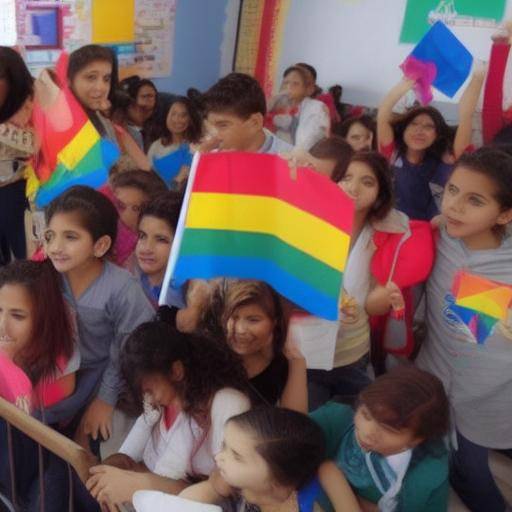
- Organize activities that value and celebrate diversity, such as cultural fairs and presentations.
- Involve the community and collaborate with organizations that promote cultural diversity.
Promoting Active Participation of Students
- Provide opportunities for students to share their own cultural experiences and traditions.
- To include research and self-learning on various cultures, inviting students to explore their own interests.
Apply an Intercultural Lente in the Teaching
- Integrate the intercultural perspective into all areas of the curriculum, fostering mutual respect and understanding.
- Ad
## ## ## ## ## ## ## ## ## ## ## ## ## ## ## ## ## ## ## ## ## ## ## ## ## ## ## ## ## ## ## ## ## ## ## ## ## ## ## ## ## ## ## ## ## ## ## ## ## ## ## ## ## ## ## ## ## ## ## ## ## ## ## ## ## ## ## ## ## ## ## ## ## ## ## ## ## ## ## ## ## ## ## ## ## ## ## ## ## ## ## ## ## ## ## ## ## ## ## ## ## ## ## ## ## ## ## ## ## ## ## ## ## ## ## ## ## ## ## ## ## ## ## ## ## ## ## ##
Conclusions and FAQs
Conclusions
Education on cultural diversity is a fundamental pillar for the formation of inclusive and respectful citizens. In implementing effective strategies, it promotes understanding, respect and appreciation of cultural differences, laying the foundations for a more equitable and harmonious society.
Frequently asked questions
Why is it important to teach about cultural diversity in schools?
Education on cultural diversity promotes understanding, respect and appreciation of cultural differences, contributing to the formation of conscious and tolerant citizens.
How can educators integrate effective strategies to teach about cultural diversity in the classroom?
Educators can integrate effective strategies by including diverse educational materials, promoting open and respectful discussions on issues related to cultural diversity, and organizing activities that value and celebrate diversity.
What is the role of cultural diversity in inclusive education?
Cultural diversity in inclusive education seeks to promote equal opportunities and respect for diversity, contributing to the creation of educational environments where all students feel recognized and valued regardless of their cultural, ethnic or linguistic origin.
What are some effective strategies to promote the active participation of students in the teaching of cultural diversity?
Some strategies include providing opportunities for students to share their own cultural experiences, encourage research and self-learning on various cultures, and apply an intercultural lens in teaching, fostering mutual respect and understanding.
How can educators demonstrate empathy towards the experiences and life prospects of students in the context of cultural diversity?
Educators can demonstrate empathy by recognizing diversity as an enriching value, integrating the intercultural perspective into all areas of the curriculum and showing genuine interest in the experiences and life prospects of their students.
What are the future implications of effective teaching on cultural diversity in schools?
Effective teaching on cultural diversity can have a significant impact on the formation of inclusive citizens and the construction of more equitable and harmonious societies. It can also contribute to the creation of more enriching and equitable educational environments.
Conclusion
Education on cultural diversity in schools is a fundamental pillar for building inclusive and respectful societies. By implementing effective strategies that promote the assessment of cultural differences, the foundations for harmonious coexistence and a more equal future are laid. Cultural diversity enriches, strengthens and brings wealth to our lives, and its understanding is crucial to the development of a globally conscious and empathic society.
In short, teaching on cultural diversity not only enriches educational experience, but also nourishes the human spirit, promoting mutual understanding and peace in a diverse and multicultural world.
As education professionals, it is imperative to embrace and promote cultural diversity in the classroom, in order to form conscious, tolerant and supportive citizens. In doing so, we contribute to the construction of a world where diversity is valued as an enriching asset, and where respect and inclusion mark the way for a more just and equitable future for generations to come.
In conclusion, teaching on cultural diversity is a commitment that transcends classrooms, positively impacting on building a more inclusive and fair society.
With the implementation of effective strategies and a genuine commitment to cultural diversity, schools can be spaces where diversity is celebrated and valued as a fundamental asset for human development.
The expansion and promotion of cultural diversity in the Education Context represents one of the most current and relevant topics. This article aims to provide readers with comprehensive knowledge on the subject, while emphasizing the importance of rigorous and effective strategies in their teaching.