Introduction
Cultural diversity is a crucial aspect in today ' s society, and its understanding and appreciation are essential to fostering tolerance, respect and equality. In the field of education, especially in secondary education, it is essential to address this issue effectively. In this article, we will explore strategies to teach about cultural diversity in the secondary education environment.
Effective Strategies for the Teaching of Cultural Diversity
Educational strategies to address cultural diversity in the school environment must be enriching, respectful and effective. Various strategies are then presented to carry out this important work, taking into account the sensitivity and relevance of the topic for students.
The Role of Education in Cultural Diversity
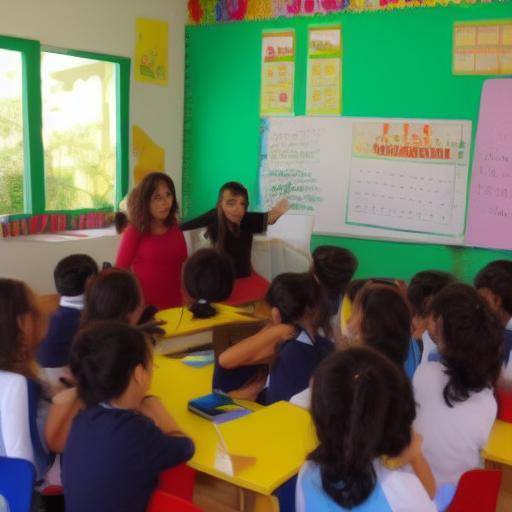
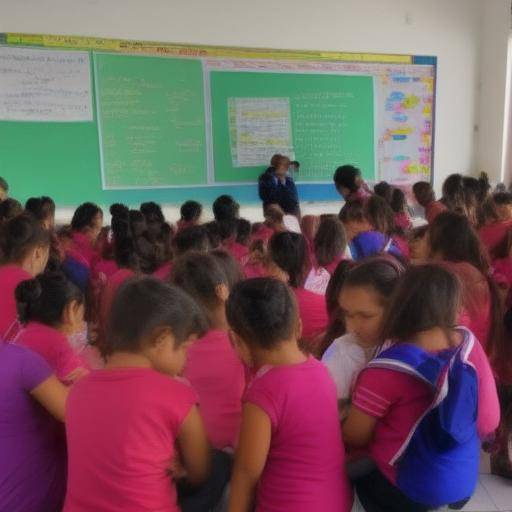
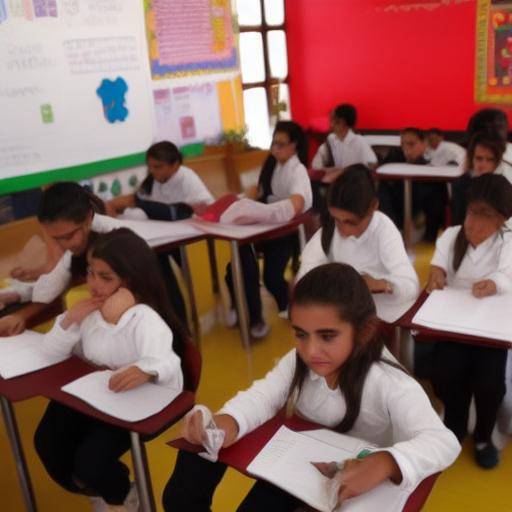
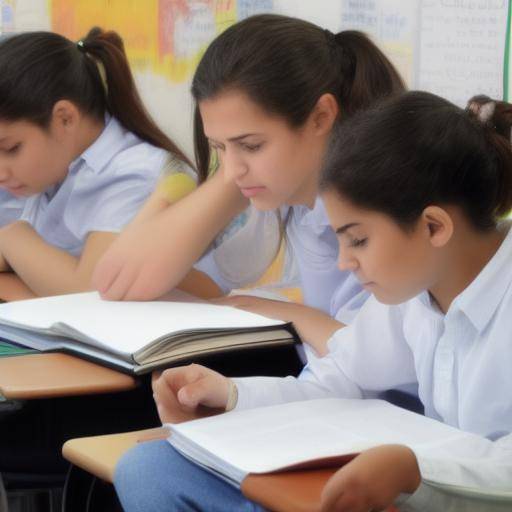
Education plays a vital role in promoting intercultural understanding and respect for diversity. In addressing cultural diversity in secondary school classrooms, it is crucial to recognize that each student brings his own cultural identity and personal experiences to the educational environment. Therefore, the objective is not only to convey knowledge about different cultures, but also to promote empathy, critical awareness and acceptance.
Enhancing Active Participation
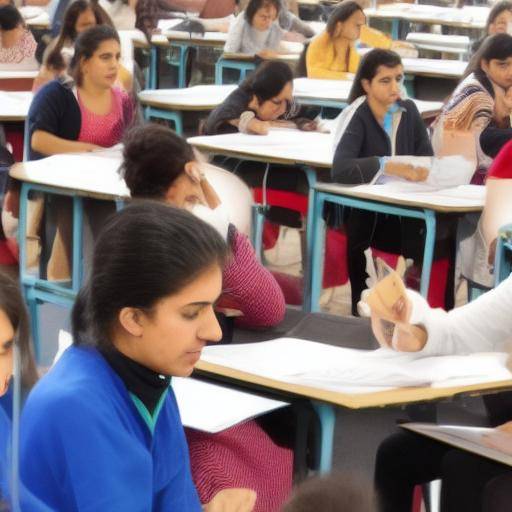
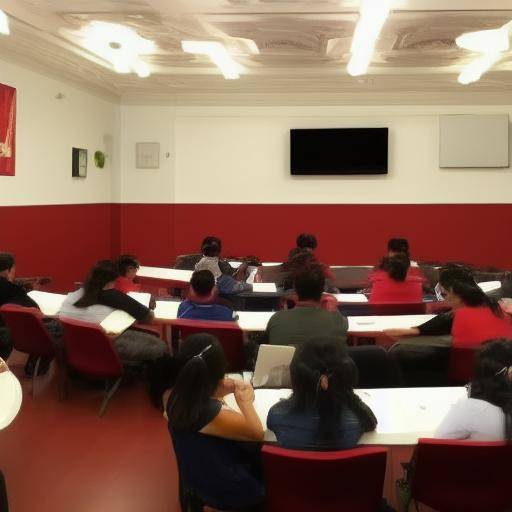
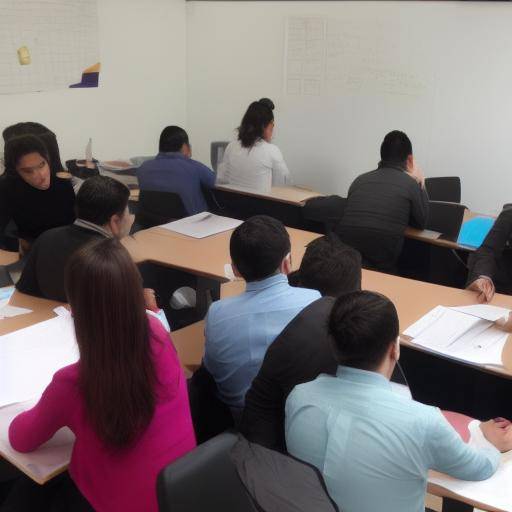
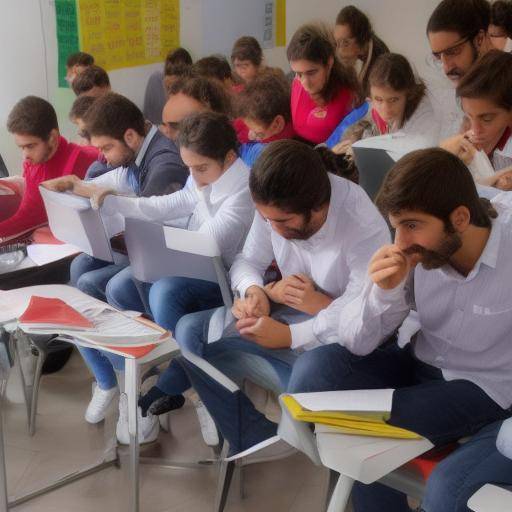
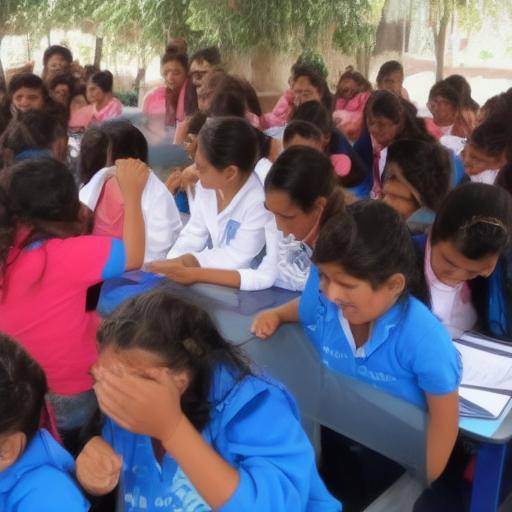
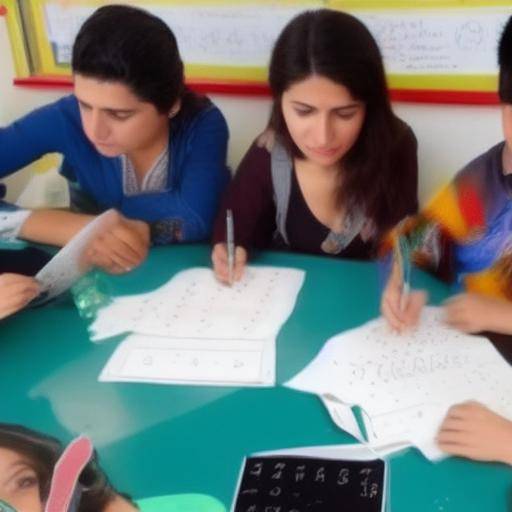
Experience learning and active participation are essential components for teaching about cultural diversity. Practical activities, such as research projects, oral presentations and debates, allow students to explore and understand diverse cultures dynamically. In addition, the exchange of ideas and collaboration between partners from different cultural backgrounds promote mutual understanding and the assessment of diversity.
Integration of Multicultural Content in the Curriculum
Integrating multicultural content across the school curriculum is an effective strategy for teaching about cultural diversity in an integral way. This incorporation is not limited only to subjects of social science or history, but covers areas such as literature, art, music, mathematics and science. In doing so, cultural contributions of different peoples are recognized and stereotypes are broken while the educational experience of students is enriched.
Promotion of Intercultural Dialogue
Open and respectful dialogue among students, as well as teachers, is a fundamental pillar in the teaching of cultural diversity. Conversation spaces should be fostered which address issues related to diversity, racism, discrimination and inclusion. Such discussions should encourage critical reflection, grounded argumentation and, ultimately, the development of a solid intercultural consciousness.
Benefits and Challenges of the Teaching of Cultural Diversity
Education on cultural diversity entails significant benefits, as well as challenges that must be effectively addressed. Below are some of the most relevant aspects.
Benefits
- Promotion of Tolerance and Respect: In understanding and appreciating diversity, students develop more tolerant and respectful attitudes towards cultural differences.
- Personal enrichment: Contact with different cultures in the educational field enriches the vision of the world of students, promoting mental openness and mutual learning.
- Preparation for Global Citizenship: Understanding cultural diversity trains students to participate actively in a globalized society, fostering responsible citizenship and international cooperation.
Challenges
- Sensitivity and Controversy: In addressing sensitive issues related to cultural diversity, teachers must be prepared to manage controversial and emotionally charged situations.
- Barriers of the Language: Linguistic diversity can present challenges in communication and understanding, especially in school settings with students whose mother tongues are diverse.
- Resistance to Change: Some students and faculty members can show resistance to the integration of new contents or approaches into the curriculum, which requires additional work to foster the adoption of multicultural perspectives.
Practical Tips and Concrete Actions
To effectively implement education on cultural diversity in the secondary education environment, it is useful to follow certain practical advice that facilitates both the understanding and the effective integration of this subject.
Fostering Empathy and Active Listening
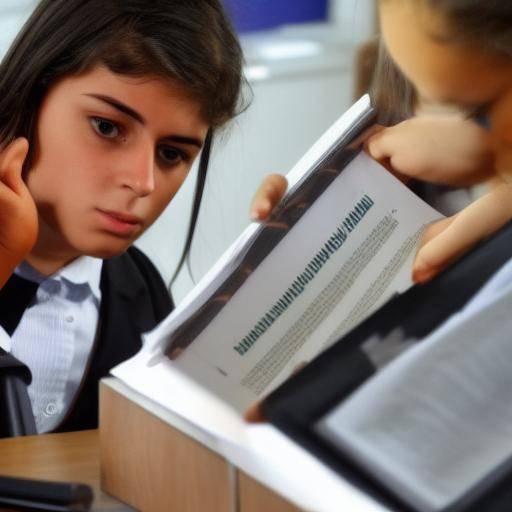
Promoting the development of empathy and the ability to listen actively is essential for intercultural understanding. Students should learn to get into each other's place, appreciate their individual perspectives and respect their experiences. The promotion of an atmosphere of respectful listening and openness to dialogue strengthens mutual understanding among individuals from different cultural backgrounds.
Include Positive Models and Examples of Cultural Diversity
The presentation of positive models and examples of cultural diversity through literature, films, music and other artistic media is an effective way of transmitting inclusive values and attitudes. By exhibiting real cases of respect, collaboration and enrichment from diversity, the value of difference is promoted and the underlying prejudices are challenged.
Use External Resources and Collaborations
Collaboration with community members, cultural institutions, ethnic groups or cultural diversity experts enriches the educational process. This interaction provides authentic perspectives, enriches the learning experience and establishes meaningful connections between theory and real life.
Conclusion
Teaching about cultural diversity in the secondary education environment is a significant and transformative task that carries multiple benefits at the individual and collective levels. The effective implementation of educational strategies designed to promote the understanding, respect and value of cultural diversity contributes to the formation of conscious, tolerant and socially committed global citizens.
Frequently asked questions
1. What is the importance of teaching about cultural diversity in high school?
Education on cultural diversity in secondary school is crucial to promoting intercultural understanding, promoting tolerance and preparing students for active and committed global citizenship.
2. How can teachers effectively address cultural diversity in the classroom?
Teachers can effectively address cultural diversity through the use of participatory strategies, the integration of multicultural content into the curriculum and the promotion of intercultural dialogue.
3. What challenges can arise when teaching about cultural diversity in high school?
Some challenges that may arise include the sensitivity of certain topics, linguistic barriers and resistance to change within the educational environment.
4. How can students benefit from teaching about cultural diversity?
Students can benefit by developing more tolerant and respectful attitudes, enriching their world vision and preparing to participate actively in a globalized society.
5. How can teachers promote empathy among students regarding cultural diversity?
Teachers can promote empathy by promoting an active and respectful listening environment, and by presenting positive models of cultural diversity through different means.
6. Why is it important to include positive examples of cultural diversity in the educational process?
The inclusion of positive examples of cultural diversity promotes the value of differences, challenges the entrenched prejudices and enriches the learning experience by relating theory to real life.
In short, teaching on cultural diversity in secondary education is crucial to form global citizens who value diversity, encourage inclusion and are prepared to face the challenges of an interconnected and multicultural world.
Conclusion
In short, the approach of cultural diversity in secondary education requires effective strategies that promote the understanding, respect and appreciation of different cultures. This approach provides not only knowledge of diversity, but also fundamental skills to live in a diverse global society. In applying these strategies, students can develop a solid intercultural awareness, thus contributing to the construction of a more inclusive and fair society.
By employing the above strategies and addressing the benefits and challenges of teaching cultural diversity, educators can prepare their students for a diverse and globalized world. Cultural diversity in secondary education not only enriches the educational experience, but also contributes to the construction of a more understanding and solidarity society.
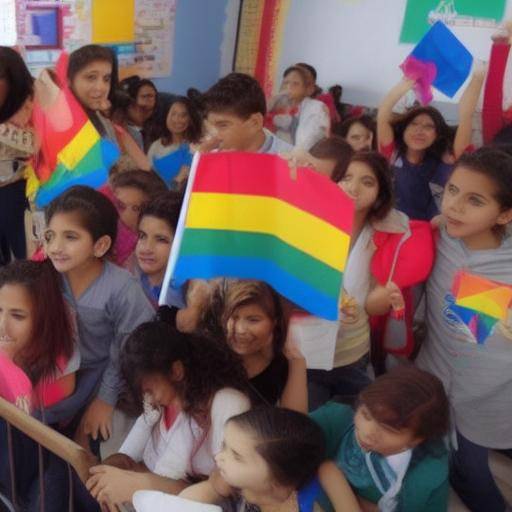
With these approaches, educators can transform classrooms into spaces that celebrate diversity, fostering intercultural understanding and preparing students for an inclusive and comprehensive future.
In conclusion, the effective integration of strategies to teach about cultural diversity in secondary education plays a key role in the formation of conscious, tolerant and committed citizens in building a more inclusive and equitable world.
External sources:
- National Institute for Education of Excellence
- UNESCO - Teaching and Learning for Cultural Diversity
- UNESCO Chair of Ethics for Peace and Human Rights
We hope that this article has provided valuable information on the importance of teaching about cultural diversity in secondary education and has offered practical strategies for its effective implementation.