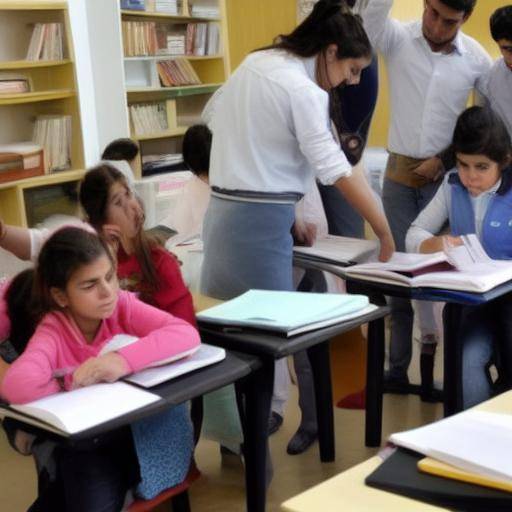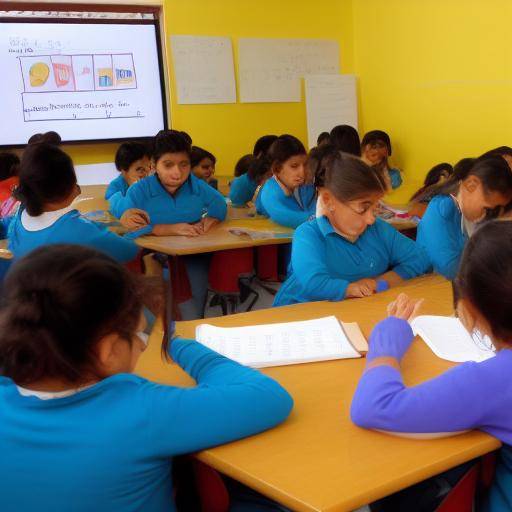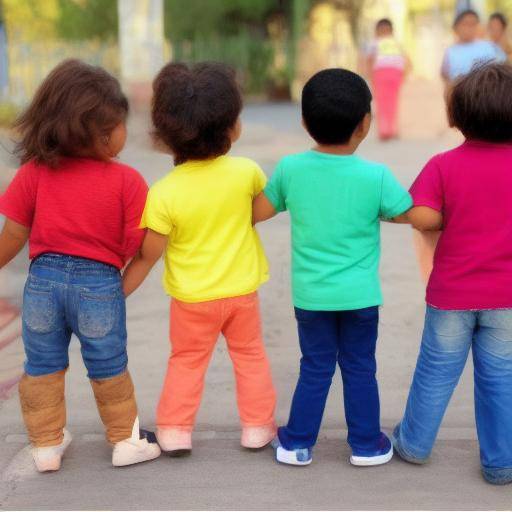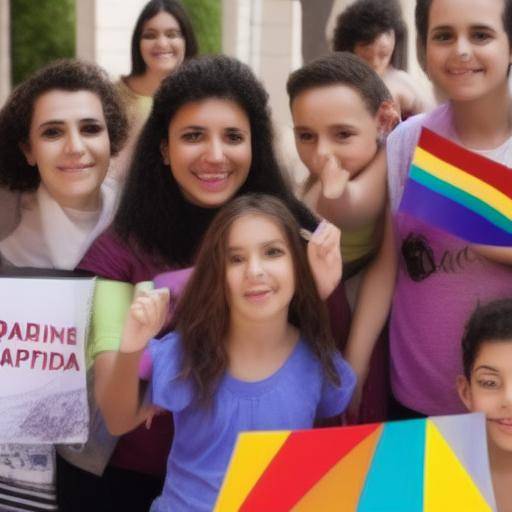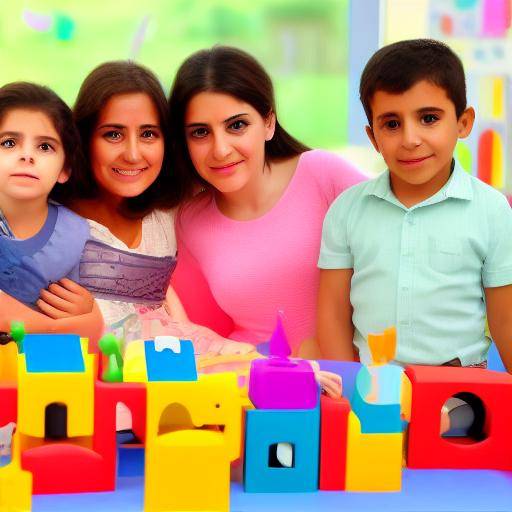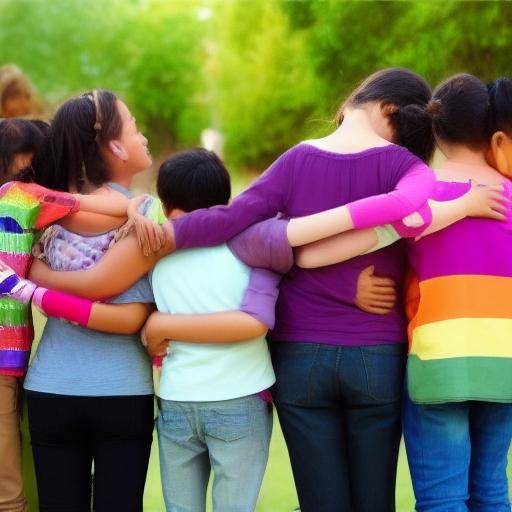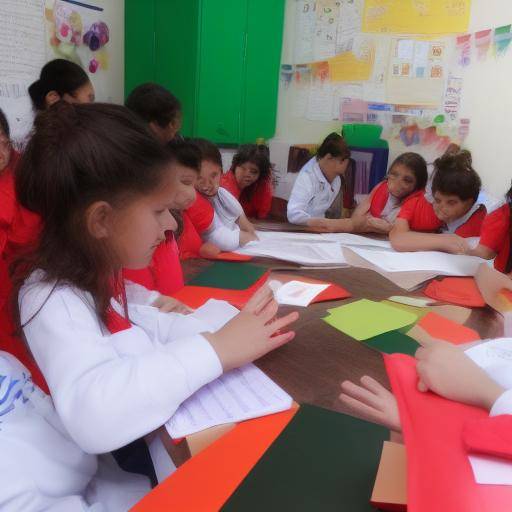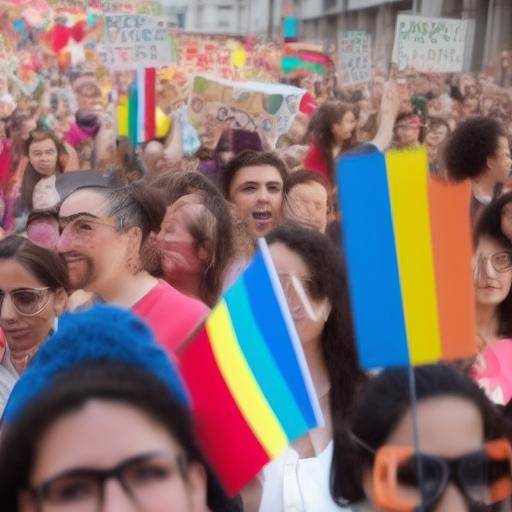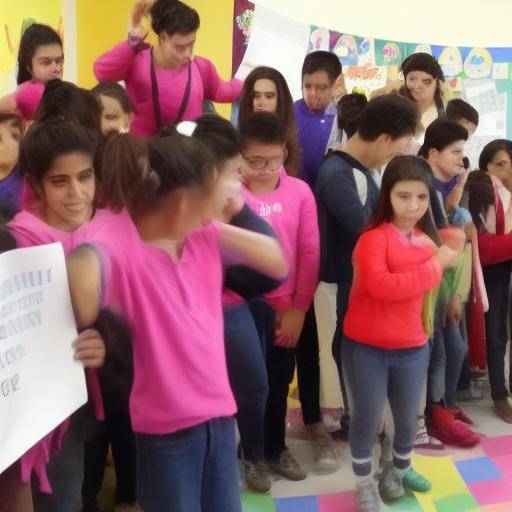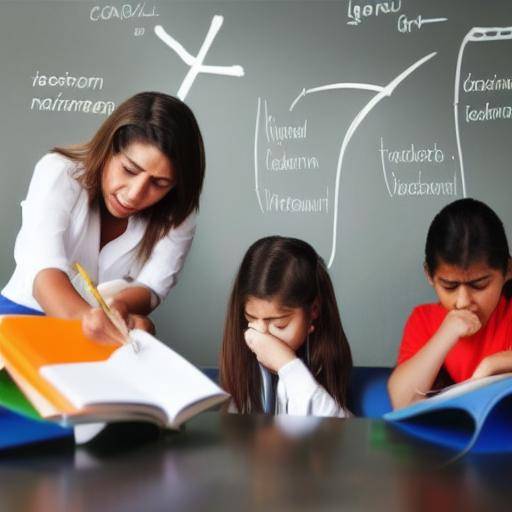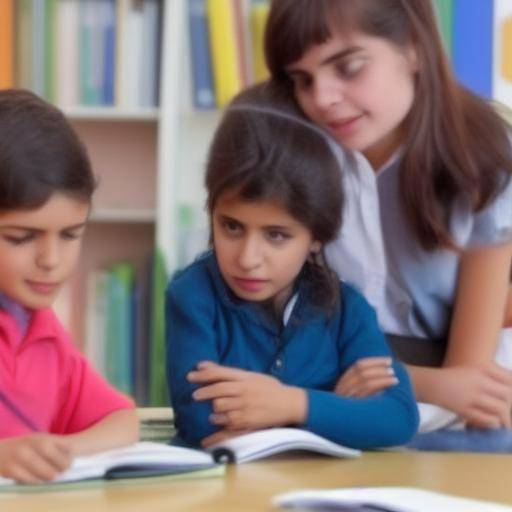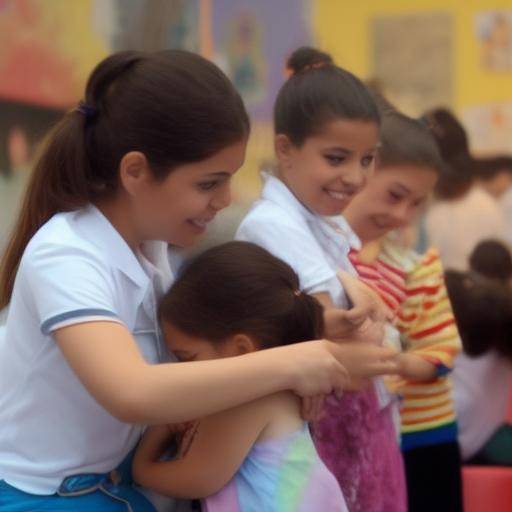
Cultural diversity is a distinctive and enriching feature of our society. In the area of emotional education, cultural diversity plays a key role in the integral development of individuals. We will explore in this article the benefits that cultural diversity brings to emotional education, analyzing its importance, implications and advantages. From the appreciation of different perspectives to the promotion of respect and empathy, cultural diversity enriches and enhances emotional education significantly.
Benefits of Cultural Diversity in Emotional Education
Importance of Cultural Diversity
Cultural diversity enriches emotional education by exposing individuals to different forms of thought, traditions, languages and artistic expressions. This exhibition promotes mental openness, emotional resilience and adaptability, fundamental skills in personal and social development. In addition, cultural diversity promotes sensitivity to the needs and realities of others, strengthening the capacity of empathy and solidarity.
Implications in Personal and Social Development
Cultural diversity in emotional education promotes the formation of more tolerant, respectful and aware individuals of the wealth provided by the plurality of cultures. This harmonious coexistence with cultural diversity benefits emotional health by reducing prejudice, discrimination and social isolation. It also enhances effective communication, teamwork and conflict resolution, essential skills at work and community level.
Advantages for the Society
Emotional education in an environment of cultural diversity contributes to the construction of inclusive, cohesive and equitable societies. By assessing and respecting cultural differences, social fabric is strengthened and peaceful coexistence is encouraged. In addition, cultural diversity enriches creative dynamics, promoting innovation, intercultural collaboration and knowledge-sharing. These advantages are reflected in the field of education, labour, art and business, promoting comprehensive and sustainable development.
History and Background
The concept of cultural diversity in emotional education has its roots in the theories of emotional intelligence and multicultural pedagogy. Throughout history, various thinkers, educators and activists have emphasized the importance of integrating diversity into educational processes, recognizing their transformative potential in society. From civil rights movements to educational inclusion policies, cultural diversity has been the subject of reflection, action and change in the field of emotional education.
The evolution of these approaches has been key to understanding and assessing cultural diversity as an asset in emotional education, promoting educational programmes, materials and practices that address interculturality, intercultural dialogue and respect for diversity. These developments have laid the foundation for the development of inclusive, equitable and culturally sensitive approaches to emotional education, enriching the formation of future generations.
Detailed Analysis
Benefits
Cultural diversity enriches emotional education by promoting a deeper understanding of the emotions, experiences and perspectives of other cultures. This enrichment allows individuals to develop greater emotional awareness, the ability to place themselves in the place of the other and to open up new forms of expression and conflict resolution. These skills strengthen emotional intelligence, psychological well-being and social integration.
Challenges
Despite benefits, cultural diversity in emotional education also poses challenges, such as the management of intercultural conflicts, equity in access to educational resources and awareness of stereotypes and prejudices. Addressing these challenges requires a proactive approach that involves the entire educational community, as well as specific policies and programmes that promote inclusion, equity and intercultural respect. Teacher training in emotional education and cultural diversity is essential to effectively address these challenges.
Current trends
At present, there is a growing interest in integrating cultural diversity cross-cuttingly into emotional education programmes, adopting intercultural approaches that recognize and value the diverse identities, experiences and emotional expressions of individuals. This trend promotes cooperative learning initiatives, inclusive narratives and spaces for multicultural dialogue, enriching coexistence and emotional learning in diverse educational environments.
Significant examples
The approach to cultural diversity in emotional education is reflected in successful initiatives worldwide, such as intercultural mentoring programmes, artistic activities that promote multi-sensory emotional expression and participatory research projects that address the emotional needs of diverse communities. These examples illustrate the importance of integrating cultural diversity in emotional education to enhance the personal, social and emotional development of individuals.
Comprehensive review
Applications and Best Practices
The effective applications of cultural diversity in emotional education stand out in promoting inclusive educational environments, teaching strategies that promote intercultural dialogue and the development of educational materials that reflect the diversity of emotional experiences. Best practices include the integration of cases and intercultural examples into the curriculum, the formation of intercultural alliances between schools and collaboration with diverse communities to enrich emotional learning.
Opinions of Experts and Future Implications
Experts emphasize the importance of enhancing cultural diversity in emotional education as an ethical and pedagogical imperative. They recognize the need to develop innovative strategies that address emotional and cultural diversity in a holistic manner, preparing new generations to interact in increasingly diverse and globalized societies. These future implications highlight the relevance of an emotional education enriched by cultural diversity to promote social cohesion and emotional well-being at the global level.
Comparative analysis
Benefits of Cultural Diversity vs. Emotional Education
Both cultural diversity and emotional education share the goal of promoting the integral development of individuals. While cultural diversity enriches emotional education by offering a diverse and enriching emotional context, emotional education enhances the understanding and management of emotions to promote coexistence and emotional resilience in diverse environments.
Cultural Diversity vs. Benefits of Emotional Education
Cultural diversity stands out for the multiplicity of emotional expressions and vital experiences, promoting personal enrichment through openness to difference. On the other hand, emotional education highlights the importance of developing emotional skills fundamental to mental health and individual and collective well-being, emphasizing emotional management, empathy and peaceful conflict resolution.
Synergies and Compelling Scenarios
The convergence between cultural diversity and emotional education creates enriching scenarios where understanding, appreciation and emotional management are strengthened by the diversity of cultural expressions, perspectives and traditions. These synergies promote intercultural skills, emotional well-being and harmonious coexistence in diverse environments, enriching the integral formation of individuals and communities.
Practical Tips and Accionable Actions
Practical Tips
- Encourages intercultural dialogue in the classroom, promoting reflection on similarities and emotional differences in different contexts
- It incorporates artistic and literary activities that reflect cultural diversity, promoting emotional expression and appreciation of different aesthetic and narrative approaches.
- It organizes cultural exchange activities and immersion experiences that promote the encounter between different cultures, fostering mutual understanding and respect.
- It integrates the analysis of intercultural emotional situations in the curriculum, addressing real cases that promote empathy, conflict management and solidarity.
Accionable actions
- Develop a teacher training plan in emotional education and cultural diversity, including strategies to address emotional and cultural diversity in the classroom.
- Create alliances with local communities to enrich emotional learning through intercultural projects and activities.
- Develop inclusive educational materials that reflect the diversity of emotional expressions and cultural experiences, promoting identification and respect for diversity.
Industrial Perspectives and Expert Reviews
Reflections for the Future
Experts agree on the need for emotional education enriched by cultural diversity to prepare future generations against an increasingly diverse and interconnected world. They emphasize the importance of promoting spaces for intercultural dialogue and reflection that strengthen mutual respect, equity and peaceful coexistence. These reflections point to the relevance of emotional education sensitive to cultural diversity as a pillar for social cohesion and sustainable development.
Case Studies and Practical Applications
Impact on Education
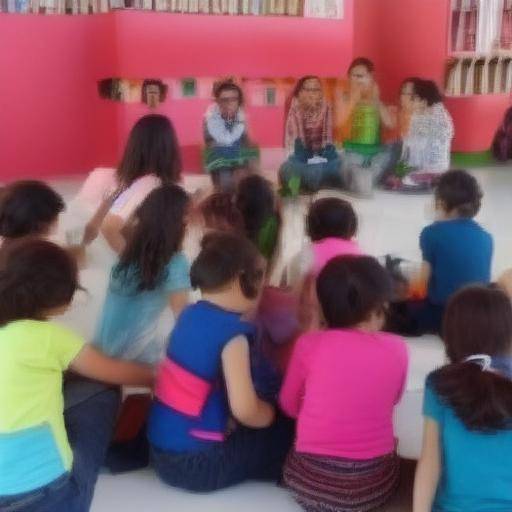
A case study at a multicultural educational centre highlighted the significant improvement in student coexistence, academic performance and emotional well-being by implementing an emotional education program enriched by cultural diversity. The results showed a reduction in intercultural conflicts, an increase in self-esteem and empathy, and greater openness to diversity.
Applications in the Labor Context
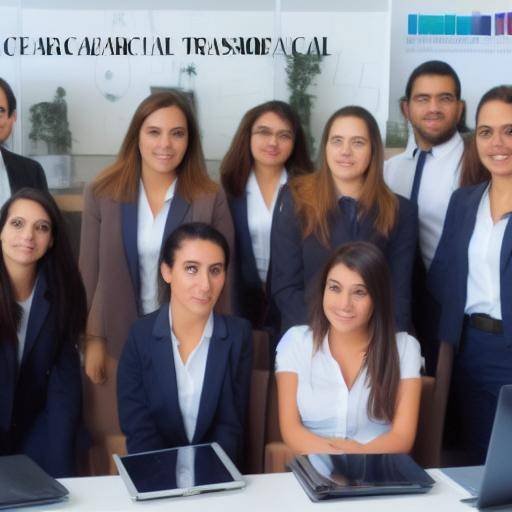
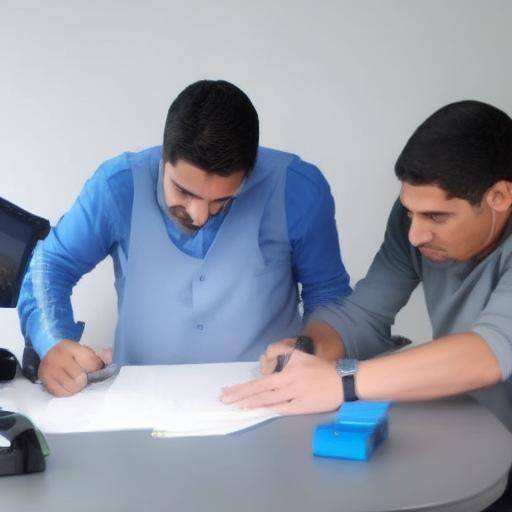
In a diverse working environment, the integration of emotional education enriched by cultural diversity has enhanced effective communication, the resolution of intercultural conflicts and creativity in problem solving. Employees reported greater job satisfaction, a more inclusive working climate and greater intercultural collaboration, which was reflected in a more harmonious and productive working environment.
Future Trends and Predictions
Use of Emerging Technologies
The use of virtual reality technologies and simulations in emotional education enriched by cultural diversity is expected to provide immersive experiences that promote intercultural understanding and respect, expanding the possibilities of emotional learning in global and diverse environments.
Global collaboration
Collaboration among global educational institutions in integrating cultural diversity in emotional education is a promising trend, facilitating the exchange of good practices, intercultural education and the development of inclusive educational materials that reflect emotional and cultural diversity.
Conclusion and FAQs
Conclusion
Cultural diversity enriches emotional education by promoting understanding, appreciation and management of emotional and cultural diversity, strengthening personal, social and labour well-being. Their integration into emotional education opens opportunities for the integral development of individuals, the construction of inclusive societies and the promotion of peaceful coexistence in diverse environments.
FAQs
How does cultural diversity enrich emotional education?
Cultural diversity enriches emotional education by promoting understanding, appreciation and management of emotional and cultural diversity, strengthening personal, social and labour well-being.
What are the challenges in integrating cultural diversity into emotional education?
Challenges include intercultural conflict management, equity in access to educational resources and awareness of stereotypes and prejudices, requiring a proactive approach and adequate teacher training.
What best practices can be implemented in integrating cultural diversity into emotional education?
Education strategies that promote intercultural dialogue, the development of educational materials that reflect the diversity of emotional experiences, and the formation of intercultural alliances between schools can be implemented.
How does cultural diversity impact on coexistence and academic performance in educational settings?
Cultural diversity enriches coexistence by promoting sensitivity to the needs and realities of others, strengthening the capacity of empathy and solidarity, and has proven to improve the academic performance and emotional well-being of students.
What is the role of emotional education enriched by cultural diversity in the workplace?
In a diverse working environment, the integration of emotional education enriched by cultural diversity has enhanced effective communication, the resolution of intercultural conflicts and creativity in problem solving.
What are future trends in integrating cultural diversity into emotional education?
The use of virtual reality technologies and global collaboration among educational institutions is expected, facilitating the exchange of good practices and the development of inclusive educational materials that reflect emotional and cultural diversity.
Why is an emotional education enriched by cultural diversity important?
It is important to prepare future generations against an increasingly diverse and interconnected world, strengthening mutual respect, equity and peaceful coexistence in diverse environments.
We conclude that the integration of cultural diversity in emotional education brings significant benefits to the integral development of individuals, social cohesion and emotional well-being. It reaffirms the value of diversity as a source of personal and collective enrichment, promoting intercultural understanding, respect and integration. It also promotes reflection, action and collaboration in building inclusive and equitable societies. Emotional education enriched by cultural diversity is a fundamental pillar for sustainable development and harmonious coexistence in a globalized and diverse world.