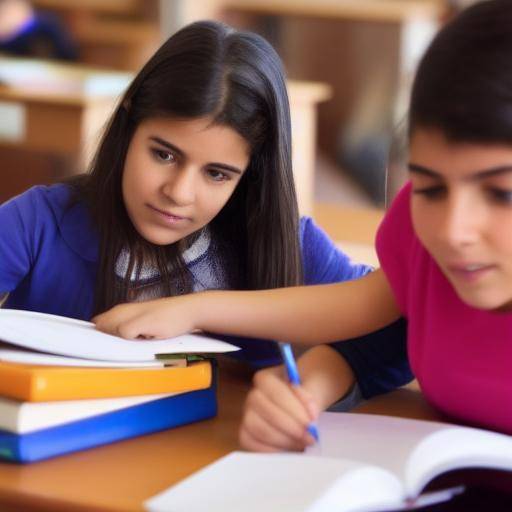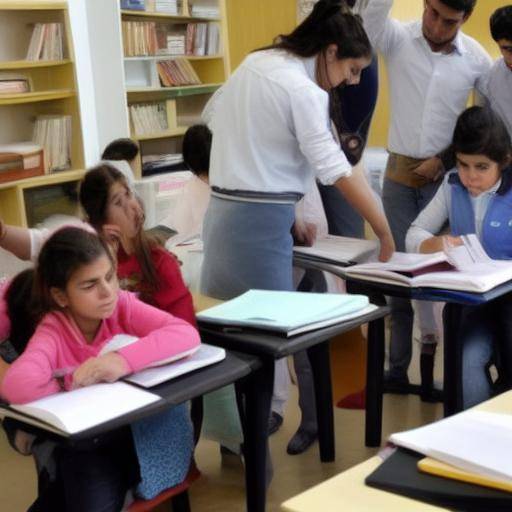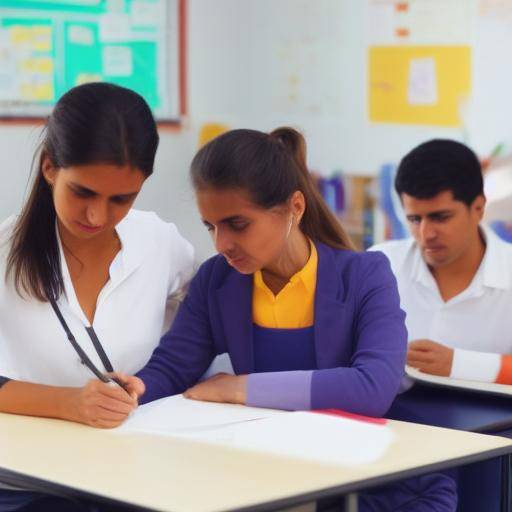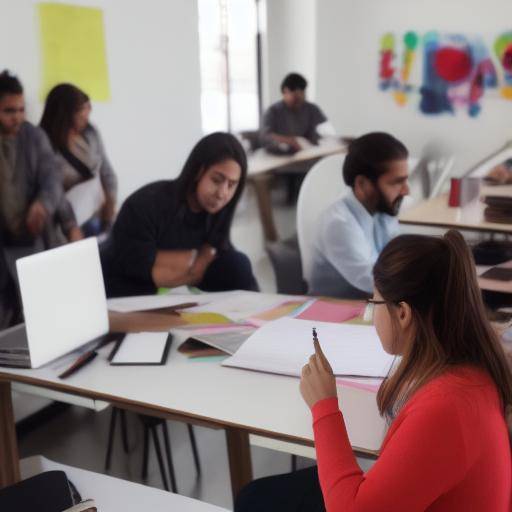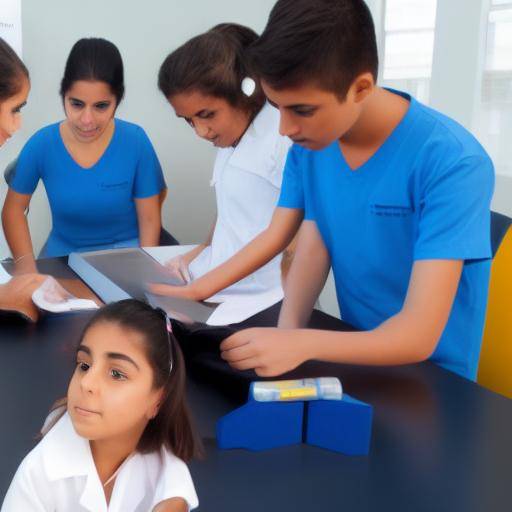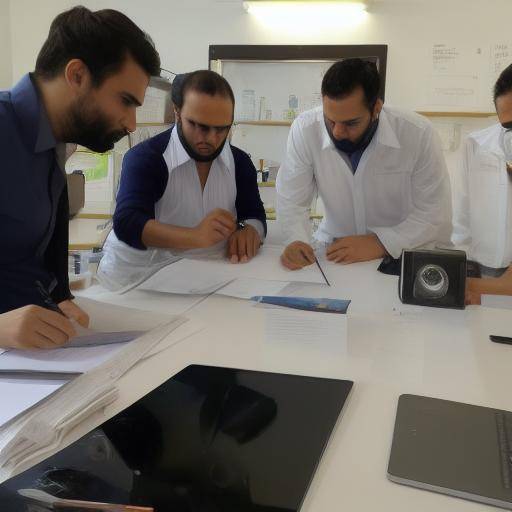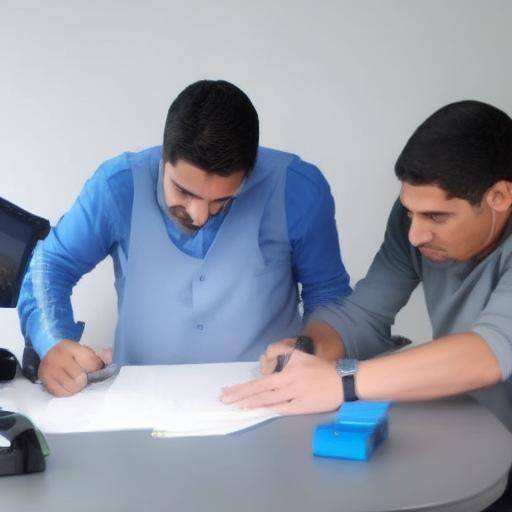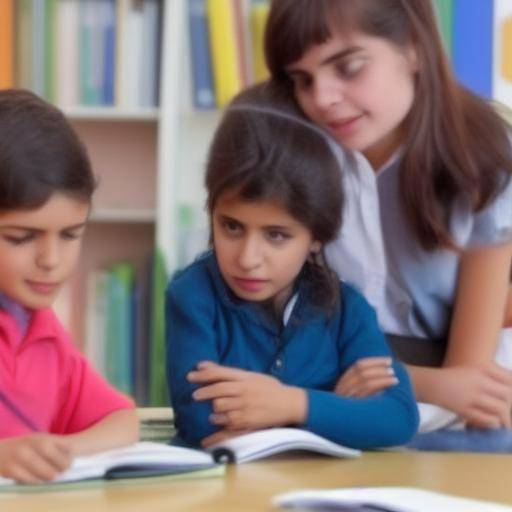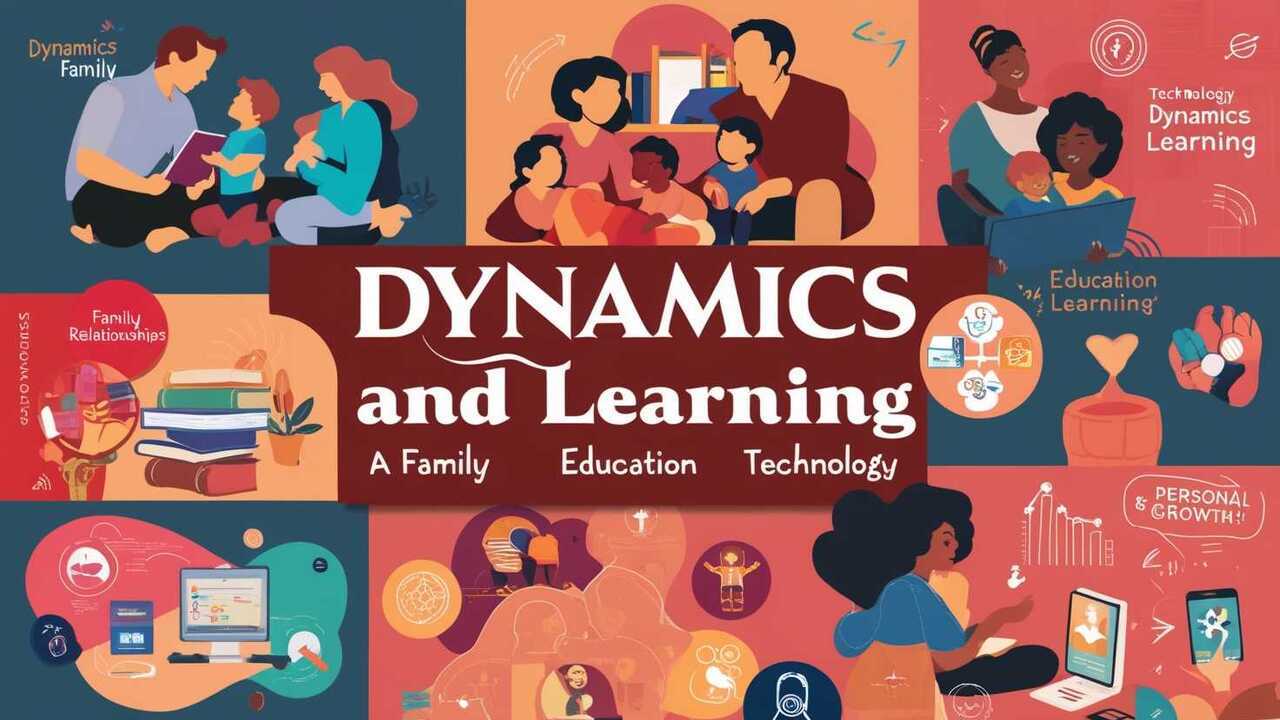
Teamwork is a fundamental strategy in the academic sphere that promotes collaborative learning and the development of social skills. In this article, we will explore in depth the benefits that teamwork brings to academic development, from its history and background to its practical application in the educational environment. In addition, we will provide valuable information on current trends, practical advice, expert opinions, case studies and future predictions, all with the objective of providing a comprehensive and up-to-date view on this relevant topic.
Introduction
Teamwork has proven to be a powerful tool in the field of education, as it promotes collaboration, the exchange of ideas and the development of key skills for academic and professional success. In this introductory section, we will explore how teamwork has become an essential component in academic development and why it is essential to understand its benefits.
The value of teamwork in the educational environment
Teamwork not only involves cooperation among students, but also fosters critical thinking, problem solving and effective communication capacity. These skills are essential not only for academic performance, but also for success in the future of work.
Objectives of the article
In this article, we will examine thoroughly the benefits of teamwork in academic development, from its historical evolution to its relevance in contemporary education. We will also explore practical advice, expert opinions and case studies that illustrate how teamwork has a positive impact on academic development and how it can be effectively exploited in diverse educational settings.
History and background
Teamwork has historical roots that go back to ancient civilizations, where collaboration and collective effort were fundamental to progress. Over time, the concept of teamwork has evolved and integrated into various areas of society, including education. Then we will explore the historical evolution of teamwork and its impact on academic development.
[History and evolution of teamwork]
Origins of teamwork
The concept of teamwork has its roots in the human need to cooperate and collaborate to achieve common goals. From ancient agricultural societies to the most advanced civilizations, teamwork has been a key element for progress and survival.
Integration of teamwork in education
With the advancement of formal education, it was recognized that collaborative learning through teamwork not only strengthens the understanding of academic content, but also develops social and emotional skills important to the integral development of students.
Significant milestones and developments
Throughout history, teamwork has experienced significant developments, from inclusion in educational methodologies to their application in working environments. These milestones have contributed to their recognition as an effective strategy for learning and academic growth.
In-depth analysis
Teamwork in academia has a wide range of benefits that go beyond the simple exchange of ideas. In this section, we will discuss in detail the current advantages, challenges and trends related to teamwork in academic development.
Benefits of teamwork in academic development
Teamwork promotes essential interpersonal and cognitive skills, such as empathy, conflict resolution, collective decision-making, and the ability to work together to achieve common goals.
Challenges and obstacles
Despite its many benefits, teamwork also presents challenges, such as the equitable distribution of tasks, conflict management and effective coordination among team members. These challenges can affect academic development if they are not adequately addressed.
Current trends in the work of educational equipment
The technology has expanded the possibilities of collaboration between students, allowing teamwork in virtual environments and the integration of innovative tools that facilitate communication and the organization of tasks.
Comprehensive review
Teamwork not only has obvious benefits, but its application in specific academic environments can make the difference in student development and performance. In this section, we will explore cases of study, best practices and expert opinions that provide a complete overview of the impact of teamwork on academic development.
Exemplary case studies
We will present concrete examples of educational institutions that have successfully implemented teamwork strategies, highlighting the positive results in academic performance and the development of social skills in students.
Expert perspectives
Experts on education and psychology will offer their vision of the importance of teamwork in the educational context, as well as practical advice to maximize their benefits and overcome potential challenges.
Comparative analysis
We will compare the benefits of teamwork with other educational approaches in academic development, highlighting their similarities, differences and potential synergies.
Comparison with individual learning
We will analyze how teamwork complements or contrasts with individual learning, highlighting the advantages of each approach and its role in integral academic development.
Practical advice and recommendations
In this section, we will offer practical advice to implement and maximize teamwork in academic contexts, providing detailed guidance and concrete examples.
Tips to facilitate teamwork
We will provide clear guidelines for educators on how to organize and guide teamwork, as well as recommendations for fostering an environment of collaboration and equity among students.
Industry perspectives and expert opinions
We will provide a detailed overview of current trends related to teamwork in the field of education, based on interviews with industry professionals and analysis of emerging trends.
Future forecasts and industry management
We will explore future projections around teamwork in academic development, considering factors such as integrating technology and evolving educational practices.
Conclusion
In this section, we will summarize the key points presented in the article, reinforcing the importance of teamwork in academic development and encouraging readers to consider their implementation in educational settings.
FAQs
What are some specific benefits of teamwork in academic development?
Teamwork promotes the development of social skills, the exchange of ideas, critical thinking and problem solving in a collaborative manner.
How can an educator foster an enabling environment for teamwork in the classroom?
Educators can facilitate teamwork by promoting equity in task distribution, fostering effective communication and providing spaces for collaboration.
Are there significant challenges associated with teamwork in academic environments?
Some challenges may include conflict management among team members, equitable sharing of responsibilities and effective coordination of tasks.
Is teamwork more effective than individual learning in academic development?
Both approaches have their own benefits, and their effectiveness will depend on the context and specific educational objectives.
How can teamwork prepare students for professional success?
Teamwork teaches collaboration and communication skills that are essential in the current working environment, preparing students for teamwork in the future.
What are some emerging trends related to teamwork in academic development that are expected to impact education in the near future?
Emerging trends include the use of collaborative technologies, the integration of agile methodologies into academic projects and a focus on the development of soft skills through teamwork.
Conclusion
In short, teamwork in academia offers a wide range of benefits that go beyond individual learning. By fostering collaboration, sharing ideas and developing social and cognitive skills, teamwork becomes a powerful tool for integral academic development. Through detailed exploration of its history, benefits, challenges, prospects for experts and future trends, it is clear that teamwork plays a crucial role in preparing students for success in the academic and labour world.
We hope that this article has provided a profound and insightful understanding of the value of teamwork in academic development, and that it will inspire educators, students and professionals to maximize this collaborative strategy in their respective contexts. Teamwork is undoubtedly a cornerstone for solid and sustainable academic development!