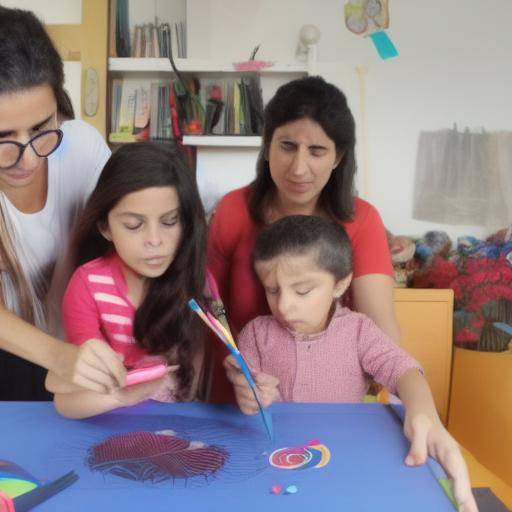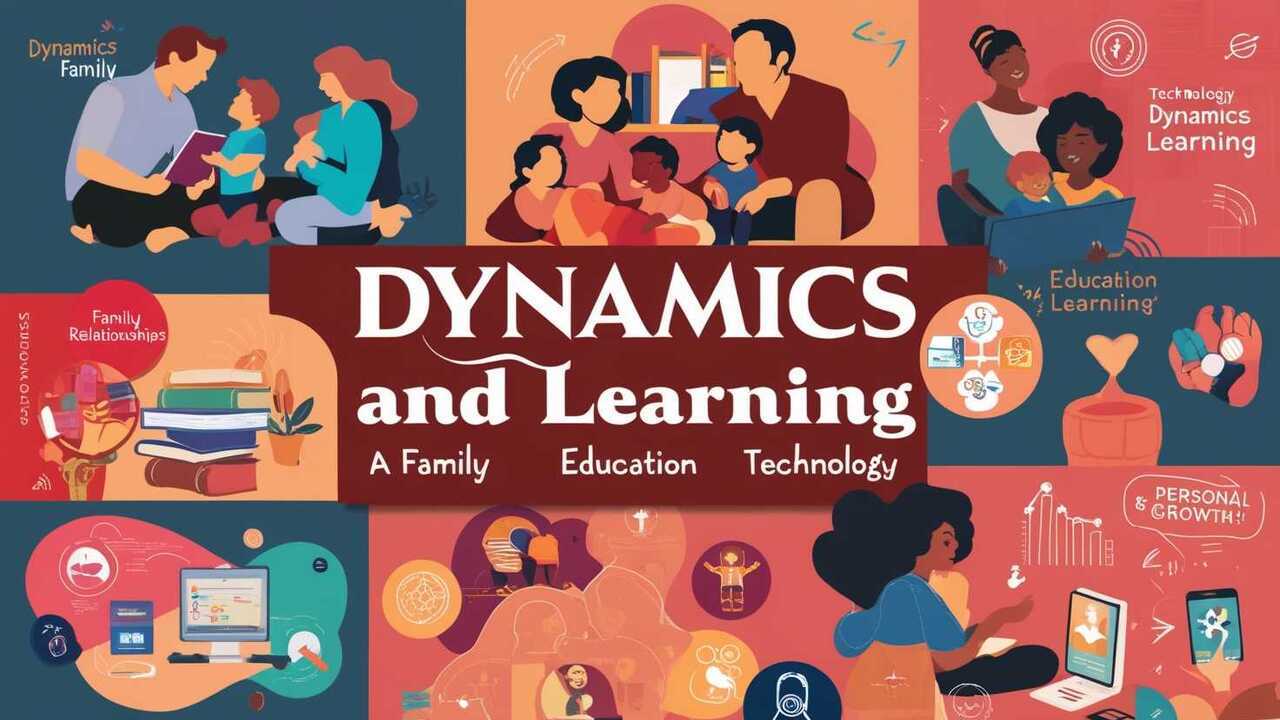

Teamwork is a form of collaboration that fosters creativity and learning in students of all ages. At present, it is widely recognized that teamwork not only improves problem solving capacity, but also promotes social and emotional skills. In this article, we will explore in detail the benefits of teamwork in student creativity, highlighting its importance, history, challenges, and practical advice. Join us on this journey and discover how teamwork can enhance the creativity of students.
History and Background
Teamwork has its roots in the primitive forms of human collaboration, where communities were united to achieve common goals. Since then, it has evolved significantly, becoming a fundamental practice in educational and professional environments. Over the years, many studies have shown how teamwork can boost student creativity and performance.
The modern concept of teamwork has benefited from influential figures that have contributed to its popularization, such as social psychologists Kurt Lewin and Bruce Tuckman, whose theories on group dynamics have laid the foundations for understanding how teams work. In addition, pioneering research in educational and organizational psychology has provided a deeper understanding of the benefits of teamwork in student creativity.
Deep analysis
Teamwork in the student field carries many benefits that go beyond simple collaboration. Some of the most outstanding advantages include:
- Promoting Diversity of Ideas: When students work as a team, they are exposed to different perspectives and approaches, which enriches the creative process by incorporating a variety of ideas.
- Social Skills Development: Through teamwork, students learn to communicate effectively, negotiate and resolve conflicts, skills that are fundamental not only in academic environments, but also in adult life.
- Personal growth: By contributing to team success, students experience a sense of achievement and membership, building confidence in their individual skills and competencies.
- Higher Motivation and Commitment: Team collaboration can be more exciting and motivating than individual work, which drives students to fully engage with tasks and projects.
Comprehensive review
The benefits of teamwork are reflected in numerous studies and cases of real life. For example, in a study conducted by Stanford University, it was observed that students involved in team projects showed a significant increase in creativity and problem solving compared to those who worked individually. In addition, under the approach of Howard Gardner's multi-intelligence theory, teamwork allows an effective integration of various individual skills and talents, which enriches creative solutions.
Comparative analysis
When comparing teamwork with individual work, it is clear that the first one favors creativity and learning in students. While individual work can be effective in certain circumstances, teamwork offers a platform for collaboration, exchange of ideas and personal and academic growth. The combination of unique skills, knowledge and perspectives can trigger innovative solutions to the challenges posed, which boosts creativity in the student environment.
Practical Tips and Recommendations
In implementing teamwork in educational settings, it is essential to pay attention to certain key aspects, such as the diversity of teams, the clarity in objectives and roles, the promotion of equity and inclusion, and the promotion of a climate of trust and respect. In addition, constructive feedback and the recognition of individual efforts are critical to creating an enabling environment for the development of creativity through teamwork.
Conclusion
In short, teamwork plays a crucial role in promoting student creativity. Through collaboration, students acquire interpersonal skills, expose themselves to greater diversity of ideas, and experience a sense of belonging and achievement. These benefits not only impact their academic performance, but also lay the foundation for their future success in working and social environments. By fostering teamwork, educational institutions can cultivate a creative spirit that will prepare students for the challenges of the 21st century.
Frequently asked questions
How can active participation in teamwork be encouraged?
Promoting active participation in teamwork requires establishing a safe and welcoming environment where each member feels valued and heard. In addition, assigning clear roles, promoting the diversity of ideas and providing constructive feedback are key elements in stimulating active participation.
What are the most common challenges of teamwork in student settings?
Some common challenges include conflict management, equitable sharing of tasks, time coordination and effective communication. Addressing these challenges will require a proactive approach and the implementation of strategies to foster a collaborative and productive environment.
How can you evaluate performance in teamwork?
The evaluation of performance in teamwork can be carried out through multiple channels, including observation of participation and individual contribution, quality of group deliveries, and feedback from peers and teachers. It is important to establish clear evaluation criteria that reflect both results and collaborative processes.
Can teamwork be beneficial to introverted students?
Yes, teamwork can be beneficial for introverted students, as it gives them the opportunity to contribute with their ideas in a more comfortable way, fosters gradual social interaction and helps them develop communication and group work skills.
How can equity be encouraged in teamwork?
Promoting equity in teamwork involves assigning roles and responsibilities in a fair manner, providing equal opportunities for participation and decision-making, and being vigilant to possible biases or exclusions to proactively address them.
What role does creativity play in teamwork?
Creativity is an essential component of teamwork, as it allows the generation of innovative solutions, side thinking, and the exploration of new approaches to the challenges posed. Promoting creativity in teamwork promotes the generation of ideas and the development of innovative projects.
As the importance of teamwork in student creativity is recognized, it is essential to implement effective strategies to maximize their benefits and mitigate their challenges. By cultivating an environment that fosters collaboration, diversity of ideas and the development of social skills, educational institutions can prepare students to face the challenges of the current world. Teamwork not only enhances student creativity, but also lays the foundation for a future of collaboration and shared success.