Introduction
A child's first years of life are fundamental to his/her cognitive, emotional and social development. In this regard, play activities play a crucial role in stimulating child creativity. In this article, we will explore the importance of playful activities in the development of creativity in children. In addition, we will analyze how these activities foster cognitive, emotional and social skills in a playing environment. Continue reading to discover how play activities can enhance the integral development of the youngest!
History and Background
The play activities, or games, have been an essential part of childhood throughout the history of humanity. From ancient civilizations to the present, the game has been a natural way of learning and exploration for children. In different cultures, we find evidence of the importance of playful activities in child development. Over the centuries, the role of play activities has evolved, increasingly recognizing their influence on the integral formation of children.
The Game as an Educative Tool
From the historical point of view, the game has been recognized as a powerful educational tool. In ancient Greece, for example, the philosopher Plato stressed the importance of the game in the formation of children, considering it an essential component in the development of social and cognitive abilities.
The Surgment of the Game Pedagogy
In the pedagogical sphere, the recognition of the value of playful activities in child education was consolidated with the creation of the pedagogy of the game at the end of the nineteenth century. Highlighted pedagogues, such as Friedrich Fröbel, María Montessori and Rudolf Steiner, contributed significantly to the development of play-centred educational approaches as a vehicle for learning and creativity.
Analysis in Deep
Fun activities not only provide fun and entertainment, but also play a key role in developing cognitive, emotional and social skills in children. We will then explore the benefits of play activities in each of these aspects:
Cognitive Development
The game is a powerful tool to promote cognitive development in childhood. During the game, children explore, experience and solve problems, which stimulates their critical thinking, creativity, problem solving and decision-making. In addition, the game promotes language development, mathematical understanding and early literacy.
Emotional Development
The game also plays a crucial role in the emotional development of children. Through the game, children explore and express their emotions, learn to regulate their behavior, manage stress and develop empathy towards others. The imaginative game, in particular, gives them the opportunity to represent different roles and scenarios, which contributes to their emotional and social development.
Social development
Fun activities promote social interaction and collaboration among children, which is essential for their social and emotional development. They learn to communicate, negotiate, resolve conflicts and work as a team, fundamental skills for their integration into society. The group game allows them to develop leadership, cooperation and solidarity skills.
Comprehensive review
At present, the recognition of the importance of playful activities in child development has impacted in different fields, from education to psychology and pedagogy. We will then explore applications, case studies and best practices related to play activities and child creativity:
Educational Approaches Based on the Game
Various pedagogical approaches, such as Montessori pedagogy, Waldorf pedagogy and Reggio Emilia approach, have significantly integrated play activities into their educational methodologies. These approaches recognize the game as a natural learning process that enhances curiosity, exploration and creativity in children.
Case Studies and Empirical Evidence
Numerous scientific studies support the benefits of play in child development. Research in development psychology, neuroscience and education have shown how play activities contribute to the integral development of children, enhancing their creativity, problem solving, social and emotional skills.
Best Practices and Educational Resources
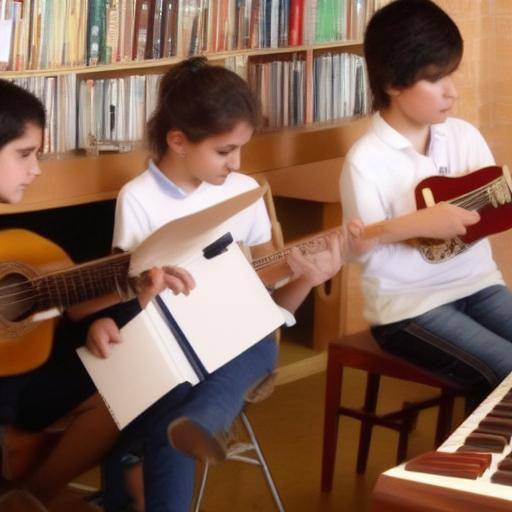
In the educational field, educational resources and materials have been developed that encourage the use of playful activities to stimulate imagination and creativity in children. Construction games, puzzles, artistic activities and music are examples of tools that promote the development of creative and cognitive skills in children.
Comparative analysis
By comparing the influence of play activities on child creativity, it is crucial to recognize the variety of approaches, contexts and discussions surrounding this issue. Then we will analyze the similarities, differences and synergies between play activities, the role and the creativity of children.
Similarities and Coincidences
Both playful activities and the role in child creativity focus on stimulating the integral development of the child. Both aspects seek to foster exploration, imagination and innovative thinking. In addition, both playful activities and the role in child creativity promote the holistic approach to learning, recognizing the importance of integrating cognitive, emotional and social aspects into the development of the child.
Complementary differences and perspectives
While playful activities and the role in child creativity share similar goals, there are differences in their approaches and applications. While playful activities focus on play as a learning engine, the role of child creativity encompasses a broader spectrum that encompasses the development of creative capacity in various fields, such as artistic expression, problem resolution and innovation.
Synergies and Integration Power
The play activities and the role of child creativity present significant synergies that can enhance the integral development of the child. The combination of games that stimulate the imagination and the development of creative skills with the promotion of artistic expression, for example, can create an enriching environment that enhances the integral growth of the child.
Practical Tips and Recommendations
If you want to promote child creativity through playful activities, here are some practical tips that can help you enrich the children's playing experience:
- It provides diverse materials: It offers a variety of materials for the game, such as building blocks, table games, artistic materials and toys that encourage exploration and discovery.
- It promotes outdoor play: Contact with nature and outdoor play gives children the opportunity to experience, explore and unfold in a natural environment, which enhances their creativity and curiosity.
- Stimulates the imagination: Provides time and space for the imaginative game, where children can develop scenarios, roles and situations that stimulate their creativity and communicative skills.
Conclusions and FAQs
Conclusions
In conclusion, play activities play a key role in the development of child creativity. Through the game, children not only explore and have fun, but also develop cognitive, emotional and social skills that lay the foundation for integral growth. Recognizing and promoting the role of playful activities in children is crucial to promoting optimal development in children.
We hope that this article has provided a comprehensive and enriching view on the importance of playful activities in the development of child creativity. If you have more questions about this topic, then you will find answers to some frequently asked questions.
Frequently asked questions
1. Why are playful activities for children important?
The play activities are fundamental to the integral development of children, as they foster their creativity, cognitive, emotional and social skills in a natural and fun way. The game is the way children explore the world, develop skills and establish social relationships.
2. To what extent do play activities influence the academic performance of children?
The game is an essential part of early learning. Through playful activities, children develop skills that are fundamental to their academic success, such as problem solving, creativity, collaboration and critical thinking.
3. How can I encourage creativity through playful activities at home or in the classroom?
Providing a rich environment in game and exploration opportunities is crucial to fostering creativity in children. Offering diverse materials, stimulating imagination, and providing time for free and spontaneous play are effective strategies to foster creativity through play activities.
4. What is the role of adults in promoting playful and creative activities in children?
Adults play a key role in providing an environment that encourages game and creativity. Supporting, participating and assessing children ' s play activities, as well as providing resources and opportunities for play, are key aspects of fostering their creativity.
5. Are there research that supports the importance of the game in child development?
Yes, there is a broad research base that supports the benefits of the game in child development. Studies in development psychology and neuroscience have shown that the game contributes significantly to the cognitive, emotional and social development of children.
6. What is the long-term impact of fostering creativity through playful activities in childhood?
Fostering creativity through playful activities in childhood can have a significant long-term impact, as it lays the foundation for the development of skills that are fundamental in adult life, such as problem solving, innovation and ability to adapt to new challenges.
We conclude here our exploration of the role of playful activities in child creativity. We hope this article has been informative and enlightening!