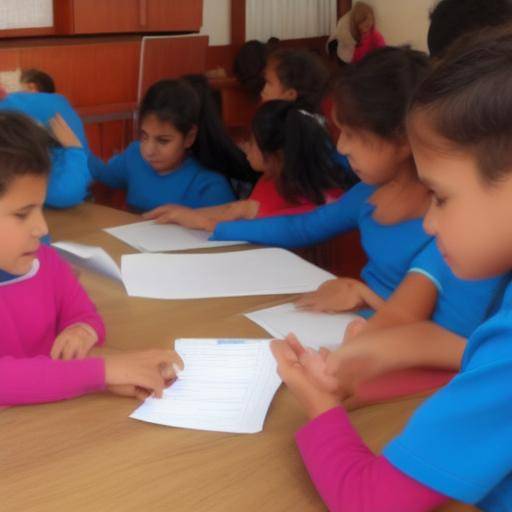
Learning through simulations has become a powerful educational tool that provides significant benefits for students of all ages. Simulations, which are virtual representations of real situations, allow students to experience and learn in a practical, immersive and dynamic way. In this article, we will explore the history, benefits, applications and future trends of using simulations in learning, as well as their impact on the educational process.
Introduction
Simulations have revolutionized the way it is taught and learned, providing students, educators and professionals a platform to explore and experience situations that would otherwise be difficult, costly or even dangerous to replicate in the real world. This immersive and practical approach offers benefits that drive the learning process, which is fundamental in a constantly evolving world.
In this article, we will present a detailed overview of the benefits of using simulations in learning, from their history and development to future trends. We will analyze your impact in various educational areas and at different stages of learning, providing an integral vision of this powerful educational tool.
History and Background
Simulations have their roots in the human need to understand and master complex situations. From the first attempts to simulate situations with rudimentary tools to the sophisticated current platforms driven by technology, simulations have experienced significant development over time. The history of simulations ranges from its origins in the military and aerospace industry to its adoption in medicine, education and other fields.
From the creation of the first models and simulators to the development of interactive virtual environments, simulations have evolved to provide increasingly realistic and engaging experiences. In this section, we will explore the historical impact and evolution of simulations, highlighting key milestones and influential figures in their development.
Analysis in Deep
Simulations offer a wide range of benefits that positively impact the learning process. From improving understanding and knowledge retention to developing practical skills and decision-making, simulations offer students a unique and effective learning experience.
In addition, simulations also present important challenges and considerations, such as the need for advanced technology, the creation of realistic scenarios and the evaluation of their effectiveness. In this section, we will examine in detail the benefits and challenges associated with the use of learning simulations, supported by data, case studies and expert testimonies in the field of education.
Comprehensive review
The use of simulations in learning extends to a variety of disciplines and educational contexts, from teaching technical skills in professional environments to understanding complex concepts in scientific and humanistic areas. Through examples and case studies, we will explore how simulations are applied in classrooms, vocational training and continuing education, demonstrating their versatility and effectiveness in different educational settings.
In addition, we will compare different approaches and methodologies for the implementation of simulations, considering best practices and strategies to maximize their impact on the learning process. In analyzing the pros and cons of various approaches, we will provide educators and training professionals with valuable resources to effectively integrate simulations into their educational programs.
Comparative analysis
The comparative analysis between simulations, benefits and learning allows us to highlight the crucial role that simulations play in improving learning. When examining how simulations enhance the educational process, we will identify the similarities, differences and possible synergies between these key elements.
By providing specific examples and scenarios, we will demonstrate how simulations enrich the learning process, promoting understanding, active participation and developing practical skills. This comparative analysis will allow us to fully appreciate the positive influence of learning simulations through the connection between these fundamental concepts.
Practical Tips and Accessible Tips
For those interested in incorporating simulations in educational or training environments, we will provide practical advice and actionable actions. Through detailed lists and step-by-step guides, we will provide guidance on the selection of simulation platforms, the creation of effective scenarios and the evaluation of the impact of simulations on educational performance.
These practical tips will enable educators and training professionals to implement simulations effectively, maximizing their potential to improve the quality and effectiveness of learning. By offering practical guidance based on experience and research, this segment will be a valuable tool for those seeking to integrate simulations into their educational programs.
Perceptions of Industry and Expert Reviews
Simulations continue to play an increasingly relevant role in a variety of industries, from vocational training to training in specialized areas. We will explore the perspectives of industry experts, who will share their visions about the current and future impact of simulations on educational and labor environments.
In addition, we will analyze emerging trends and future projections related to the use of simulations in learning, which will provide an integral vision of how this technology will transform the educational landscape in the coming years. Strategic approaches and expert perceptions will provide an informed view on the evolving role of learning simulations.
Case Studies and Real Life Applications
The effectiveness of learning simulations will be illustrated through detailed case studies that demonstrate their practical application in educational and professional environments. In presenting concrete examples of how simulations have improved training and learning in different fields, we will highlight the positive results and lessons learned from these experiences.
These case studies will contextualize the transformative impact of simulations, providing tangible examples of their usefulness and relevance in real situations. When analyzing applications in real life, we will highlight the unlimited potential of simulations to optimize learning in multiple scenarios and fields of knowledge.
Future Trends and Predictions
Simulations are constantly evolving, and their role in learning will continue to expand and transform into the future. By highlighting emerging trends and predictions related to the use of simulations in learning, we will provide an overview of how this technology will revolutionize the educational process in the coming years.
In addition, we will discuss the potential challenges and opportunities that will arise as simulations play a central role in education and training. This section will close the circle by providing an integral vision of the relevance and future potential of simulations in learning, consolidating its importance in the constantly changing educational landscape.
Conclusion
The use of simulations in learning offers significant benefits and has become an essential tool for improving the quality and effectiveness of the education process. Through our in-depth analysis, we have highlighted how simulations enrich understanding, promote active participation and develop practical skills, positively impacting learning in various contexts.
By summarizing the key points and strengthening the value of the information provided, we encourage educators, training professionals and students to explore and maximize the use of simulations as a powerful educational tool. Support for the implementation and effective use of simulations in educational and professional environments will help to optimize the learning process and prepare students for the challenges of the 21st century.
Frequently asked questions
What are simulations in learning?
Simulations in learning are virtual representations of real situations that allow students to experience and learn in a practical, immersive and dynamic way.
What are the benefits of learning simulations?
Benefits include improving understanding and knowledge retention, developing practical skills, promoting active participation and decision-making, among others.
How do simulations apply in educational settings?
Simulations are applied in educational environments through platforms and software specifically designed to provide immersive and realistic experiences that complement traditional learning.
What are the challenges associated with the use of simulations in learning?
Some challenges include the need for advanced technology, the creation of realistic scenarios and the evaluation of their effectiveness in the educational process.
What educational areas are simulations used most often?
Simulations are most often used in fields such as medicine, science, engineering, vocational training and business simulation.
What are future trends related to the use of simulations in learning?
Future trends include the integration of virtual reality and increased in simulations, the development of more sophisticated interactive platforms and the expansion of their use in different educational disciplines.
Concluding, the use of simulations in learning represents a significant evolution in the way knowledge and skills are acquired. Futuremos towards a more interactive, practical and engaging educational approach, simulations will continue to play a crucial role in improving learning, thus enriching the educational experience as a whole.