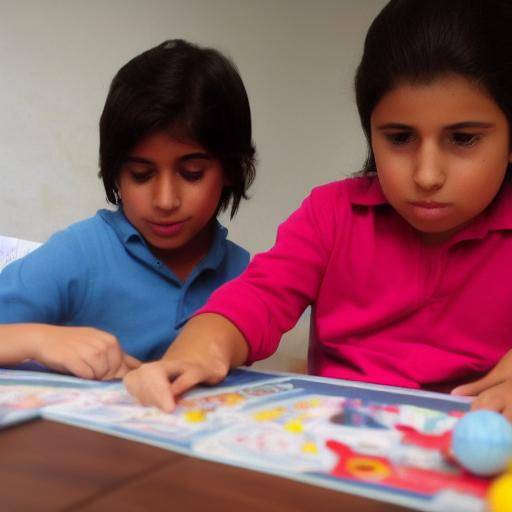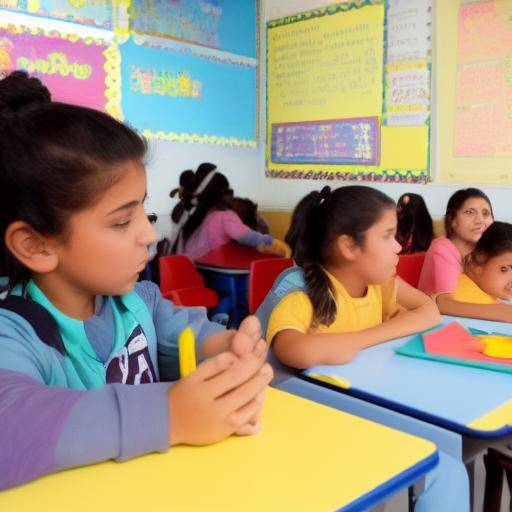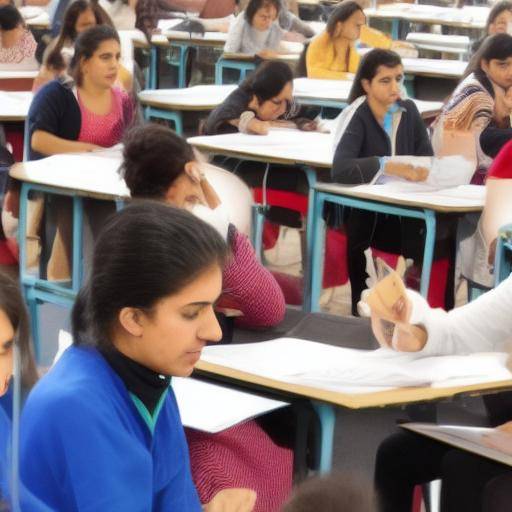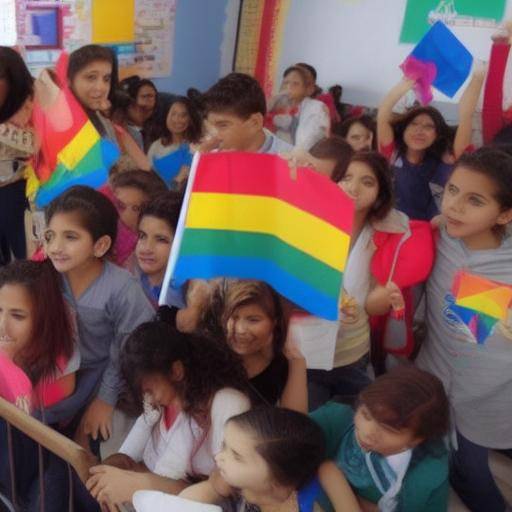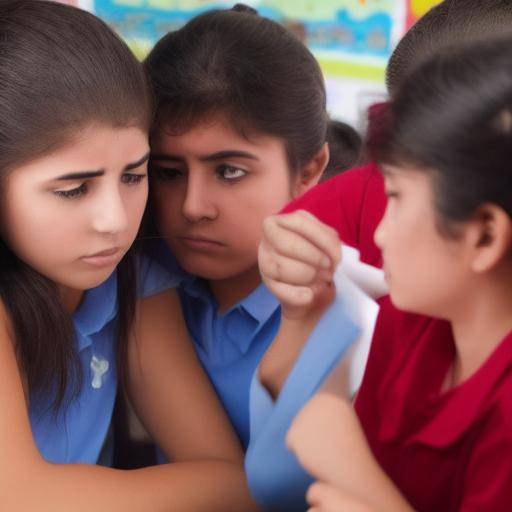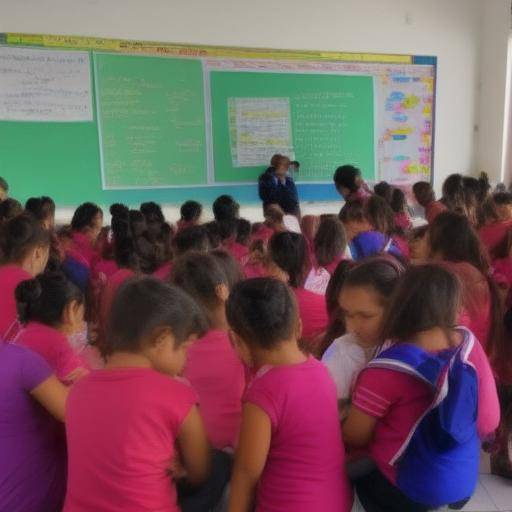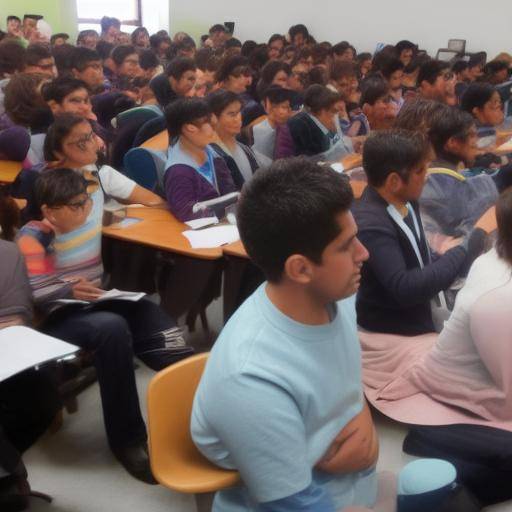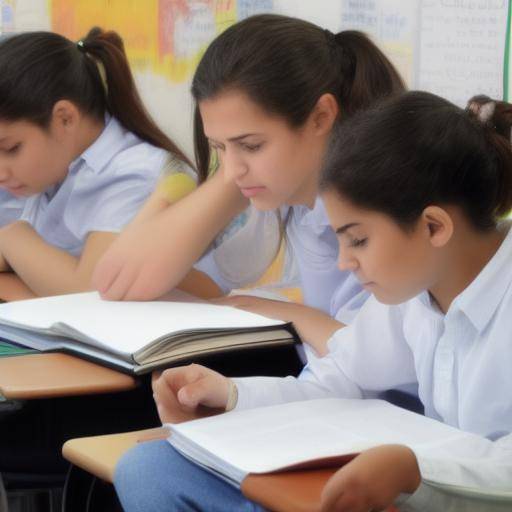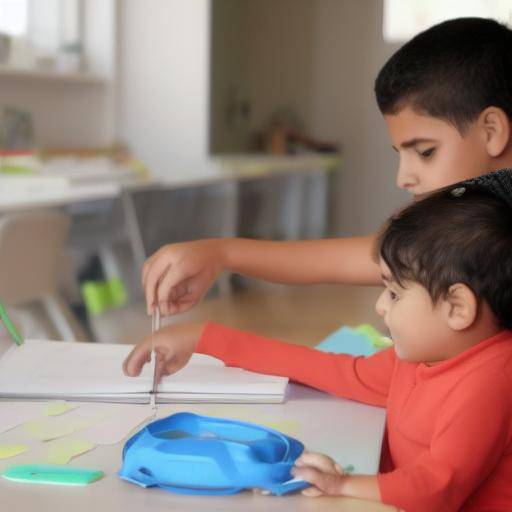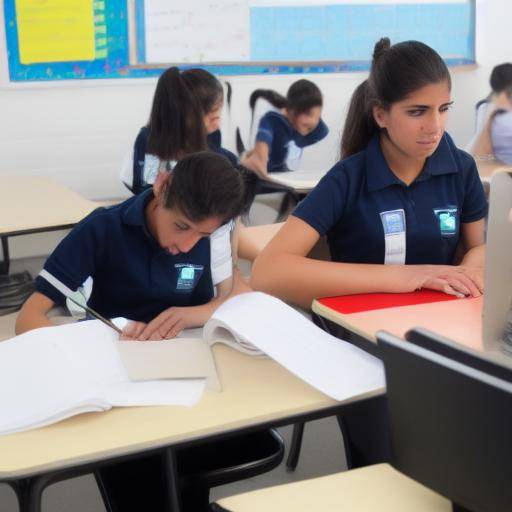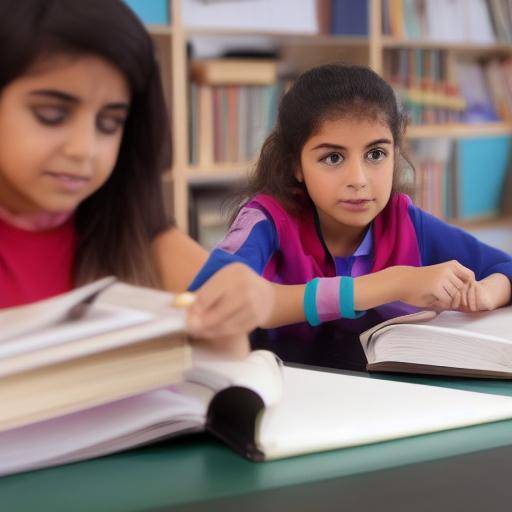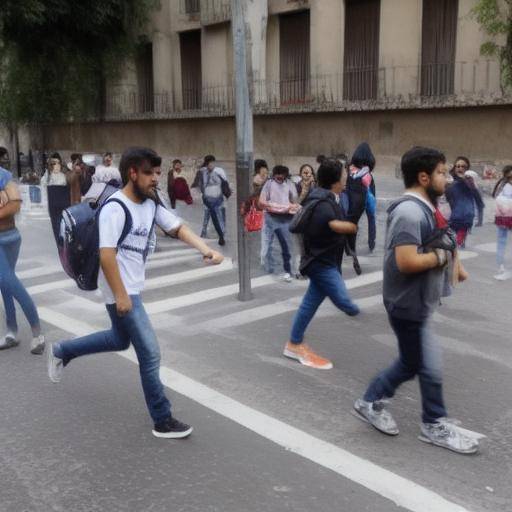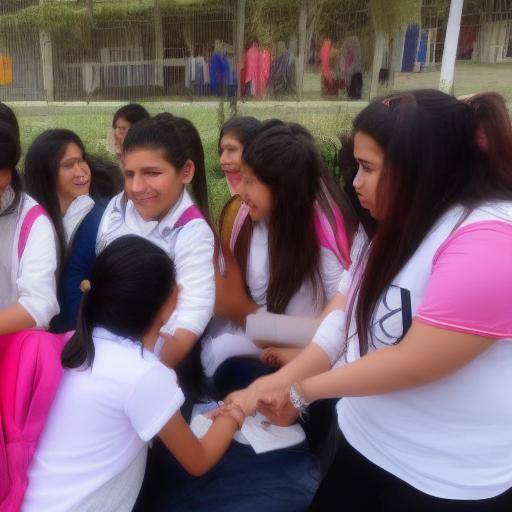
Cultural diversity is an essential component of our globalized and multicultural society. In an educational environment, it is crucial to teach students about cultural diversity to promote respect, understanding and empathy towards different forms of life. In this article, we will explore effective strategies for the teaching of cultural diversity in secondary education. From its history and background to future trends and predictions, we will provide an integral vision of this crucial issue. We will also provide practical advice, expert opinions, case studies and answers to frequently asked questions to enrich your understanding.
History and Background
Cultural diversity has a rich and complex history that goes back to the first human interactions. Throughout the centuries, humanity has experienced cultural exchanges, migrations and conflicts that have shaped the cultural diversity that we now observe. From the first trade routes to the era of globalization, cultural diversity has constantly evolved, influenced by historical, political, economic and social factors.
In exploring the background of cultural diversity, it is essential to understand its impact on individual and collective identities. The interaction between different cultures has led to the wealth of artistic expressions, culinary traditions, languages and customs that enrich our understanding of the world.
In this context, the teaching of cultural diversity in secondary education becomes essential to cultivate acceptance and mutual understanding among students of different backgrounds.
Analysis in Deep
In considering cultural diversity in the educational environment, it is crucial to examine the associated advantages and challenges. Exposure to different cultures promotes the capacity of empathy, critical thinking and tolerance. However, the need to address stereotypes, prejudices and linguistic barriers that may hinder integration and inclusion may also arise.
A comprehensive approach to addressing cultural diversity in secondary education implies consideration of current trends. The growing diversity of students, the rise in intercultural education and the influence of technology in promoting global understanding represent key aspects that need to be addressed in educational programmes.
Comprehensive review
In exploring the practical applications of strategies for the teaching of cultural diversity in secondary education, it is essential to analyse case studies and best practices. The active participation of students in intercultural activities, the development of inclusive educational programmes and collaboration with the local community are effective approaches that have demonstrated their effectiveness in promoting the appreciation of cultural diversity.
It is crucial to consider multiple perspectives and expert views in assessing approaches to addressing cultural diversity in secondary education. Collaboration with experts in intercultural studies, anthropology and educational psychology can enrich the understanding of educators and contribute to the implementation of effective strategies.
Comparative analysis
A comparative analysis of strategies for the teaching of cultural diversity in secondary education can reveal similarities, differences and synergies between pedagogical approaches. In considering cultural diversity in different educational contexts, such as urban and rural environments, it is possible to identify common points and adapt strategies to meet the specific needs of students.
The integration of cultural diversity into the curriculum and teaching methodologies can also vary according to the geographical, demographic and cultural context. Through concrete examples, it is possible to illustrate the relevance and impact of strategies adopted in different educational settings.
Practical Tips and Accessible Guidance
By implementing strategies for the teaching of cultural diversity in secondary education, it is essential to provide practical guidance and actionable advice for educators. Establishing inclusive learning environments, fostering intercultural dialogue and promoting cultural sensitivity are key areas that require attention. The use of diverse educational resources, the integration of multiculturalism in subjects and the organization of intercultural activities are effective strategies that can enrich the educational experience of students.
Industrial Perspectives and Expert Reviews
The views of experts in the field of education, cultural psychology and pedagogy can offer valuable insights on the teaching of cultural diversity in secondary schools. Understanding current trends, the expectations of employers in diverse working environments and the intercultural skills necessary for professional success can enrich the overall view of the importance of intercultural education in the preparation of young people for the world of work.
Case Studies and Practical Applications
Case studies that illustrate the effective implementation of strategies for the teaching of cultural diversity in secondary educational settings offer concrete examples and tangible results of successful implementation of intercultural programmes. Analyzing the experiences of different schools, their pedagogical approaches, challenges and achievements can inspire other educators to adopt innovative and effective strategies in their own educational environments.
Future Trends and Predictions
The future of teaching cultural diversity in secondary education is closely linked to emerging trends in global society. Technological advancement, global interconnection and the evolution of cultural dynamics will boost the need to continuously adapt educational strategies to effectively address cultural diversity. Predicting future demands and opportunities in the field of intercultural education can guide the formulation of educational policies and curricular planning to prepare future generations to live and work in culturally diverse environments.
Conclusions
In short, the teaching of cultural diversity in secondary education requires a committed, inclusive and adaptive approach. In addressing historical backgrounds, contemporary challenges, effective strategies and future trends, educators can play a key role in promoting cultural diversity and building inclusive and respectful societies. In fostering the appreciation of cultural diversity among students, the foundations are laid for the development of global citizens who value and celebrate the richness of cultural expressions in the world.
Frequently asked questions
Why is it important to teach cultural diversity in secondary education?
The teaching of cultural diversity in secondary education is crucial to promoting understanding, tolerance and respect for different cultures. It also prepares students to live and work in multicultural environments
What are some effective strategies to teach cultural diversity in high school classrooms?
Some effective strategies include the integration of multiculturalism into the curriculum, the organization of intercultural activities, the promotion of open dialogue on cultural issues and the use of diverse educational resources.
How can educators address the challenges of cultural diversity in high school classrooms?
Educators can address the challenges of cultural diversity in secondary school classrooms through cultural awareness, promotion of mutual respect, identification and overcoming prejudices, and creation of inclusive learning environments.
How can students benefit from an educational environment that values cultural diversity?
Students can benefit from an educational environment that values cultural diversity by developing skills of empathy, critical thinking and adaptability, as well as by acquiring a deeper understanding of the world around them and of diverse perspectives.
What role do families play in supporting the teaching of cultural diversity in secondary education?
Families can play a crucial role in supporting the teaching of cultural diversity by fostering openness to intercultural dialogue, sharing family traditions and promoting respect for different cultures at home.
What is the long-term impact of the teaching of cultural diversity in secondary education?
The teaching of cultural diversity in secondary education can have a long-term positive impact by contributing to the formation of globally conscious citizens, promoting social and labour integration, and fostering the construction of inclusive societies.
In conclusion, the teaching of cultural diversity in secondary education represents a commitment to equity, inclusion and mutual understanding in a diverse and constantly changing world. By adopting effective strategies, fostering intercultural dialogue and promoting respect for differences, educators can play a vital role in building an educational environment that prepares students to be competent and compassionate global citizens.