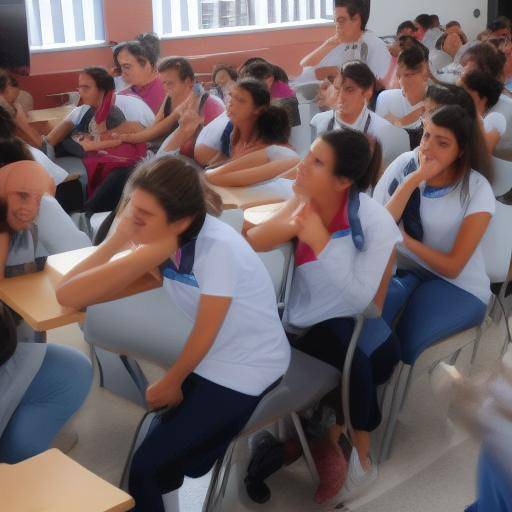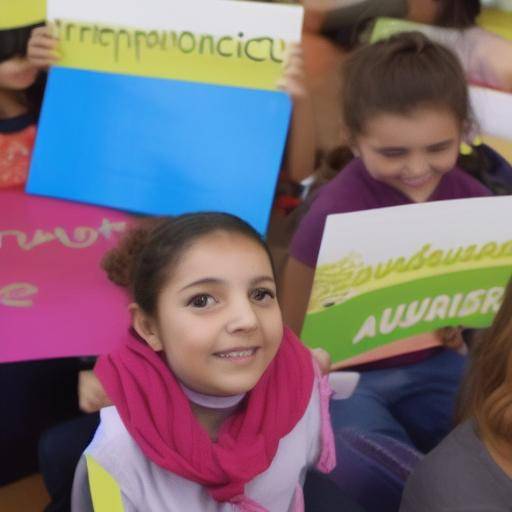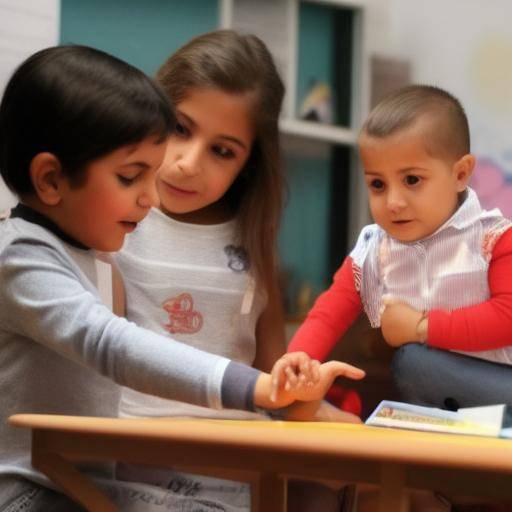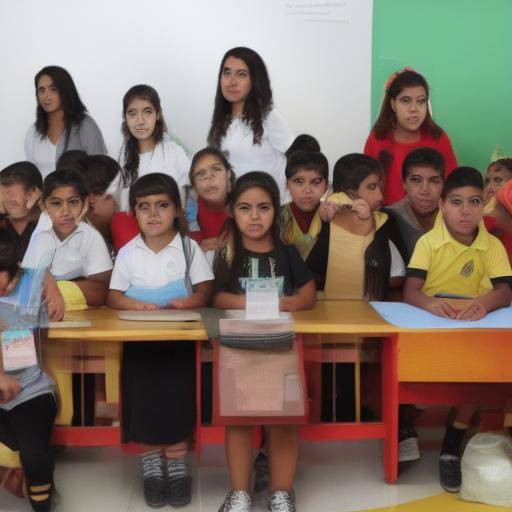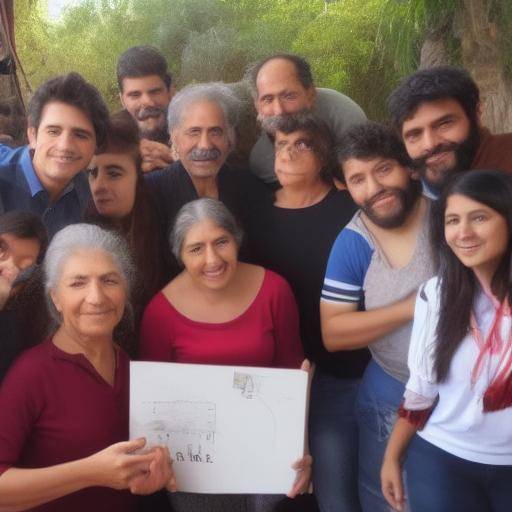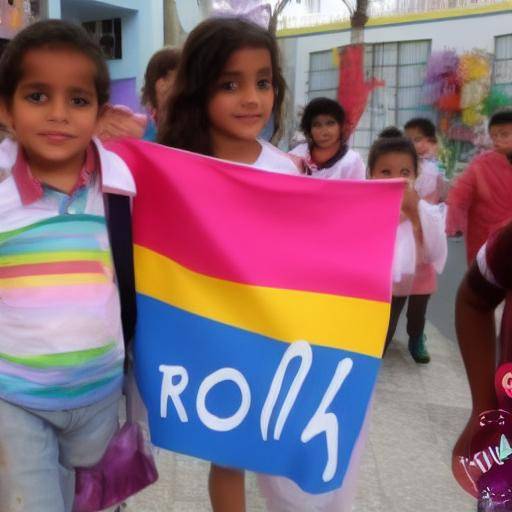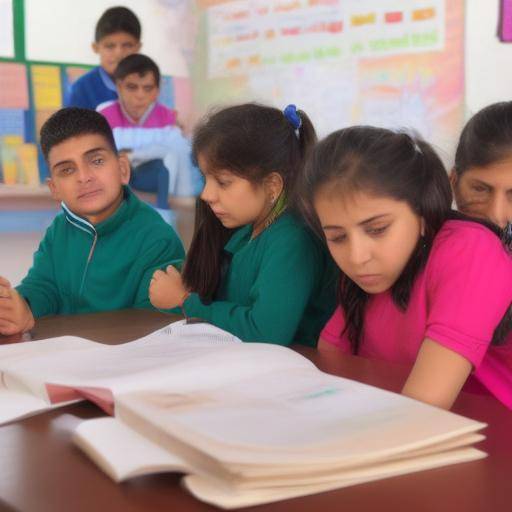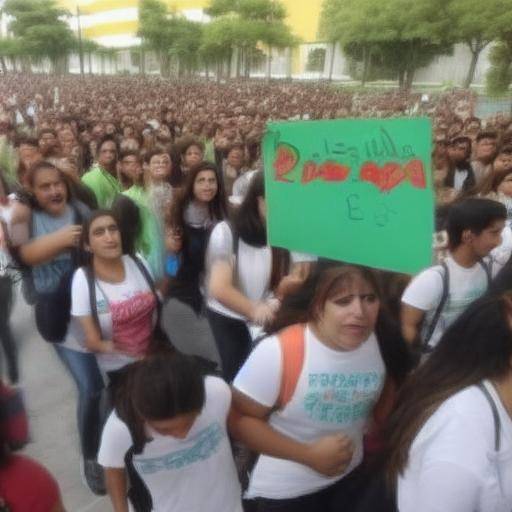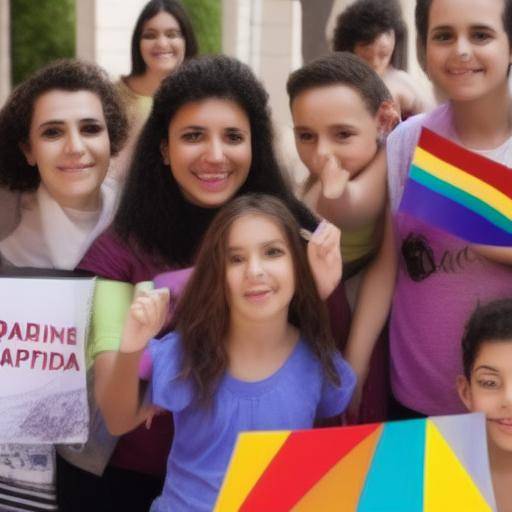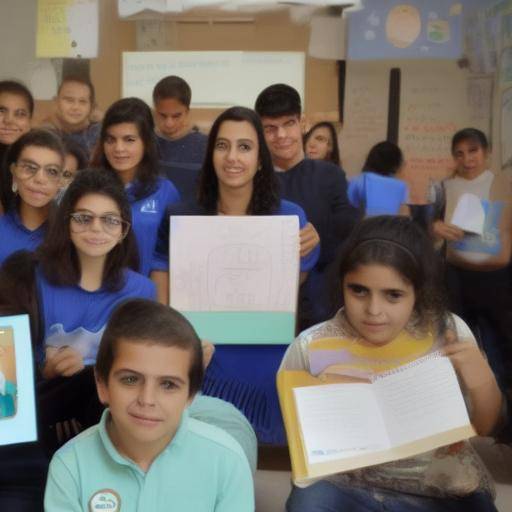
Cultural diversity in school events is a subject of great importance in today's society. The inclusion of all cultures in the school environment not only enriches the educational experience of students, but also promotes respect, empathy and understanding among individuals of different origins. In this article, we will explore effective resources, strategies and practices to support cultural diversity in school events, with the aim of promoting an inclusive and enriching environment for all students, parents and educators.
Introduction
Supporting cultural diversity in school events is essential to fostering respect and inclusion in the educational field. School events, such as cultural festivals, celebration days and thematic activities, provide opportunities to promote diversity and celebrate the different traditions, customs and values of the communities represented at school. In this regard, it is crucial to have resources and strategies that guarantee equitable representation and respect for all cultures present in the school environment.
History and Background
The history of cultural diversity in school events is rooted in the need to promote inclusiveness and mutual respect in an increasingly interconnected world. From the first attempts to celebrate diversity in the school environment to current multicultural integration initiatives, there has been an evolutionary process in the way cultural diversity is perceived and valued in the educational context.
Significant developments
Over the years, there have been significant developments that have marked the path to inclusion and support for cultural diversity in school events. From the adoption of educational policies that promote diversity to the implementation of cultural exchange programmes, efforts to enrich the school experience through the representation and recognition of diverse cultures have been fundamental to the advancement of multicultural education.
Detailed Analysis
Support for cultural diversity in school events entails a number of current benefits, challenges and trends that merit detailed analysis. The implementation of effective strategies to promote cultural diversity requires understanding the most relevant aspects of this topic.
Benefits
- Promotion of Respect and empathy: Celebrating cultural diversity promotes respect and empathy among students, helping them to understand and value cultural differences.
- Intercultural Learning: Cultural events provide an opportunity for students to learn about different traditions and customs, enriching their knowledge and perspective of the world.
- Inclusion and Representation: These events ensure that all cultures present in the school community feel valued and represented, promoting a sense of belonging among students.
Challenges
- Management of Cultural Conflicts: Diversity can bring with it cultural conflicts that must be managed with sensitivity and understanding.
- Resources and Tools: The effective implementation of inclusive cultural events requires adequate resources and tools that enable the real and meaningful representation of all cultures.
- Participation and Commitment: Ensuring the active participation of all members of the school community can be a challenge, especially when it comes to equitably representing all cultures.
Comprehensive review
Practical Applications
- Cultural Festivals: Organize festivals where different cultures are celebrated with food, music, dances and artistic exhibitions.
- Days of Celebration: Designate specific days to celebrate particular cultures, where students can learn about the traditions and customs of their peers.
- Thematic Activities: Integrate thematic activities into the school curriculum that allow students to explore and understand different cultures.
Case studies
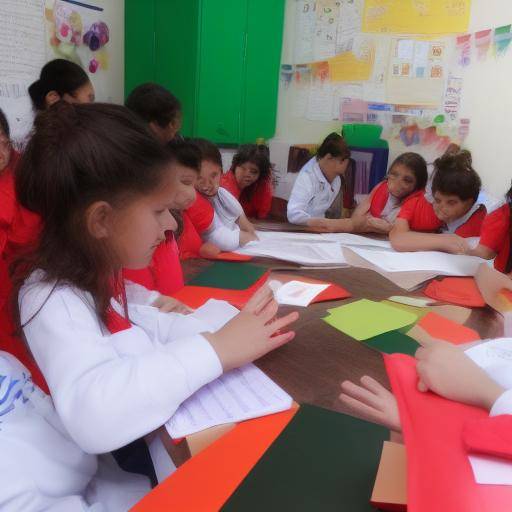
- Example 1: Festival of Cultures at the XYZ Primary School: This school organized an annual festival where each class represented a different culture. Students researched and presented aspects of the assigned culture, promoting deep learning and appreciation of diversity.
- Example 2: International Day at ABC Secondary School: The school dedicated one day to celebrating international diversity with activities such as traditional costume parades, food tastings and cultural presentations, involving students, parents and community members.
Best Practices
- Inclusion of Community: involve parents and community members in planning and implementing cultural events.
- Continuous education: Integrate cultural diversity education into the regular curriculum, not only during specific events.
- Cultural sensitivity: Ensure that all cultural representations are accurate and respectful, avoiding stereotypes and generalizations.
Conclusions and FAQs
Conclusions
In a diverse and multicultural world, school events represent a unique opportunity to promote inclusion and respect for all cultures present in the educational community. Through resources, strategies and practices that support cultural diversity, it is possible to create enriching and welcoming school environments for all.
Frequently asked questions
- Why is it important to support cultural diversity in school events?
- Supporting cultural diversity promotes respect, empathy and intercultural learning, enriching educational experience and creating an inclusive environment.
- How can the equal representation of all cultures be guaranteed at school events?
- Involving the school community in planning, ensuring that all voices are heard and represented, and providing adequate resources for authentic cultural representation.
- What challenges can arise when organizing inclusive cultural events?
- Some challenges include the management of cultural conflicts, the need for adequate resources and the active participation of all members of the school community.
- What are the benefits of cultural diversity in schools?
- Benefits include the promotion of respect and empathy, the enrichment of intercultural learning and the inclusion and representation of all cultures present in the school community.
By implementing these strategies and resources, schools can celebrate cultural diversity in a meaningful and effective way, creating an educational environment that values and respects all cultures.