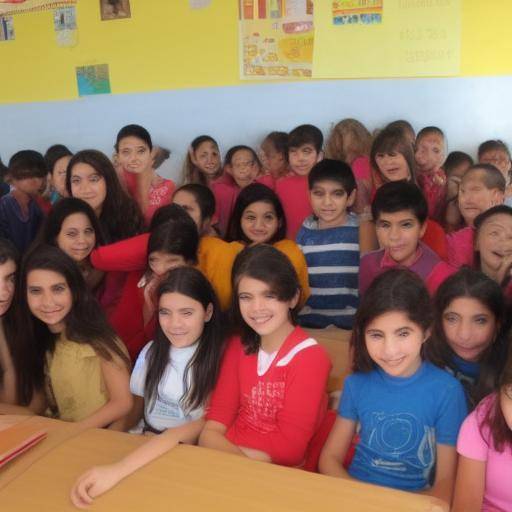
Cultural diversity in the school environment is an increasingly important issue in contemporary society. Understanding the benefits of this diversity in schools is crucial to promoting an environment in which all students feel valued and respected. In this article, we will thoroughly explore the benefits of cultural diversity in school coexistence, analyze its historical and current importance, provide practical advice and provide an overview of future trends.
Introduction
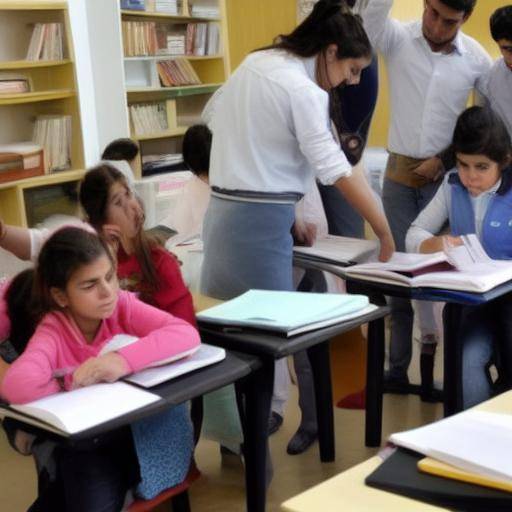
School coexistence refers to the interaction between all members of the educational community in an environment of respect, tolerance and mutual support. Cultural diversity, for its part, is manifested through the different traditions, customs, languages, religions and ways of thinking that students contribute from their homes. Integrating and value this diversity in the school environment not only enriches the educational experience, but also prepares students for a globalized and multicultural society.
History and Background
Cultural diversity has been an integral part of society since time immemorial. In the educational field, the assessment of diversity has evolved significantly throughout history. In the past, cases of discrimination and exclusion based on cultural differences can be identified. Over time, however, the value of diversity has been increasingly recognized in all aspects of life, including education. At present, cultural diversity is considered essential for the comprehensive training of students, as well as to promote peaceful and enriching coexistence in school settings.
Detailed Analysis
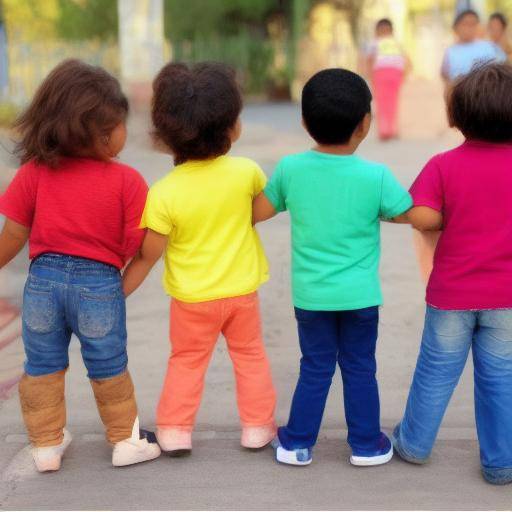
Cultural diversity in school coexistence brings significant benefits to all students. First, it promotes respect and tolerance for differences, which contributes to reducing discriminatory attitudes. It also provides an opportunity to learn about different cultures, languages and traditions, which enriches educational experience and promotes empathy. Diversity also stimulates critical thinking and problem solving by exposing students to different perspectives and approaches. All this contributes to the formation of global citizens and the preparation for life in a diverse and multicultural society.
Comprehensive review
To maximize the benefits of cultural diversity in school coexistence, it is crucial to actively incorporate it into the educational curriculum. The implementation of programmes that foster intercultural understanding, the exchange of experiences and open dialogue is fundamental. In addition, the establishment of inclusive policies and practices, which recognize and value differences, is essential to promoting a school environment where everyone feels welcome and part of the educational community.
Comparative analysis
Cultural diversity and school coexistence are intrinsically related, as the former directly influences the latter. By recognizing and celebrating diversity, an environment of respect and tolerance is promoted, laying the foundations for harmonious and enriching coexistence. Both are fundamental to the integral development of students and to prepare them for life in a diverse and globalized society.
Practical Tips and Accessible Recommendations
Here are some practical recommendations to effectively incorporate cultural diversity in school coexistence:
- Promote the celebration of cultural festivals and traditions.
- Integrate literature and educational materials that represent cultural diversity.
- Encourage the active participation of students in intercultural discussions and collaborative activities.
- Provide specific support and resources for students from different cultural contexts.
Conclusions and FAQs
In short, cultural diversity brings countless benefits to school coexistence, promoting respect, latolerance, understanding and empathy among students. In assessing and celebrating differences, schools can create enriching environments that prepare students for a diverse and multicultural society.
FAQs
1. Why is cultural diversity important in school coexistence?
Cultural diversity enriches the educational experience by exposing students to different perspectives and traditions, promoting empathy and respect for differences.
2. How can schools promote inclusive school coexistence?
Schools can foster inclusive coexistence by implementing programmes that promote intercultural understanding, open dialogue and recognition of differences.
3. What benefits does school coexistence bring in culturally diverse environments?
School coexistence in culturally diverse environments fosters tolerance, critical thinking and empathy, and prepares students to integrate into a globalized society.
4. What is the role of the educational curriculum in promoting cultural diversity?
The educational curriculum must actively integrate cultural diversity, including literature, educational material and activities that represent the diversity of traditions, languages and perspectives.
5. How does cultural diversity impact the formation of global citizens?
Cultural diversity promotes the formation of global citizens by preparing students to interact in a respectful and meaningful way in multicultural settings, fostering intercultural and communication skills.
6. What are some examples of effective practices to incorporate cultural diversity into school coexistence?
The promotion of cultural festivities and traditions, the integration of diverse educational materials and active participation in intercultural activities are examples of effective practices to incorporate cultural diversity into school coexistence.
In conclusion, cultural diversity in school coexistence not only enriches educational experience, but also prepares students for a diverse and globalized society. To value and celebrate cultural differences contributes to the formation of global citizens, promoting tolerance, respect and empathy. By actively incorporating cultural diversity in the school environment, they lay the foundation for peaceful and enriching coexistence, offering students the opportunity to grow in an inclusive and diverse environment.