Cultural diversity plays a key role in identity formation. The wealth that comes from diverse cultures around the world offers a multiplicity of benefits that positively influence the construction of our identity both individually and collectively. In this article, we will explore in detail the benefits of cultural diversity in identity formation, history, deep analysis, comparative perspectives, practical advice, and future predictions.
Introduction
Cultural diversity has become a relevant issue in an increasingly globalized world. This diversity encompasses a wide range of values, traditions, beliefs and forms of expression that enrich human interactions. On the other hand, identity formation is a personal and social process involving the construction of a solid self-image.
History and Background
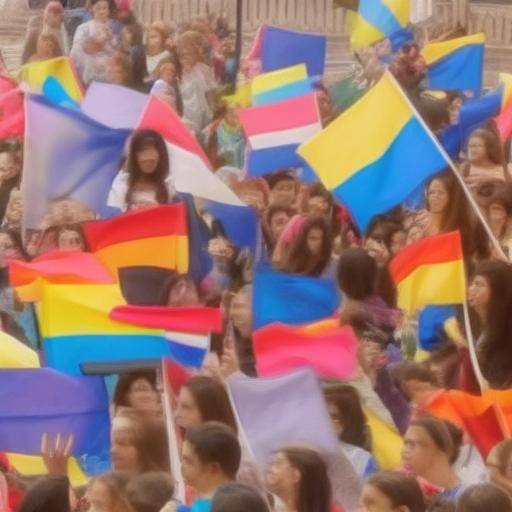
Cultural diversity has existed since ancient times, manifesting itself in the different civilizations that have populated the Earth throughout history. From the old trade routes connecting continents, to the migratory movements that have shaped the current demographic map, cultural diversity has been a constant factor in the evolution of human society.
Exploring the origins and evolution of cultural diversity allows us to better understand the wealth it brings to identity formation. Over the course of time, diverse cultures have converged, exchanged knowledge, and added experiences, which has enriched the cultural acquis of humanity.
Deep analysis
Cultural diversity enriches identity formation by broadening the picture of life possibilities and alternatives. Being exposed to different forms of thought, customs and artistic expressions, we broaden our vision of the world and enrich ourselves as individuals.
Interaction with people from different cultures helps us to question our own prejudices and stereotypes, allowing us to unlearn limiting notions and build a more inclusive and flexible identity. In addition, cultural diversity promotes respect, tolerance and empathy, fundamental values in building a solid identity and peaceful coexistence in diverse societies.
Comprehensive Review - Applications and Best Practices
Cultural diversity not only enriches identity formation at the individual level, but also provides countless benefits at the collective level. In labour, educational and social environments, cultural diversity fosters creativity, innovation, and global understanding. Organizations that value and foster cultural diversity are often more successful in solving complex problems and adapting to changing environments.
Comparative analysis
Cultural diversity and identity formation are closely intertwined, as personal identity is shaped by the different cultural influences to which we are exposed throughout our lives. However, it is important to note that cultural diversity is not only limited to the interaction between individuals of different origins, but also involves the recognition and appreciation of their own cultures.
Practical Tips and Accessible Advice
In order to promote the assessment of cultural diversity in identity formation, it is essential to promote intercultural dialogue, inclusive education, and equitable access to cultural resources. These steps help to build strong and cohesive identities in diverse environments, promoting peaceful coexistence and mutual understanding.
Perceptions of Industry and Expert Reviews
Experts in the field of sociology, anthropology, psychology, and other related disciplines agree that cultural diversity plays a crucial role in identity formation. These visions provide a profound understanding of the complexities and benefits of cultural diversity in individual and collective identity.
In short, cultural diversity has a significant impact on identity formation, generating benefits both individually and collectively. By understanding and assessing the multiplicity of cultures present in the world, we can enrich our own identity and contribute to the construction of more inclusive and respectful societies. Cultural diversity is not only a reflection of humanity, but also an inexhaustible source of benefits that enrich our lives on a personal, social, cultural and economic level.
Frequently asked questions
1. How does cultural diversity influence identity formation?
Cultural diversity provides a wide range of perspectives, values and customs that enrich the building of personal and collective identity. Interaction with different cultures broadens our vision of the world and allows us to question and enrich our own identity.
2. Why is it important to promote cultural diversity in educational settings?
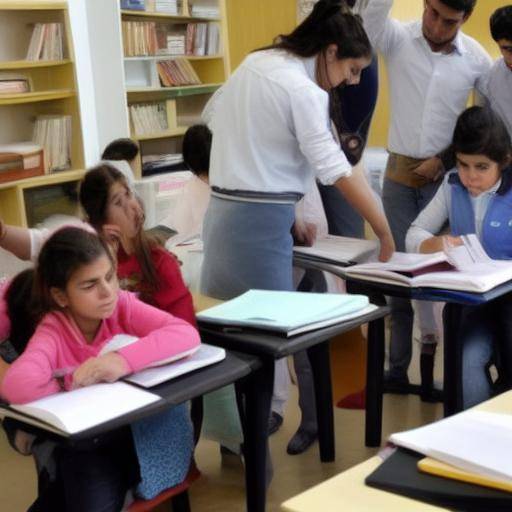
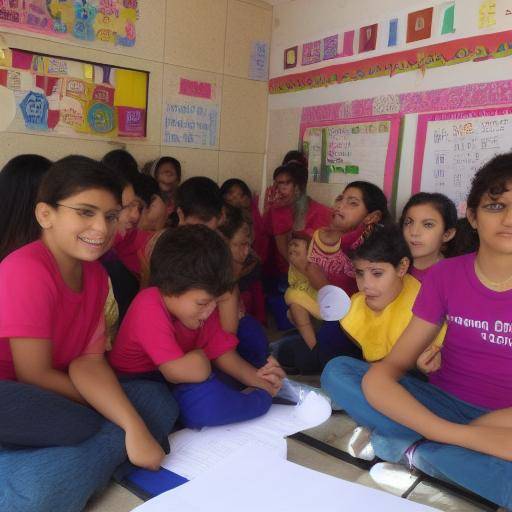
Promoting cultural diversity in educational environments not only enriches the learning experience of students, but also prepares future generations to live in diverse societies, fostering tolerance, respect and mutual understanding.
3. How can cultural diversity contribute to economic development?
Cultural diversity fosters creativity, innovation and global understanding, fundamental elements in an increasingly global business and economic environment. Organizations that value and foster cultural diversity are often more adaptable and successful in changing environments.
4. What are the main challenges associated with cultural diversity?
While cultural diversity brings countless benefits, there are associated challenges, such as discrimination, the clash of cultures and social exclusion. Overcoming these challenges requires continued commitment to the promotion of intercultural dialogue, equity and respect.
5. How can we encourage the assessment of cultural diversity in everyday life?
Promoting the assessment of cultural diversity in everyday life means recognizing and assessing the different cultural manifestations present in our society, fostering intercultural dialogue and participating in events and activities that promote mutual understanding.
6. What are the current trends related to cultural diversity and identity formation?
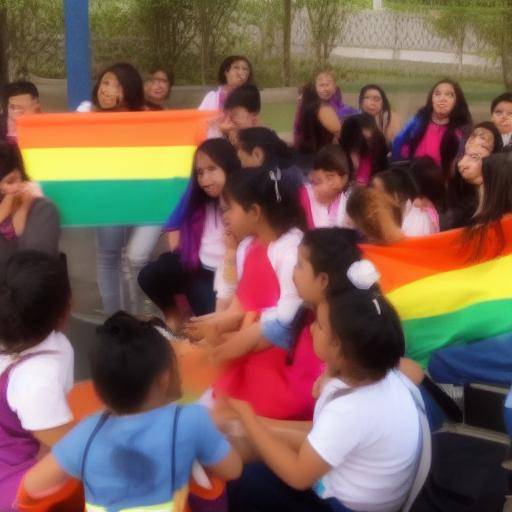
Current trends highlight the importance of inclusion, equity and diversity in all areas of society, from educational and labour environments to the public sphere. The momentum of inclusive policies and practices reflects a commitment to building cohesive and respectful societies of cultural diversity.
In conclusion, cultural diversity significantly benefits identity formation, providing a wealth of perspectives, values and experiences that enrich both personally and collectively. Promoting the valuation of cultural diversity is essential for building strong identities and building inclusive and respectful societies.
With this article, we aim to highlight the importance of cultural diversity in identity formation and provide an integral vision of its current benefits, challenges and trends. The promotion of cultural diversity is key to building a future in which the wealth of our differences is celebrated and valued.