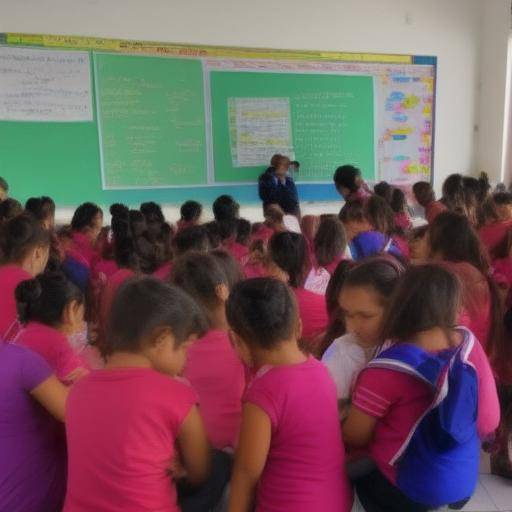

Cultural diversity is an inherent characteristic of contemporary society. In an increasingly globalized world, it is crucial that education reflect and celebrate such diversity. Effective integration of cultural diversity in the curriculum not only enriches the educational experience of students, but also promotes intercultural understanding and equity. In this article, we will explore effective strategies to include cultural diversity in the curriculum, its importance, challenges and future trends. In addition, we will provide practical advice, case studies and expert opinions to guide educators and educational policymakers in this crucial endeavour.
Introduction
Cultural diversity in the educational context is not limited to the inclusion of different cultures, languages and traditions; it also implies recognition and respect for the different perspectives and realities that enrich the social fabric of the educational communities. The effective inclusion of cultural diversity not only enriches education, but also prepares students to live and work in a diverse world.
History and Background
The inclusion of cultural diversity in the curriculum has deep historical roots, dating from civil rights movements and the struggle for equity and social justice. Over the years, there has been a significant evolution in understanding and implementing effective strategies to promote cultural diversity in the educational field. Since the recognition of diversity as an asset in the classroom to the integration of intercultural themes in different areas of the curriculum, significant progress has been made.
Important Developments
- Recognition of diversity as an educational asset: As the understanding of cultural diversity has evolved, it has become increasingly recognized as a positive asset in the educational environment.
- Integration of intercultural themes in the curriculum: Efforts to include cultural diversity are not limited to a specific area, but have spread to various subjects, reflecting a more holistic understanding of their importance.
- Impulsed by educational equityThe inclusion of cultural diversity is also closely linked to efforts to achieve greater equity in education, addressing disparities and inequalities in access to educational opportunities.
Analysis in Deep
The effective inclusion of cultural diversity in the educational curriculum brings with it a number of benefits, but it also poses important challenges that need to be addressed through sound strategies. It is essential to understand both the benefits and the challenges to effectively implement cultural diversity within the curriculum.
Comprehensive review
The inclusion of cultural diversity in the curriculum is not only limited to theory; it is also crucial to explore its practical application. Understanding how these strategies have been successfully implemented in various educational communities, valuable lessons and best practices can be drawn.
Comparative analysis
The effective integration of cultural diversity into the curriculum requires a detailed understanding of strategies, as well as of the concepts underlying cultural diversity and their inclusion. Understanding the similarities, differences and possible synergies between the various strategies is crucial for an effective approach.
Practical Tips and Accessible Advice
Implementing strategies to include cultural diversity in the curriculum requires a combination of theoretical and practical approaches. By providing clear and specific guidance, educators and policymakers can ensure that they work effectively towards this crucial goal.
Perceptions of Industry and Expert Reviews
The views of experts in education and cultural diversity provide a valuable insight into current and future trends in this field. In exploring their perceptions, a deeper understanding of the challenges and opportunities facing the inclusion of cultural diversity in the curriculum can be obtained.
Case Studies and Real Life Applications
Observing how strategies have been successfully implemented to include cultural diversity in different educational contexts provides a valuable insight into their effectiveness and possible obstacles that may arise in the process.
Future Trends and Predictions
As the world continues to evolve, so does the panorama of cultural diversity in education. Reviewing emerging trends and predicting their future impact is crucial to preparing for upcoming changes.
Conclusion
The effective inclusion of cultural diversity in the curriculum is essential for building a more just, equitable and comprehensive society. By embracing cultural diversity in the educational field, we are preparing future generations to prosper in a diverse and globalized world.
FAQs
Why is it important to include cultural diversity in the curriculum?
The inclusion of cultural diversity in the curriculum fosters intercultural understanding, promotes equity in education and prepares students to live and work in a diverse and globalized society.
What are some practical strategies to integrate cultural diversity into the curriculum?
Strategies to include cultural diversity in the curriculum may include the incorporation of diverse literature and educational materials, the holding of cultural festivities, the promotion of intercultural dialogue and training in cultural competence for educators.
What are the common challenges in including cultural diversity in the curriculum?
Some common challenges include resistance to change, lack of adequate resources, inadequate training of educational staff and management of possible intercultural conflicts in the classroom.
How can educators effectively address cultural diversity in the curriculum?
Educators can address cultural diversity in the curriculum by combining cultural sensitivity, adequate training, diverse educational materials and creating an inclusive environment that promotes mutual respect.
What impact does the inclusion of cultural diversity in the curriculum have on the academic performance of students?
Research suggests that the inclusion of cultural diversity in the curriculum can improve academic performance by creating a more inclusive and enriching educational environment for all students.
How can those responsible for educational policies support the inclusion of cultural diversity in the curriculum?
Education policymakers can support the inclusion of cultural diversity in the curriculum through resource allocation, clear guidelines, promotion of cultural skills training and the promotion of diversity in the recruitment of educational staff.
In short, the effective inclusion of cultural diversity in the educational curriculum is a continuous process that requires commitment, sensitivity and a holistic approach. By adopting sound strategies, providing adequate resources and promoting an inclusive environment, we can enrich education, foster intercultural understanding and prepare future generations to prosper in a diverse and globalized world.