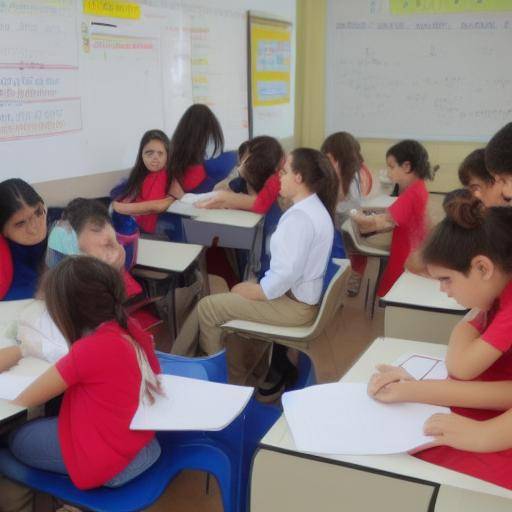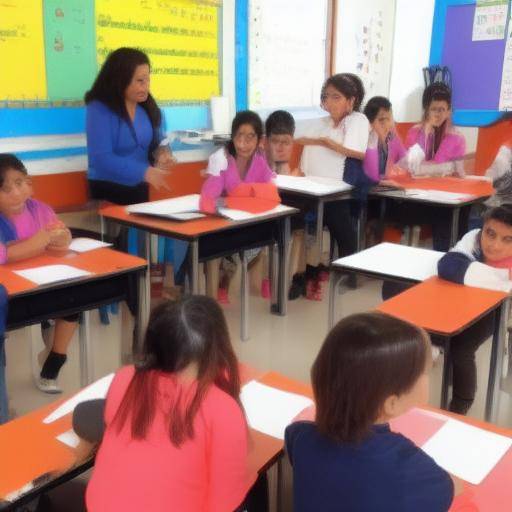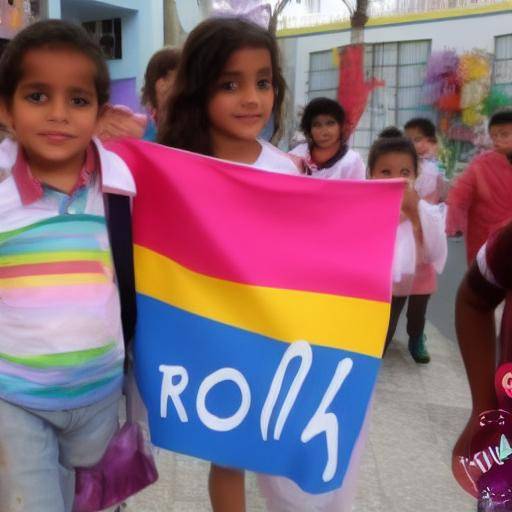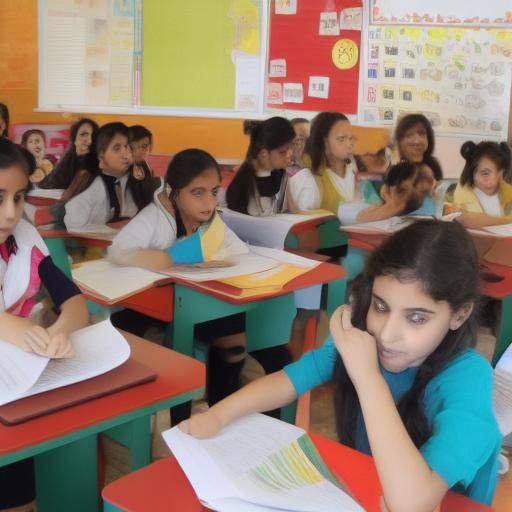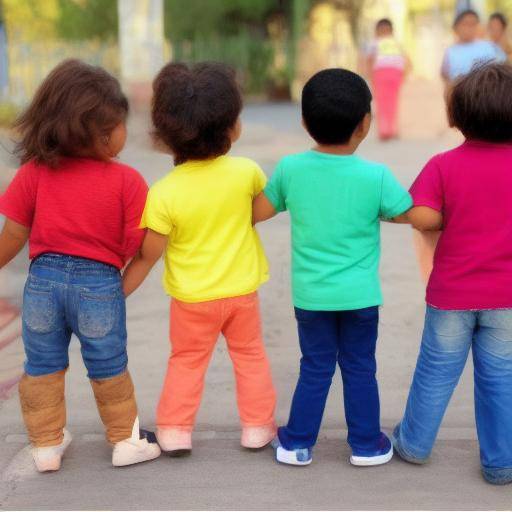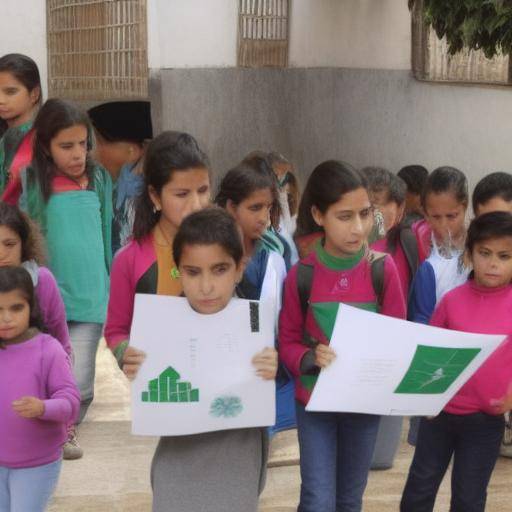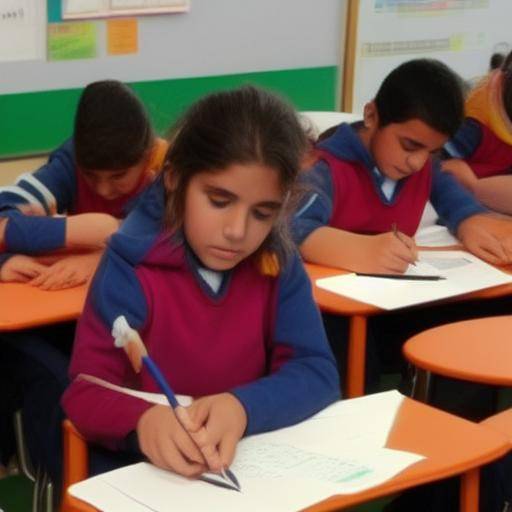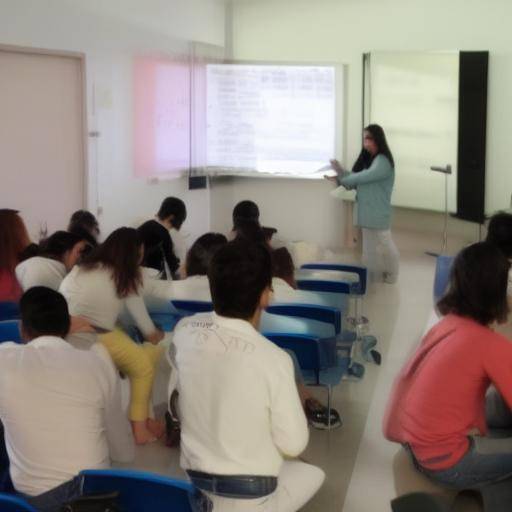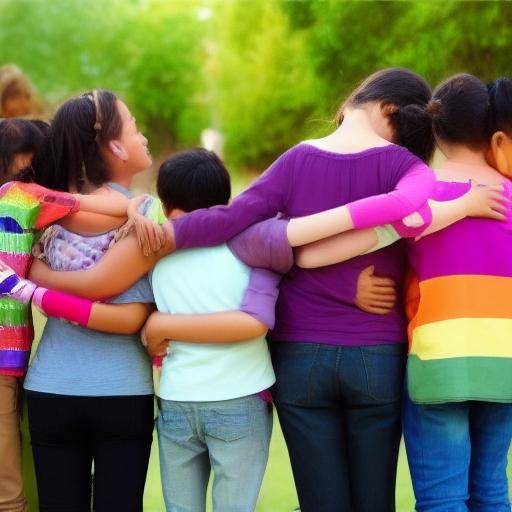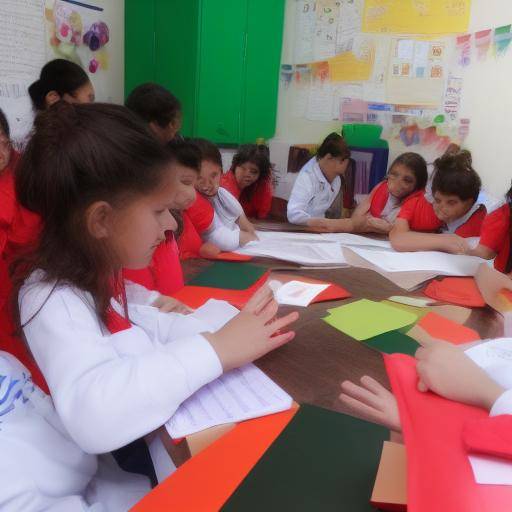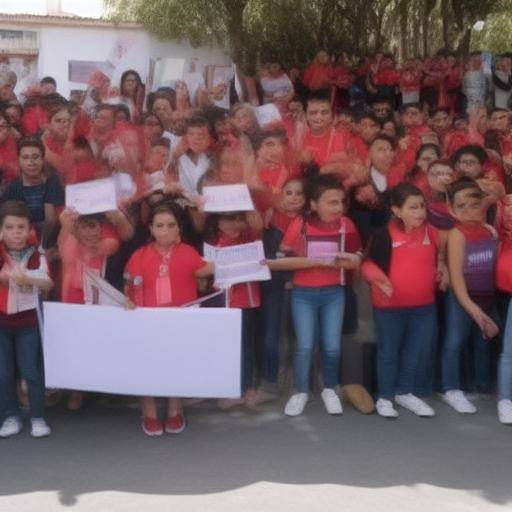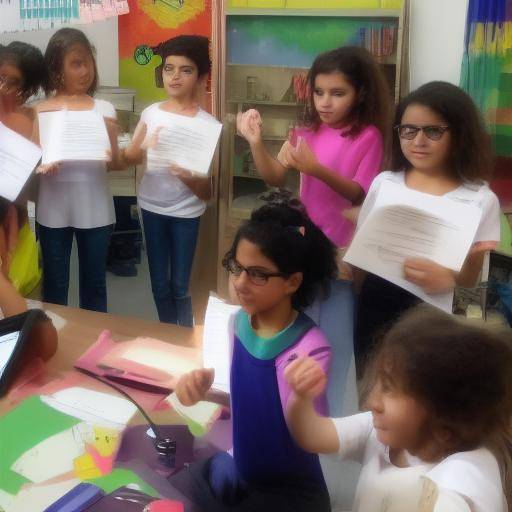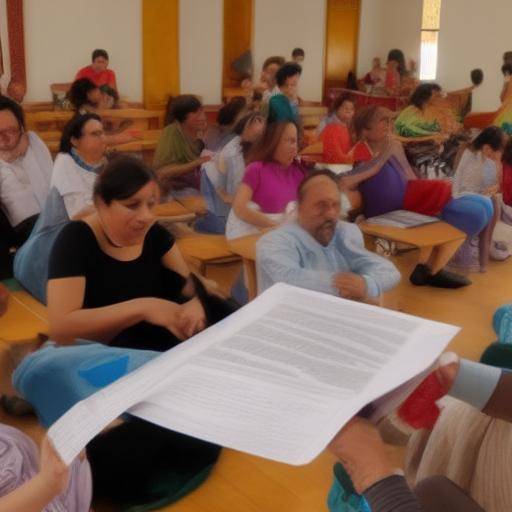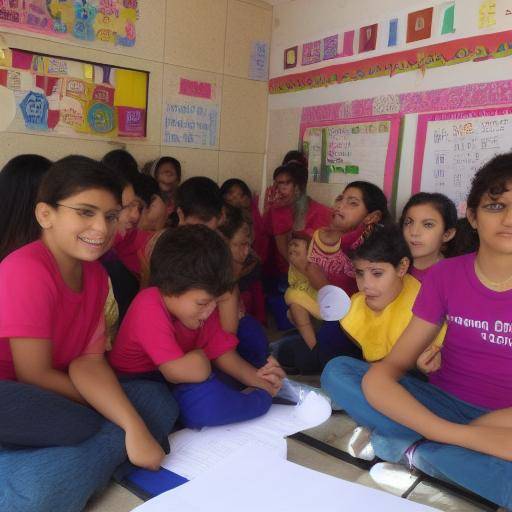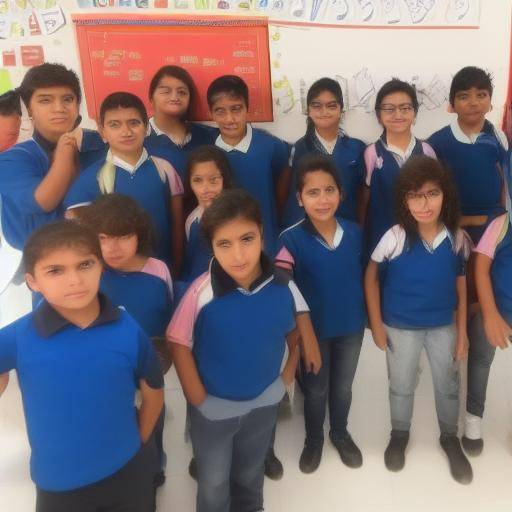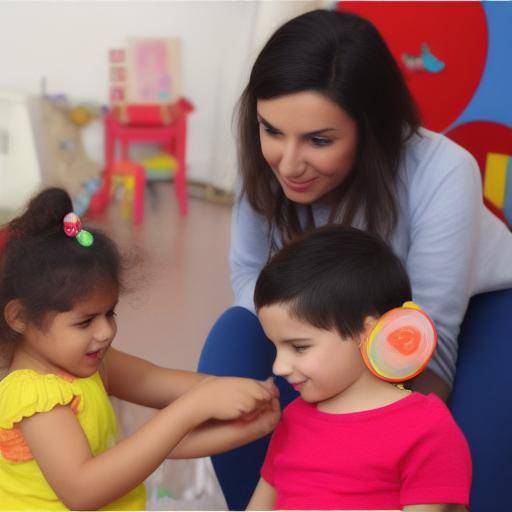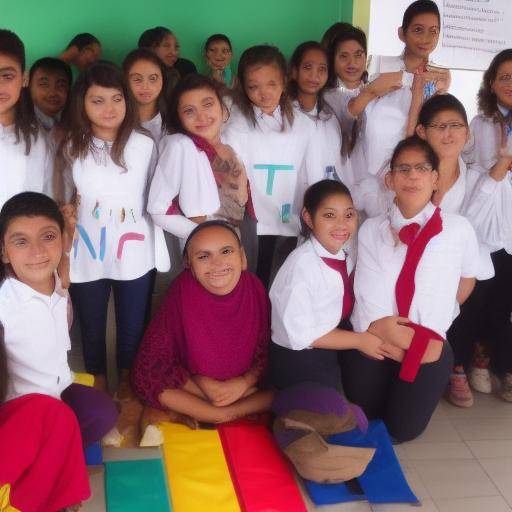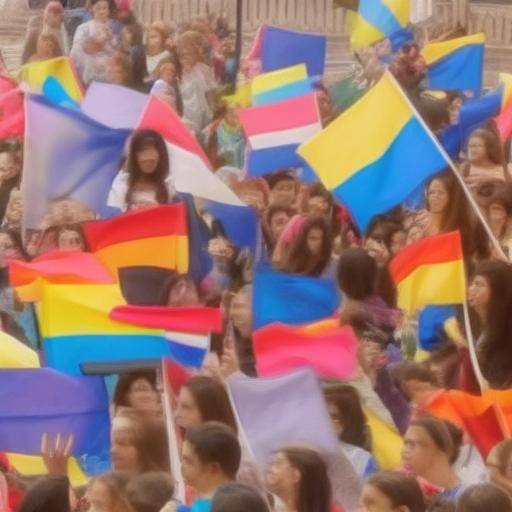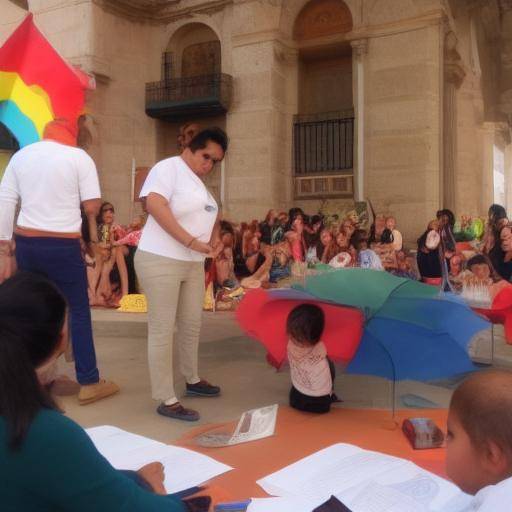
The integration of cultural diversity into extracurricular activities is an essential aspect in the current social context. In an increasingly globalized and diverse world, fostering intercultural understanding and respect for differences is fundamental. This article will explore the importance of integrating cultural diversity into extracurricular activities, detail its benefits, challenges, and offer practical advice to achieve it effectively.
Importance of Cultural Integration in Extracurricular Activities
Cultural diversity enriches our lives by providing new perspectives, innovative ideas, and by strengthening links between communities. Extracurricular activities, including sports, clubs and special programmes in schools and universities, provide fertile ground for fostering cultural integration, building an inclusive environment that celebrates and values cultural differences.
Historical Background
The integration of cultural diversity into extracurricular activities is rooted in the need to promote equity, justice and understanding among individuals. From the first student organizations to modern extracurricular programs, there has been a progressive interest in including and representing diverse cultures.
Benefits and Challenges
The integration of cultural diversity into extracurricular activities offers a wide range of benefits, from promoting intercultural understanding to strengthening the social fabric. However, it also presents challenges, such as managing cultural conflicts and ensuring equitable representation.
Effective implementation
The effective implementation of cultural diversity in extracurricular activities requires a conscious and strategic approach. Through best practices, intercultural collaboration and inclusive programs, it is possible to create enriching environments that reflect the diversity of the student community.
Perspective Futures
Future expectations reveal opportunities for the expansion and continuous improvement of the integration of cultural diversity into extracurricular activities, as well as challenges facing this evolving field.
Conclusion
The integration of cultural diversity into extracurricular activities is a fundamental pillar for training enrichment and the personal development of students. By celebrating diversity and fostering inclusion, we create environments that promote a more equitable and comprehensive future.
We hope that this guide has provided valuable information and practical guidance to foster inclusive and enriching school environments, benefiting students and contributing to the construction of a more equitable and comprehensive society.
Frequently asked questions
Why is it important to integrate cultural diversity into extracurricular activities?
The integration of cultural diversity into extracurricular activities is essential to foster intercultural understanding, promote inclusion and strengthen social cohesion in diverse educational settings.
What are the most common challenges in integrating cultural diversity into extracurricular activities?
The main challenges include managing intercultural conflicts, ensuring equitable representation and providing equal access to extracurricular opportunities for all students.
How can educators foster the integration of cultural diversity into extracurricular activities?
Educators can promote the integration of cultural diversity by including diverse perspectives in activities planning, providing culturally relevant resources and fostering an environment of respect and intercultural dialogue.
What are the benefits of integrating cultural diversity into extracurricular activities?
The integration of cultural diversity into extracurricular activities promotes a deeper understanding of different cultures, fosters empathy and strengthens cohesion among students from different cultural backgrounds.
What are some effective strategies to integrate cultural diversity into extracurricular activities?
Some effective strategies include the organization of intercultural events, the inclusion of culturally relevant topics and activities, and the promotion of the equal participation of students from various cultures.
How can parents support the integration of cultural diversity in extracurricular activities?
Parents can support the integration of cultural diversity by promoting openness to other cultures at home, participating in extracurricular activities that celebrate diversity and fostering empathy and respect for cultural differences in their children.