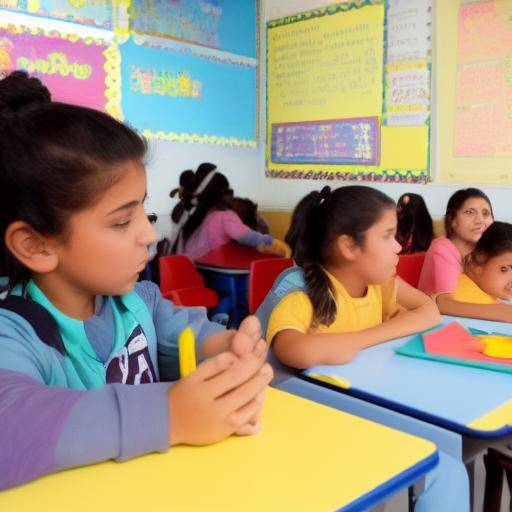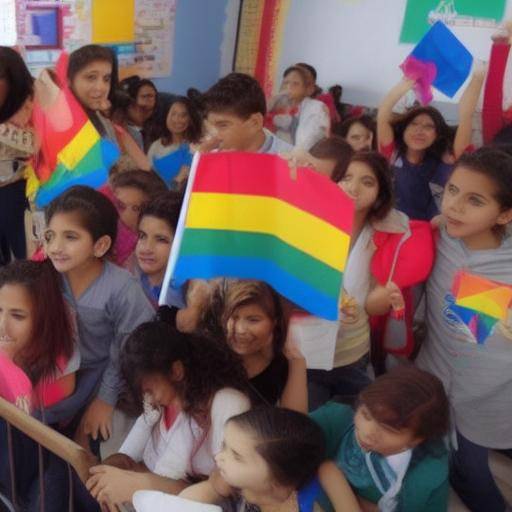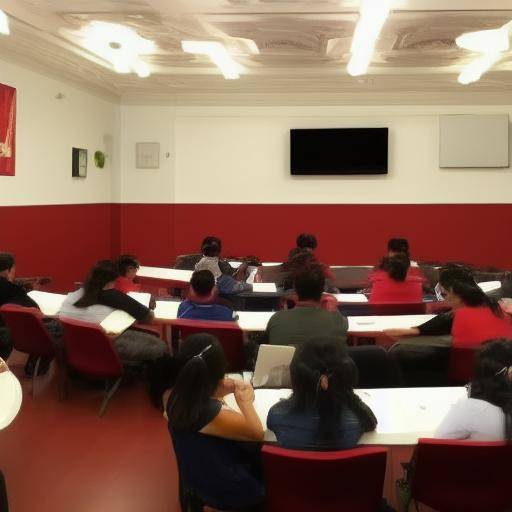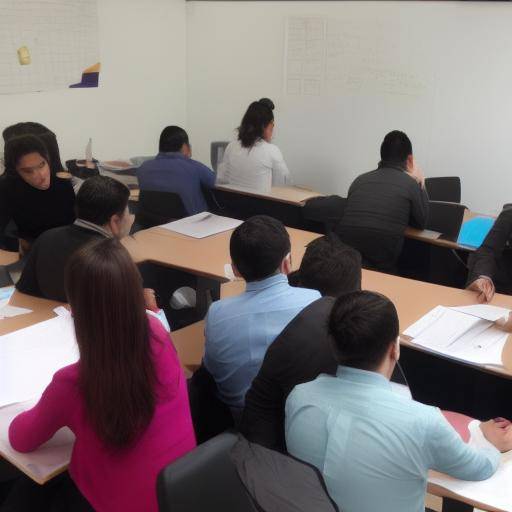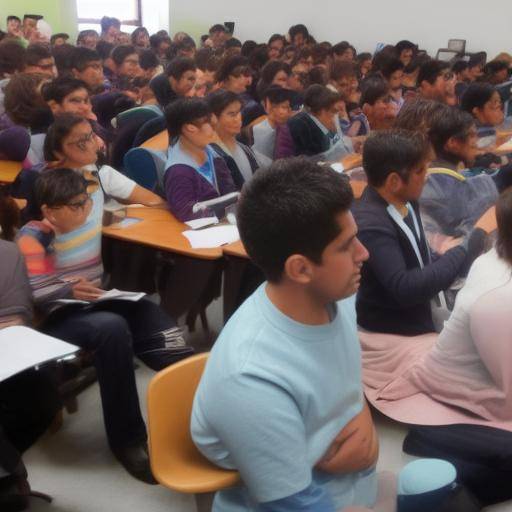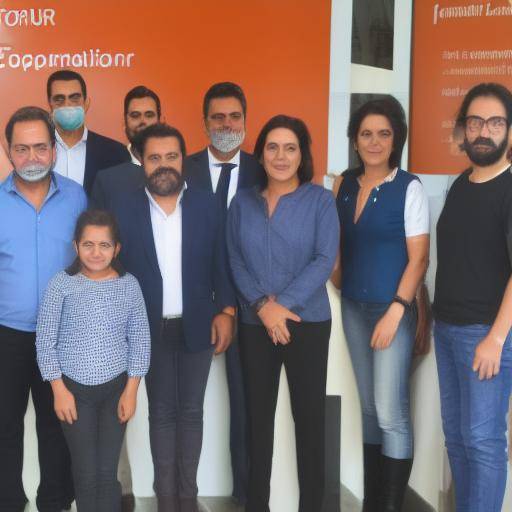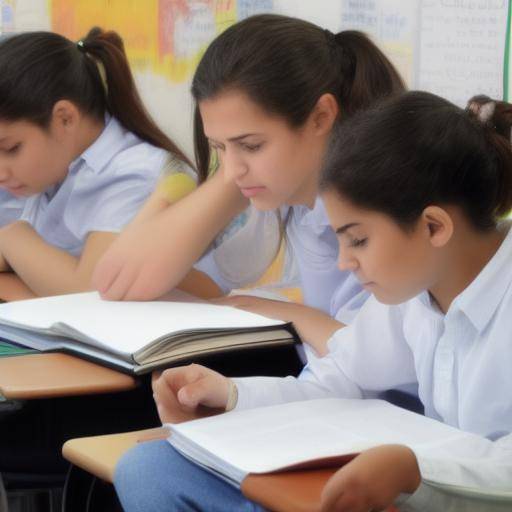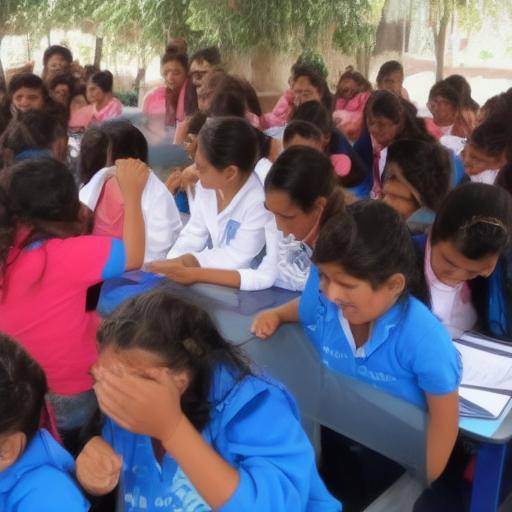
The inclusion of students with different skills is a subject of great importance in the educational field, as it seeks to ensure that all students have access to quality education, regardless of their individual characteristics. In this article, we will explore key strategies to promote the inclusion of students with different skills, identifying best practices, common challenges and offering a comprehensive vision to strengthen the inclusive educational process.
Introduction
Educational inclusion has become a fundamental pillar for the construction of more equal and fair societies. Through inclusion, it seeks to eliminate barriers that prevent students from participating fully in educational processes, regardless of their differences in skills, gender, ethnicity, among other aspects.
In this regard, the inclusive approach recognizes and values the diversity of skills and strengths that each student brings to the educational environment, fostering an environment of respect, acceptance and collaboration.
In this article, we will address specific strategies to promote the inclusion of students with different skills, identifying educational approaches, resources and tools that can enhance the integral development of all students.
History and Background
To understand the importance of addressing educational inclusion, it is crucial to contemplate its evolution over time. Inclusion has become a moral and legal imperative in many countries, backed by a normative framework that guarantees the right to inclusive education for all students.
In the 1970s, civil rights movements in the United States and other countries laid the foundation for the recognition of diversity in education. Resources and pedagogical approaches that promoted equal opportunities for all students, regardless of their skills or disabilities, thus emerged.
At present, educational inclusion has become a key pillar in global educational policies, recognizing the importance of providing diverse and enriching educational environments for all students.
Analysis in Deep
The inclusion of students with different skills entails a series of challenges and benefits that it is important to consider. First, inclusion promotes an environment of mutual respect and acceptance, fostering empathy and understanding of diversity. However, it also raises the need to adapt, modify and diversify educational strategies and resources to meet the individual needs of each student.
Benefits of Inclusion:
- Encourages diversity and acceptance
- Promotes a sense of belonging and participation
- Encourages empathy and tolerance
- Powers the development of skills of all students
Inclusion Challenges:
- Requires curricular adaptations and specific resources
- Needs teacher training in inclusive approaches
- It can generate resistance or lack of understanding in certain areas
Comprehensive review
In exploring the specific applications of educational inclusion, it is essential to address case studies and best practices that have demonstrated their effectiveness. Within the inclusive context, the role of the teacher is of crucial importance, as it is responsible for designing pedagogical strategies that meet the individual needs of each student.
Pedagogical Approaches to Inclusion:
- Cooperative learning: fosters collaboration among students with different skills
- Curriculum adaptations: curriculum adjustments to meet diversity of needs
- Training evaluation: constant assessment of individual student progress
Resources and Tools for Inclusion:
- Educational technology: digital applications and tools that facilitate inclusive learning
- Adapted teaching materials: educational resources that meet the individual needs of students
- Emotional support: providing an environment of emotional and psychological support for all students, fostering a climate of confidence and security.
Comparative analysis
By comparing inclusion strategies with traditional approaches, there is evidence of the positive impact of adopting inclusive educational practices. The inclusion not only benefits students with different skills, but also enriches the educational experience of all students, promoting an environment of diversity and collaboration.
Similarities between Inclusion and Traditional Approaches:
- Both seek to offer quality education
- They value the role of teachers as a learning facilitator
- Recognize the importance of adapting educational strategies to individual needs
Significant differences:
- Inclusion promotes diversity and cooperative learning
- Traditional approaches tend to homogenize the teaching process
- Inclusion challenges barriers to access to education
Practical Tips and Recommendations
For teachers and educational professionals, it is crucial to have practical resources and guidance that enable them to implement inclusive strategies effectively. Some practical recommendations include:
Councils for the Implementation of Inclusive Strategies:
- Know the individual needs of students
- Establish a climate of respect and acceptance in the classroom
- Use varied and adapted teaching resources
Recommendations for Teacher Training:
- Providing training opportunities in inclusive approaches
- Promoting the exchange of good practices among teachers
- Promote awareness of the importance of educational inclusion
Information and Views of Experts
The vision of experts in the field of education can provide an enriching perspective on the subject of educational inclusion. Through interviews with pedagogues, psychopedagogues and inclusion specialists, it is possible to collect valuable insights that enrich the understanding of effective strategies in the inclusive educational field.
Interview with Dr. Elena Martínez, Specialist in Educational Inclusion:Question: What is the importance of promoting inclusive education today?Response: Inclusive education is key to promoting a more just and equitable society. By assessing the diversity of student skills and experiences, we create an enriching learning environment for all.
Cases and Real Applications
To illustrate the effectiveness of inclusion strategies, it is important to analyse practical cases that demonstrate their impact on real educational environments. Through concrete experiences, we can better understand how these strategies have benefited students with different skills and have enriched the educational experience as a whole.
Case Study: “Inclusion in Primary Education Classroom”
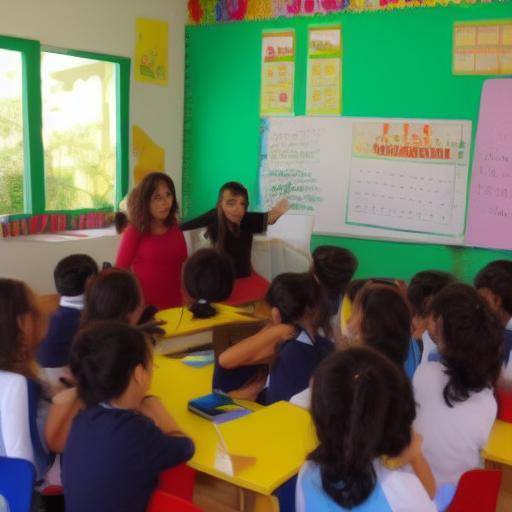
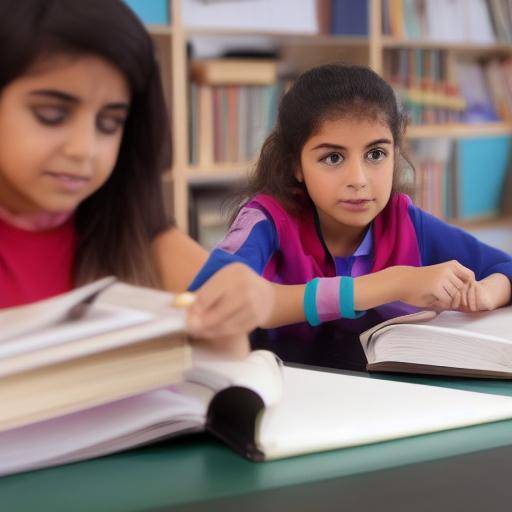
The case of the "Light and Knowledge" Primary School provides an inspiring example of an inclusive approach to the classroom. Through the implementation of curriculum adaptation strategies, the teaching team has succeeded in ensuring meaningful learning for all students, including those with special needs. The creation of collaborative projects and the use of adapted teaching materials have fostered an environment of inclusiveness and mutual respect.
Future Trends and Predictions
The future of inclusive education is presented as a constantly evolving field, which seeks to effectively integrate the different skills and strengths of students into the educational process. Future trends aim at greater implementation of accessible technologies, the development of teacher training programmes in inclusive approaches and a more focused attention on the emotional well-being of students.
Conclusion
In short, the inclusion of students with different skills is a fundamental tool to promote quality and equitable education. Through inclusive pedagogical strategies, adapted resources and a focus on the emotional well-being of students, it is possible to create enriching educational environments that enhance the integral development of all students. The diversity of skills and experiences enriches the educational experience and promotes a sense of community and mutual respect in the school arena.
Frequently asked questions
What is the main objective of educational inclusion?
Educational inclusion seeks to ensure that all students, regardless of their differences in skills, gender, ethnicity, among other things, have access to quality education and participate fully in educational processes.
What challenges can arise when implementing inclusion strategies in the classroom?
Some common challenges in implementing classroom inclusion strategies include the need to adapt the curriculum to meet the individual needs of students, lack of specific resources and resistance or lack of understanding in certain areas.
What role does teachers play in the context of educational inclusion?
The teacher plays a crucial role in the context of educational inclusion, being responsible for designing pedagogical strategies that meet the individual needs of each student, fostering an environment of respect, acceptance and collaboration.
What are some practical recommendations to promote educational inclusion in the classroom?
Some practical recommendations include learning the individual needs of students, establishing a climate of respect and acceptance in the classroom, using varied and adapted teaching resources, and fostering training opportunities in inclusive approaches for teachers.
What is the importance of educational inclusion in current society?
Educational inclusion is essential to promote a more just and equitable society, in assessing the diversity of skills and experiences of students, an enriching learning environment for all is created, fostering empathy, tolerance and mutual respect.
How can we foster an environment of respect and acceptance in the context of educational inclusion?
To promote an environment of respect and acceptance in the context of educational inclusion, it is crucial to promote empathy, understanding and appreciation of diversity, and to use educational resources that reflect diversity and promote open dialogue on individual differences.
Conclusion: The inclusion of students with different skills requires a holistic approach that values diversity, promotes inclusive pedagogical strategies and ensures an environment of mutual respect and acceptance in the educational field. In implementing these strategies, we contribute to the construction of educational environments that enhance the integral development of all students, promoting cooperative learning, tolerance and equity.
As we move forward, it is crucial to continue promoting educational inclusion, developing teacher training programmes in inclusive approaches and promoting the implementation of accessible technologies that facilitate learning for all students. Diversity enriches educational experience and promotes a more inclusive and equitable society.