In today's society, the role of sports in the social development of students has gained significant relevance. Sports not only offer physical benefits, but also play a key role in the social, emotional and cognitive development of young people. In this article, we will explore in depth the influence of sports on the social development of students, highlighting their importance, benefits, challenges and current trends.
Introduction
The commitment to sporting activities gives students the opportunity to develop interpersonal skills, self-confidence, discipline, respect and teamwork, among other things. In addition, sports promote social inclusion, the establishment of goals and the management of failure, aspects that not only influence their personal development, but also have a positive impact on their academic performance and future integration into society.
It is therefore crucial to understand the relevance of this issue in the educational context. Throughout this article, we will explore in detail the role of sports in the social development of students, examining their historical evolution, benefits, challenges, current trends, as well as practical advice, expert ideas, case studies and future predictions.
History and Background
Sports have been an integral part of human society since time immemorial. From the athletic competitions in ancient Greece to modern sporting events worldwide, the role of sports has evolved significantly throughout history. These events have not only served as platforms for entertainment and competition, but have also impacted on the social cohesion and individual development of participants and spectators.
Origins and Historical Significance
The first records of sport-related activities go back to ancient civilizations, where physical activities and competitions were practiced. In ancient Greece, for example, the ancient Olympic Games were a celebration dedicated to the god Zeus and were regarded as an event of prestige and unity among the cops. This marked the beginning of the evolution of sports in society.
Evolution and Inflection Points
The interest in sports continued to grow over the centuries, influencing culture, social norms and the economy. In the nineteenth century, there was a professionalization of sports, with the creation of leagues, federations and more formal rules. This period marked a turning point in the perception of sports and their social impact, opening new opportunities for their integration into educational and community systems.
Anecdotes and Case Studies
Various anecdotes and case studies illustrate how sports have played a crucial role in the formation of the social and cultural identity of different communities throughout history. From the influence of football on the national identity of certain countries to the connection between sporting events and social phenomena, these examples demonstrate the significant influence of sports on the social fabric.
Deep analysis
The impact of sports on the social development of students is multifaceted and encompasses various dimensions. We will then explore in detail the current benefits, challenges and trends related to this aspect.
Benefits of Sports in the Social Development of Students
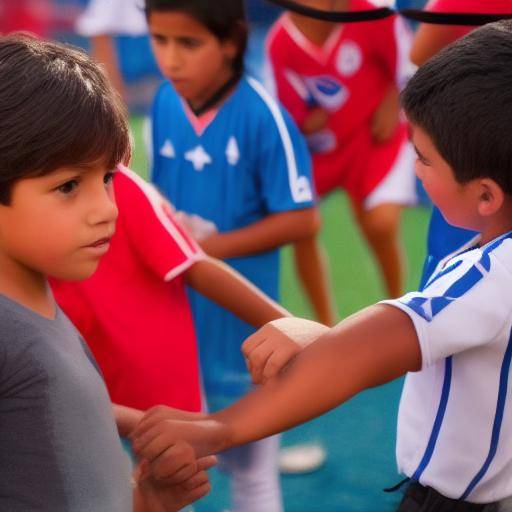
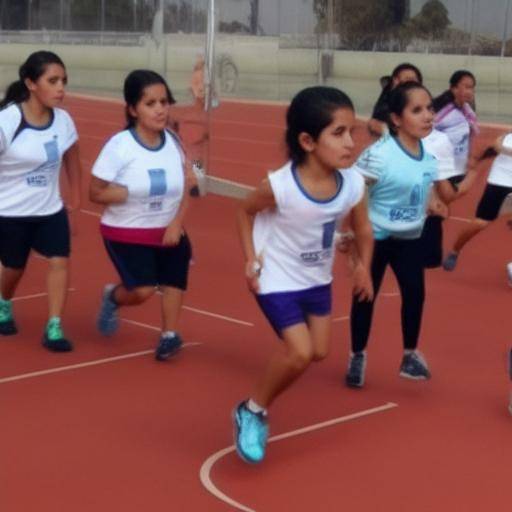
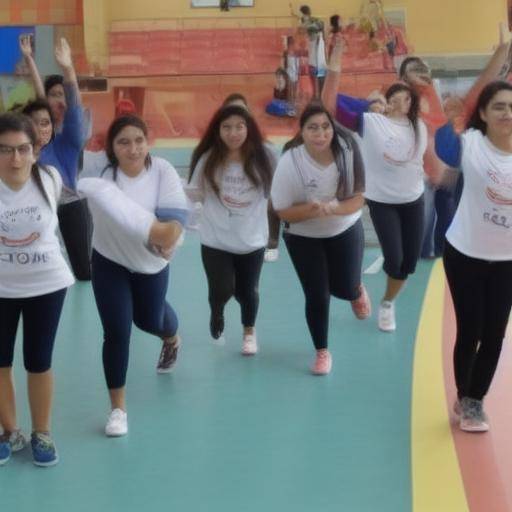
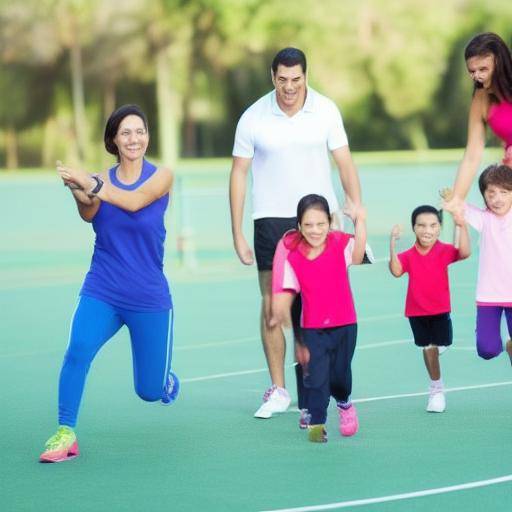
Sports offer a unique platform for the development of social and emotional skills. Participation in sporting activities fosters collaboration, respect, resilience and emotional management, which contributes to the formation of balanced and committed individuals with their environment. In addition, sports promote social inclusion by providing a space where students from different backgrounds can interact and collaborate towards a common goal.
Self-confidence and self-esteem are also strengthened through sports practice, as students experience personal achievement, learn to handle pressure and overcome challenges. Sports also foster the development of leadership skills, the ability to assume responsibilities and informed decision-making, skills that are essential to their social development and professional future.
Challenges and Challenges
Despite the many benefits, participation in sports also poses challenges. Competitive pressure, risk of injury, social exclusion and overemphasis on performance can generate stressful situations for students. It is crucial to address these challenges comprehensively to ensure a safe and enriching sporting environment for all participants.
Current Trends in Social Development through Sports
At present, there is growing interest in the promotion of ethical and moral values through sport, as well as in the implementation of programmes that encourage the inclusion of minority groups and gender equity in the sporting field. In addition, emerging technologies are being used to optimize performance, training and data analysis in the sports context, opening new opportunities for social development through sports.
Comprehensive review
The role of sports in the social development of students extends beyond individual benefits, covering collective, community and systemic aspects. We will then explore different applications, case studies and best practices, as well as expert opinions and future perspectives.
Practices and Case Studies
The implementation of sports programs in educational and community environments has shown significant impacts on the social cohesion, mental health and academic performance of students. Case studies in different contexts demonstrate how the integration of sports in the school curriculum has helped to reduce violence, improve class concentration and promote healthy living habits among young people.
Opinions of Experts and Future Perspectives
Experts in sports psychology, education and social development offer valuable insights on the influence of sports on youth training. Its views highlight the importance of fostering a holistic approach in sports practice, providing emotional and psychological support to students, and promoting equity and diversity in sports. In addition, a future is seen where technology plays an even more relevant role in the optimization of social development through sports, allowing more precise follow-up to the progress of students and a greater personalization of sports experience.
Comparative analysis
The intersection between "sports", "paper" and "social development of students" reveals a complex dynamic that influences multiple aspects of student life. Then we will explore the similarities, differences and possible synergies between these elements, providing detailed examples and relevant scenarios.
Similarities and Synergies
Sports, like the role they play in student life, share the capacity to promote personal development, social cohesion and the acquisition of fundamental skills. Both elements offer opportunities for individual and collective growth, as well as for the construction of identity and belonging. When effectively combined, sports and the role in the social development of students can create enriching environments that promote equity, respect and accountability.
Variances and Challenges
Despite their similarities, sports and the role they play in the social development of students also present significant differences. While sports focus on physical activity and competition, social influence extends to broader dimensions of interaction, values, norms and roles. By lotanto, it is crucial to consider these aspects by designing strategies and programs that effectively integrate sports in the educational environment, maximizing their impact on the social development of students.
Practical Tips and Accessible Tips
To maximize the benefits of sports in the social development of students, it is essential to provide clear guidelines, practical advice and concrete actions that guide the effective implementation of sports programs. We will then present practical advice derived from experience and research, providing a detailed guide for educators, trainers, parents and other relevant actors in this process.
- Promoting diversity and inclusion: Promote the participation of students from different ethnic, economic and cultural backgrounds in sports programmes, creating an inclusive environment that reflects the diversity of the educational community.
- Prioritizing the development of soft skills: Emphasize the importance of skills such as resilience, empathy, effective communication and conflict resolution, fundamental aspects for social and emotional development through sports.
- Promoting leadership and active participation: Providing opportunities for students to assume leadership roles, participate in decision-making and contribute to the design and organization of sporting events, fostering their commitment and responsibility.
- Providing emotional and psychological support: Recognize the importance of mental health in the sports context, providing resources and assistance for the management of stress, anxiety and other emotional concerns that may arise during sports.
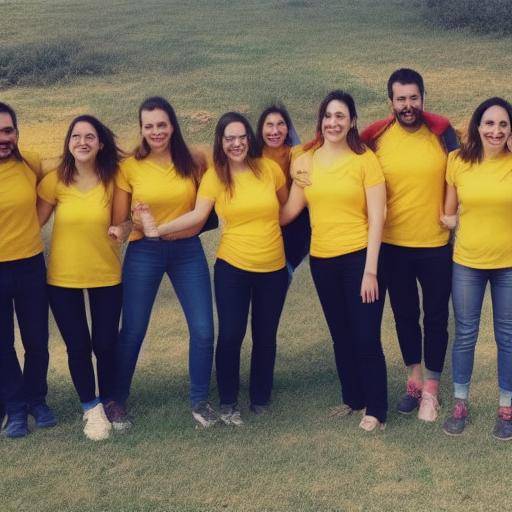
- Promoting partnership and collaboration: Inculcate teamwork values, solidarity and mutual support among participants, strengthening social ties and promoting an environment of respect and cooperation.
Perceptions of Industry and Expert Reviews
The views of experts in the field of education, sport and social development offer a profound and diverse view on the role of sports in the social development of students. We will then share significant ideas, forecasts and trends analysis that are crucial to understanding the dynamics between these elements.
Dr. María Sánchez, Psicóloga del Deporte: "Sport practice not only contributes to the physical health of students, but also represents an invaluable opportunity for the development of social and emotional skills. Pressure management, emotional regulation and cooperation are fundamental aspects that are strengthened through sports, positively impacting on the integral well-being of young people. "
Juan Torres, Physical Trainer and Educator: "The focus on social development through sports requires an intelligent combination of training strategies, mentoring and emotional support. It is crucial to generate an environment where students feel safe, motivated and valued, which enhances their commitment and active participation in sports practice. "
Case Studies and Practical Applications of Social Development through Sports
Case studies will affect the importance of including sports in educational contexts for the social development of students. Practical examples of the positive impact that sports have had on school and youth communities will be disaggregated, highlighting achievements, challenges and lessons learned.
Case Study in Urban Primary Schools
In the "Fundación para el Futuro" primary school, located in a disadvantaged urban environment, the incorporation of sports programs has generated a significant impact on the behavior, attendance and academic performance of students. The formation in values, empowerment and promotion of healthy lifestyles have become fundamental pillars of the sporting project, demonstrating how sports can be an effective vehicle for social development in challenging contexts.
Practices in Community Programs
In the framework of the "Sports for All" programme, sports activities have been implemented in rural communities, promoting the participation of children and adolescents in vulnerable situations. Through leadership training, the promotion of self-confidence and the creation of support networks, there has been a significant increase in the self-esteem, social skills and sense of belonging of participants, which underlines the transformative potential of sports in community environments.
Future Trends and Predictions
Emerging trends in sports and social development are aimed at a future marked by technological innovations, greater awareness of mental health and a renewed approach to equity and inclusion. We will then explore the predictions and challenges that reflect the constantly evolving landscape related to this issue.
Data Technology and Analysis in School Sports
The integration of data analysis technologies and performance monitoring in school sports environments is gaining relevance, allowing more accurate monitoring of student progress, early detection of potential injuries and customization of training programs. This trend promises to improve sports experience and enhance social development through the optimization of effective resources and strategies.
Focus on Mental Health and Welfare
Recognition of the importance of mental health in the sporting context is generating a paradigm shift in how students' sports experiences are addressed. Increased attention to mental health, stress management and the promotion of emotional well-being is expected to be central to the planning and implementation of sports programmes, emphasizing a holistic approach to social development through sports.
Gender Equity and Cultural Diversity
The momentum towards gender equity and the inclusion of diverse perspectives is manifested as a dominant trend in social development through sports. Efforts to eliminate gender barriers, promote equitable participation and ensure a sports environment free of discrimination are at the forefront of discussions and actions, noting a growing commitment to creating fair, diverse and enriching sports environments for all.
Conclusions
The role of sports in the social development of students is fundamental in the integral formation of young people, affecting their physical, emotional and mental health, as well as their social and academic integration. Sports practice not only strengthens individual skills, but also enhances cohesion, mutual respect and inclusion, essential elements for a diverse and collaborative society.
Frequently asked questions
What is the role of sports in the social development of students?
Sports play a key role in the social development of students by fostering collaboration, respect, self-confidence, failure management, teamwork, social inclusion and ethical and moral values.
What are the psychological and emotional benefits of participation in sports?
Participation in sports promotes self-confidence, resilience, emotional regulation, stress management, self-esteem and leadership skills development, all essential aspects for the psychological and emotional well-being of students.
How can sports contribute to the development of social and emotional skills?
Through social interaction, teamwork, conflict resolution and competitive pressure management, sports provide an enabling environment for the development of key social and emotional skills in student growth and training.
To what extent do sports impact student academic performance?
Regular sports practice is associated with improvements in concentration, discipline, resilience and time management, aspects that not only strengthen the overall well-being of students, but also positively influence their academic performance and ability to face academic challenges.
How can educators and trainers promote an inclusive sports environment?
Educators and trainers can promote inclusion through strategies that promote diversity, mutual respect and gender equity, as well as the implementation of policies and practices that guarantee the participation of all students, regardless of their origin or sports skills.
What is the long-term impact of participation in sports on the social development of students?
Participation in sports can significantly influence the formation of identity, life habits, resilience, team spirit and perception of success and failure in the lives of students, providing a solid basis for their social and emotional development throughout their lives.
In understanding the importance and positive impact of sports on the social development of students, the door opens to opportunities for improvement, innovation and collaboration between educators, trainers, parents and the community in general, thus strengthening the social fabric and providing young people with the necessary tools to confront the challenges of life with confidence and determination.
Conclusion: The article provides an integral view of the role of sports in the social development of students, highlighting their benefits, challenges, current trends and future prospects. Recognizing the importance of this issue, the implementation of effective strategies that maximize the positive impact of sports on the integral development of young people is promoted.