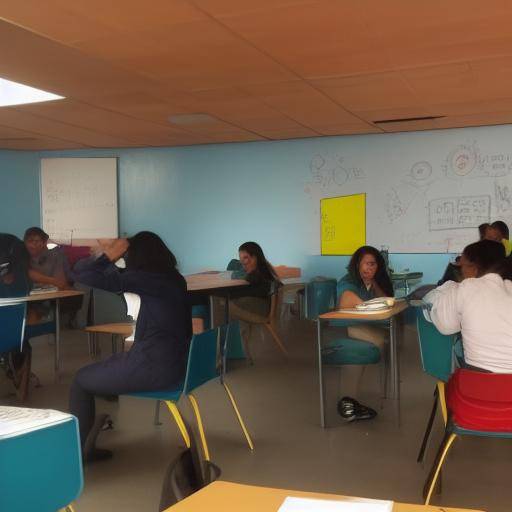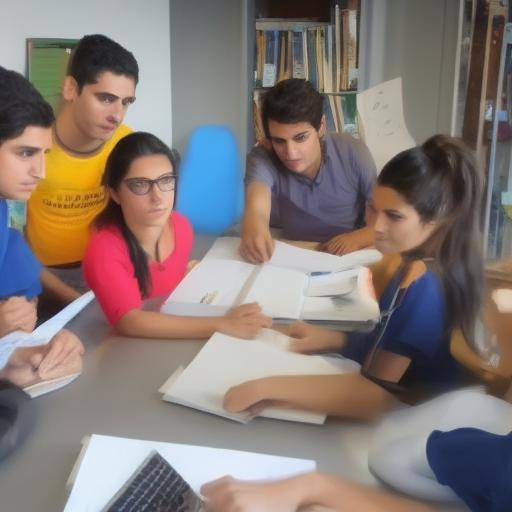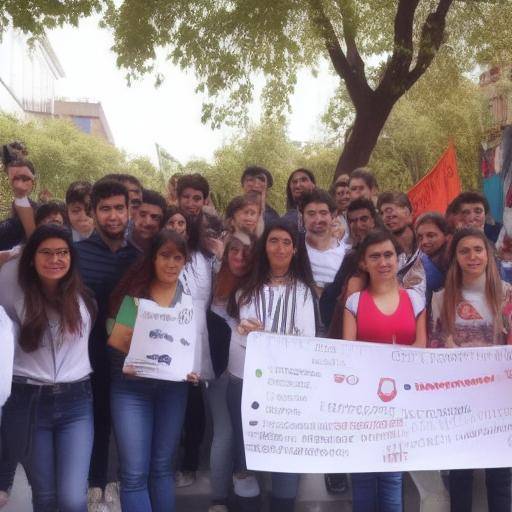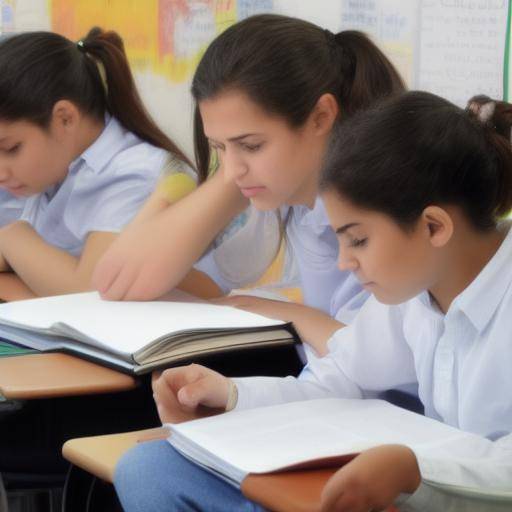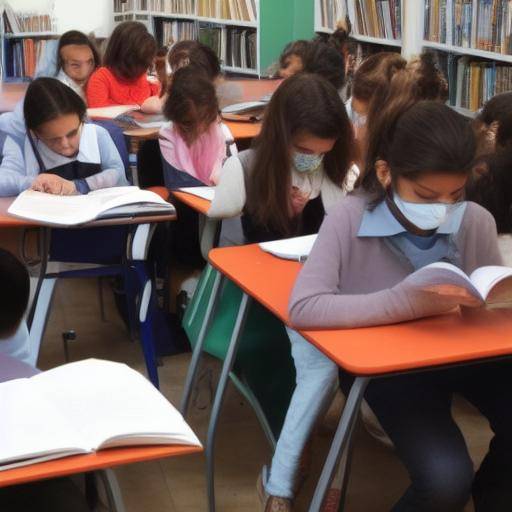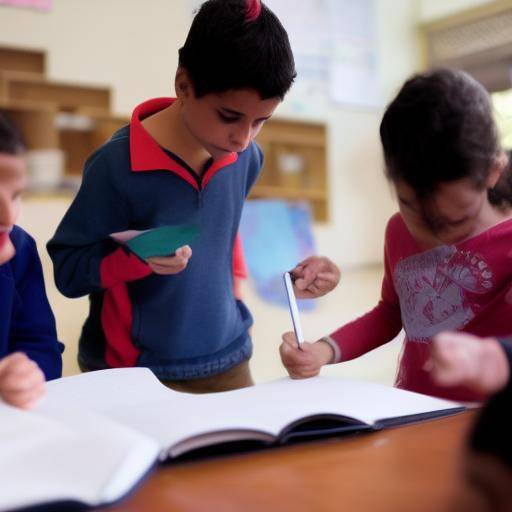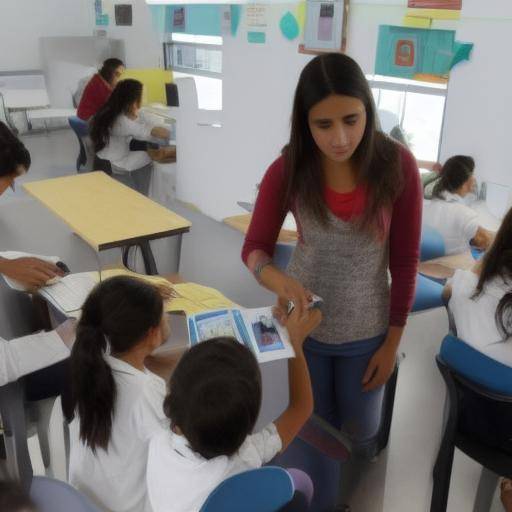
Have you wondered how to get all your students to participate actively in class? Participation is fundamental for meaningful learning and the development of social skills. We will then explore effective strategies to encourage the participation of all students in the classroom, creating an enriching and motivating learning environment.
Importance of class participation
Active participation in the classroom goes beyond raising your hand to answer questions. It implies involving all students in discussions, promoting the expression of ideas, active listening and the exchange of views. This approach not only strengthens the understanding of the contents, but also develops communicative and critical thinking skills.
Strategies to promote participation
1. Creating an inclusive environment
Fostering an environment where everyone feels safe to express their views is essential. Establishing clear and respectful rules for class interactions promotes equitable participation.
2. Use varied teaching methods
Integrating different pedagogical approaches, such as project-based learning, interactive debates or activities, provides opportunities for each student to find their way to participate actively.
3. Promoting non-verbal participation
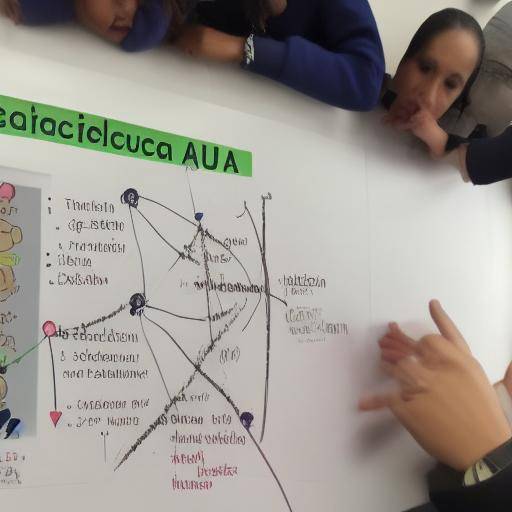
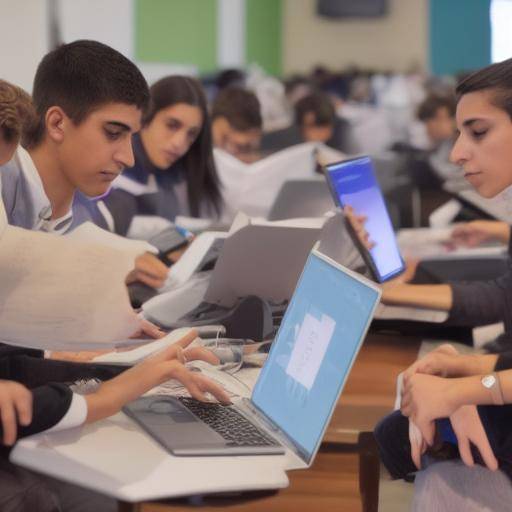
Not all forms of participation need to speak out loud. You can implement dynamics that include gestures, collaborative writing or responses through digital platforms.
4. Set clear expectations
To accurately communicate what is expected of student participation provides guidance and security by contributing in class.
Benefits of equitable participation
Equitable class participation not only enriches the learning environment, but also has significant impacts on students' academic and emotional development. It promotes self-confidence, empathy, and respect for the ideas of others, essential skills in today's society.
Challenges and solutions in promoting participation
1. Overcoming shyness and reticence
Some students may be afraid to participate in the public. Implementing group activities or providing options for individual expression can help overcome these barriers.
2. Addressing inequalities in participation
It is essential to identify and address inequalities in participation, ensuring that all students have the opportunity to contribute significantly in class.
3. Empowering introverted students
Recognize and value different forms of participation, including those most reserved, is crucial to empower introverted students.
Strategies for long-term success
1. Increase self-evaluation
Promoting reflection on participation gives students the opportunity to identify their strengths and areas of improvement, facilitating continuous growth.
2. Value the diversity of views
Promoting respect for and appreciation of the various perspectives enriches class dialogue, promoting an inclusive and enriching environment.
3. Fostering reflective practice
Inviting students to reflect on the importance of active participation in learning gives them a deeper understanding of their role in the educational process.
Conclusion
Promoting the participation of all students in class is a constantly evolving challenge that requires flexibility, empathy and a constant commitment to equity. By implementing inclusive strategies and promoting an enriching environment, educators can create meaningful learning experiences for all students.
Frequently asked questions
How can I increase the participation of shy students?
Inclusion of non-verbal participation, such as writing on boards or using digital tools to answer questions, can be an excellent way to include students with a tendency to shyness. In addition, providing options for individual or couple participation can help you feel more comfortable by contributing in class.
What to do if some students dominate the discussions?
It is important to establish structures that allow all students to participate equally. Regular time of participation, moderate discussions and encourage active listening are effective strategies to prevent a few from engaging in class.
How can I assess equitable participation?
Active observation, data collection on student participation in different activities and individual feedback are ways to assess equity in participation. The inclusion of participation as a component in the evaluation of academic performance can also be considered.
What is the impact of equitable participation in academic performance?
Equitable participation not only promotes an enriching learning environment, but also contributes to the development of communicative skills, critical thinking and self-confidence, which can positively influence student academic performance.
How to adjust participation strategies for different ages?
It is important to adapt participation strategies to the age and stage of student development. For example, at earlier ages, playful or dynamic activities can be used to encourage participation, while at more advanced levels structured discussions or collaborative projects can be incorporated.
What is the role of the educator in promoting equitable participation?
Educators play a key role not only in facilitating participation, but in creating an inclusive environment that values the different forms of contribution of students. In addition, feedback and recognition of the engagement effort are pillars in promoting an equitable participatory climate.
By implementing these strategies and proactively addressing the challenges that arise, educators can cultivate a learning environment in which each student feels valued and empowered to contribute significantly in class.