Creative writing is an invaluable skill that can foster expression, imagination and critical thinking in students. In this article, we will explore the importance of fostering creative writing in the educational environment, providing practical advice, case studies and expert opinions to support this process.
Introduction
Creative writing goes beyond simply putting words on paper; it is a means of expressing ideas, emotions and perspectives in a unique way. Promoting this skill in students not only strengthens their linguistic skills, but also allows them to develop their creativity, critical thinking and self-expression. Throughout this article, we will explore how educators can cultivate this vital aspect of learning and how students can benefit from it.
History and Background of Creative Writing
Creative writing has its roots in antiquity, where stories were transmitted from generation to generation through oral narrative. As civilizations evolved, writing acquired a key role in preserving cultures and knowledge. For centuries, great writers and poets have used creative writing as a way of expressing their ideas and emotions, thus establishing a legacy that has endured over time.
In the modern era, creative writing has gained recognition as a powerful educational tool. As technology advances, it has opened new possibilities for creative expression through various platforms and means, which has contributed to its growing importance in the educational field.
Deep Analysis of Creative Writing in Education
Creative writing in the educational field not only allows students to express themselves freely, but also encourages self-confidence, empathy and problem solving. In addition, it strengthens written communication skills, essential in both academic and professional fields. Numerous studies support the idea that creative writing has a positive impact on the cognitive and emotional development of students, highlighting their relevance in the current educational context.
A holistic approach to creative writing not only fosters the ability to narrate stories, but also promotes critical reflection on relevant issues, resulting in a deeper and more multifaceted understanding of the world around us.
Comprehensive Review of Strategies for Promoting Creative Writing in Students
There are various strategies that educators can implement to foster creative writing among students:
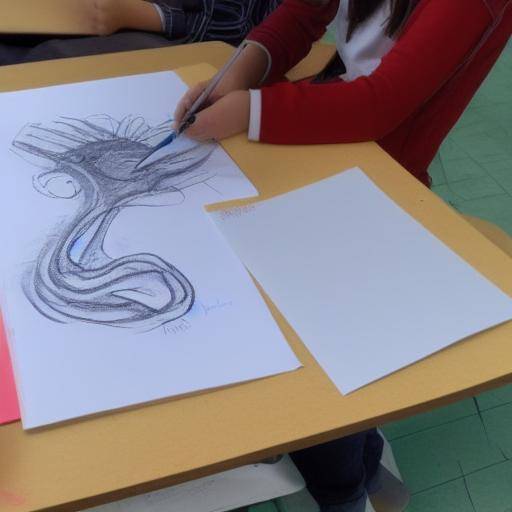
- Stimulate imagination through free writing exercises and activities that challenge creativity.
- Encourage reading as a source of inspiration and learning.
- Providing constructive feedback that encourages students to continue exploring their creative capacities.
They must also be aware of the cultural and linguistic diversity of students, creating an inclusive environment that values and celebrates the different forms of creative expression.
Comparative Analysis and Practical Tips for Promoting Creative Writing
In addressing creative writing in educational settings, it is essential to consider the particularities of each group of students. Some effective strategies may include the integration of technology, digital narrative and collaboration into creative projects. Some practical tips for fostering creative writing in students include:
- Establish a safe and supportive space where students feel free to express themselves.
- Integrate creative writing in various areas of the curriculum to strengthen understanding and application of concepts.
- Promote self-evaluation and reflection on the creative writing process.
Industry Perspectives and Expert Reviews
Educators and academics recognize the importance of fostering creative writing in students as a fundamental aspect for integral development. Pedagogy experts emphasize the need to adopt innovative approaches that motivate students to explore their creativity and personal expression through writing.
Case Studies and Practical Applications
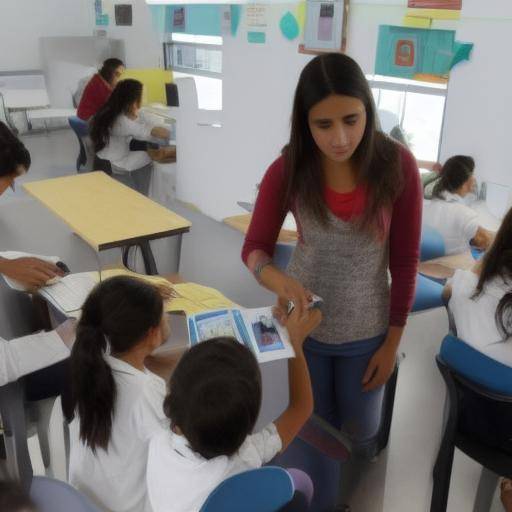
The implementation of creative writing programs in schools and universities has shown positive effects on the commitment of students, their self-confidence and their overall academic performance. Case studies reveal how a teaching focused on creative writing can improve reading comprehension, analysis capacity, and problem solving among students.
The application of creative writing techniques in diverse educational environments, including rural, urban and multicultural schools, has shown promising results in terms of inclusion, equity and development of linguistic and cognitive skills.
Future Trends and Predictions
As education adapts to changes in society and technology, creative writing is expected to take a central place in the curricula. The integration of digital tools, transmedia narrative and online collaboration are promising trends that will boost the evolution of creative writing in the educational context.
Creative writing is expected to become an integral component of education for the twenty-first century, equipping students with essential skills for communication, critical thinking and innovation in an increasingly interconnected world.
Conclusion
Promoting creative writing in students is an investment in their integral development, not only academically, but also emotionally and cognitively. Through the implementation of effective strategies and the creation of environments that foster creative expression, educators can catalyze the potential of students and prepare them to face the challenges of the future with solid trust and skills.
FAQs
1. Why is it important to encourage creative writing in students?
Promoting creative writing in students not only strengthens their linguistic skills, but also stimulates creativity, critical thinking and self-expression, fundamental aspects for their integral development.
2. What are the effective strategies to encourage creative writing in the classroom?
Stimulating imagination, fostering reading, providing constructive feedback and creating an inclusive environment are some of the effective strategies to foster creative writing in the classroom.
3. How can creative writing impact the cognitive and emotional development of students?
Creative writing promotes self-confidence, empathy, critical reflection and problem solving, contributing to the cognitive and emotional development of students.
4. What role does technology play in creative writing in the field of education?
Technology offers new possibilities for creative expression through various platforms and media, which expands opportunities for creative writing in the educational field.
5. How can creative writing be integrated into different areas of the educational curriculum?
Integrating creative writing in different areas of the curriculum strengthens understanding and application of concepts, fostering creativity and the ability to communicate ideas effectively.
6. What are the future trends of creative writing in education?
The integration of digital tools, transmedia narrative and online collaboration are expected to be promising trends that will boost the evolution of creative writing in education.
With the right approach and a continuing commitment to educational excellence, creative writing can become a fundamental pillar in the formation of motivated, creative and prepared students to face the challenges of the 21st century.