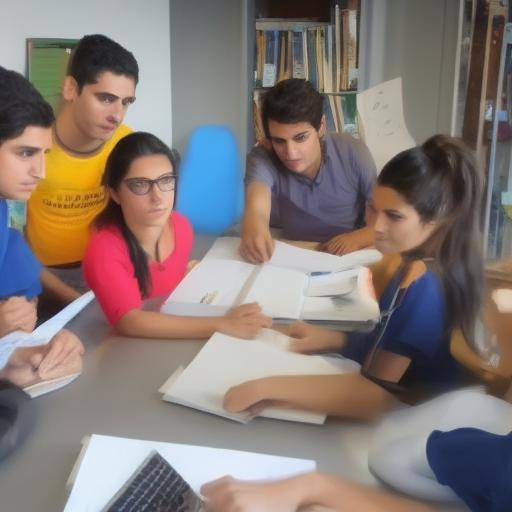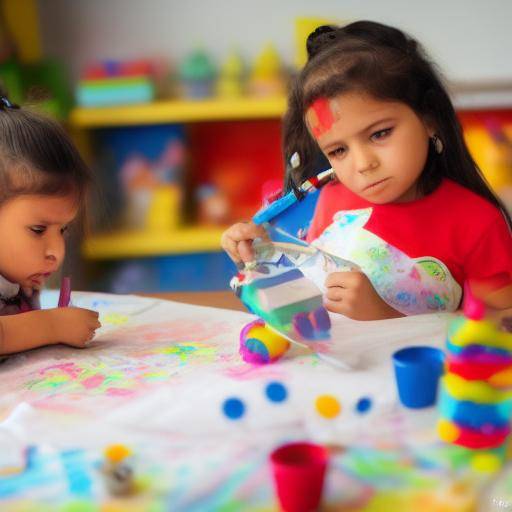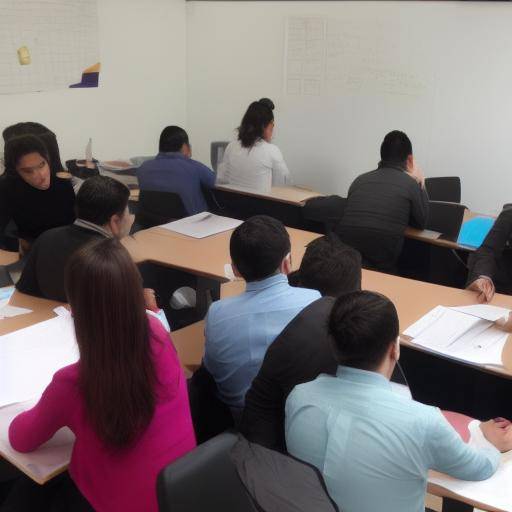
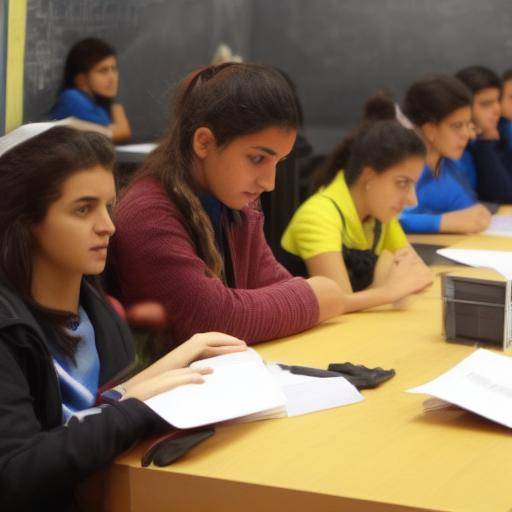
Curiosity is an innate quality in humans that drives learning, exploration and innovation. Fostering curiosity in students is essential to cultivate critical thinking skills, problem solving and creativity. In this article, we will explore effective strategies to promote curiosity in students, leading to a more dynamic and stimulating teaching approach.
Introduction
Curiosity plays a crucial role in the learning process, as it encourages students to question, investigate and discover the world around them. By fostering curiosity, educators can enhance the cognitive, emotional and social development of students by providing valuable tools to address the challenges of the 21st century.
In this article, we will explore the concept of curiosity, its importance in education, and provide concrete strategies to promote its development in the school environment. In addition, we will address the integration of curiosity in the classroom, the influence of technology in this process, and its impact on the academic performance and well-being of students.
History and Background
Curiosity has been valued throughout history by its ability to promote human discovery and advancement. From the first civilizations to the modern era, emblematic figures such as Leonardo da Vinci, Marie Curie and Albert Einstein have shown how curiosity can lead to great achievements. This historical review reveals that curiosity has not only led to transcendental scientific discoveries, but has also been an engine for artistic, cultural and social development.
Throughout the centuries, curiosity has been recognized as an engine of critical thinking and problem solving. Intellectual curiosity has been fundamental in the development of science, philosophy and art, fostering deep and rigorous analysis of reality.
Detailed Analysis
Benefits of encouraging curiosity in students
The promotion of curiosity in students brings many benefits. In cultivating curiosity, observation skills, critical analysis and experimentation are encouraged, resulting in more meaningful and lasting learning. Curious students tend to show greater motivation, commitment and creativity, which positively influences their academic performance.
Challenges in fostering curiosity
While encouraging curiosity is fundamental, educators must face certain challenges by effectively integrating this quality into the educational environment. Lack of resources, pressure to meet predefined academic goals and resistance to innovative strategies are common challenges that need to be addressed to promote curiosity effectively.
Current trends in encouraging curiosity
The integration of technology into the classroom has transformed the way in which curiosity is encouraged in students. Interactive educational platforms, multimedia resources and custom learning tools offer unprecedented opportunities to stimulate students' curiosity and active participation in their own learning process.
Comprehensive review
Applications and best practices
Various pedagogical strategies can be effective to encourage curiosity in students. Project-based learning, guided exploration, and open-ended questions are just some of the practices that can significantly cultivate curiosity.
Expert perspectives and future projections
According to education experts, fostering curiosity among students is crucial to preparing them for the challenges and opportunities of the future. The ability to question, collaborate and adapt to changing environments has become indispensable in a constantly evolving world, and curiosity plays a key role in developing these skills.
Comparative analysis
Curiosity vs. Promote vs. Students
Compare the concepts of curiosity, encourage and students can identify the interrelations and synergies between them. While curiosity is inherent in human nature, fostering this attitude in students requires specific strategies that promote an environment conducive to their development. The impact of curiosity on the performance and well-being of students is evident, as it feeds intrinsic motivation and commitment to learning.
Practical Tips and Accessible Recommendations
Effective strategies to encourage curiosity in the classroom
- Providing experiential learning experiences that encourage exploration and discovery.
- Encourage the formulation of open questions that invite reflection and research.
- Integrate technology in a creative and meaningful way to expand opportunities for interactive research and learning.
- Promote an atmosphere of trust and openness that celebrates the ideas and perspectives of students.
- Establish connections with the community and environment to enrich learning through contextualized experiences.
Industry Perspectives and Expert Reviews
The opinions of pedagogy experts highlight the importance of encouraging curiosity in students as a vital tool for developing relevant skills in a constantly changing world. They emphasize the need to adopt innovative approaches that encourage curiosity, promoting autonomy, creativity and critical thinking in students.
Case Studies and Practical Applications in Real Life
Real case studies provide concrete evidence of how the promotion of curiosity has transformed the educational experience. From school environments to extracurricular projects, approaches that prioritize curiosity have demonstrated significant impacts on the commitment, problem solving and academic success of students.
Future Trends and Predictions
Current trends and future projections aim at greater recognition of the importance of curiosity in the educational field. Educational institutions and educators are expected to continue to develop and implement innovative strategies to encourage curiosity as an integral part of the learning process.
Conclusion
The promotion of curiosity in students is essential to cultivate self-, creative and critical apprentices. By promoting an environment that nurtures curiosity, educators can empower students to become active agents of their own learning process, preparing them for future challenges and opportunities.
FAQ
1. Why is it important to encourage curiosity in students?
Promoting curiosity not only promotes more meaningful learning, but also stimulates the development of essential skills such as critical thinking, problem solving and creativity. In addition, curiosity fuels intrinsic motivation and commitment to long-term learning.
2. How can I encourage curiosity in the classroom?
Integrating project-based learning strategies, fostering open questioning and providing experiential learning experiences are effective approaches to stimulating classroom curiosity.
3. What impact does technology have on fostering curiosity in students?
Technology offers unique opportunities to expand learning experiences, encourage research and exploration, and promote the active participation of students in their own learning process.
4. How to address resistance to change by implementing strategies to encourage curiosity in the educational environment?
The resistance to change in implementing strategies to encourage curiosity can be addressed through the creation of an open dialogue and the presentation of evidence on the tangible benefits that these strategies can bring to the learning and development of students.
5. How to measure the impact of curiosity promotion on students?
The impact of curiosity-building on students can be measured through indicators such as active participation, creative problem solving, meaningful question-making capacity and commitment to long-term learning.
6. Is it innate curiosity in all students?
Yes, curiosity is an inherent quality in all students, and the challenge is to cultivate and encourage this curiosity throughout their educational process to enhance their learning and adaptation skills.
In short, encouraging curiosity in students is essential to promote dynamic and meaningful learning. Through innovative strategies, pedagogical support and the integration of technology effectively, educators can nurture the potential of curiosity in students, preparing them to face the challenges and opportunities of the world in constant change.