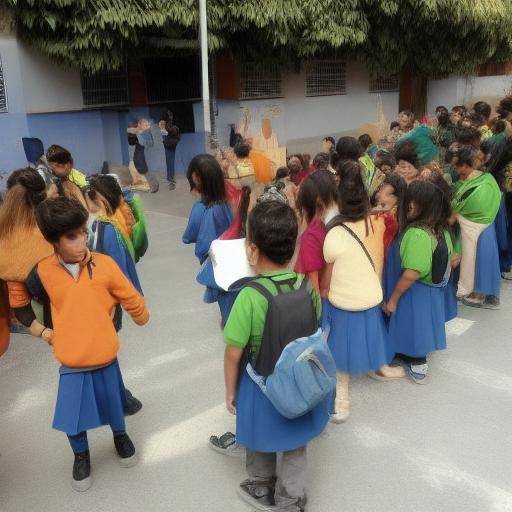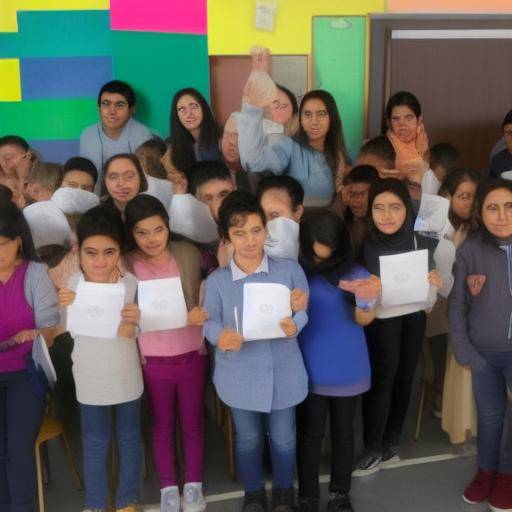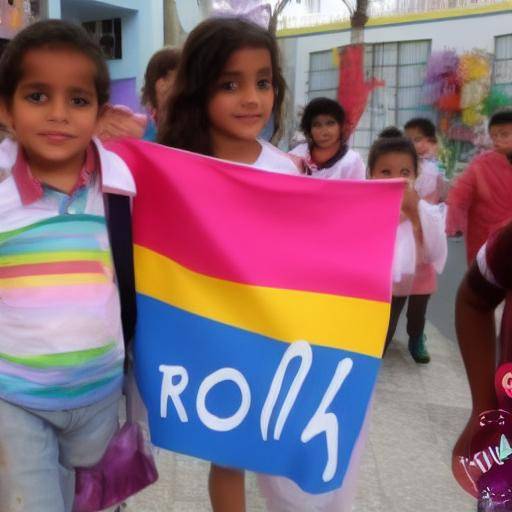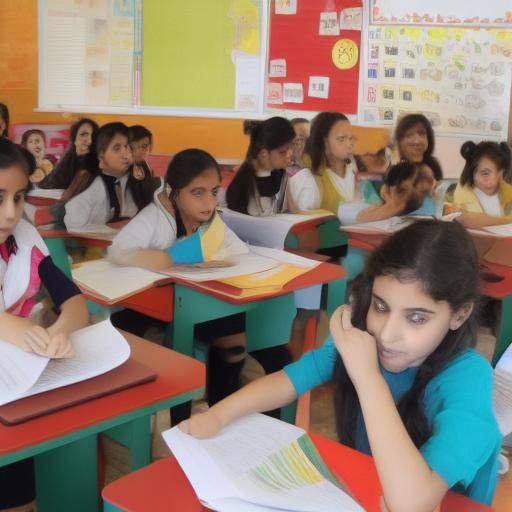
Respect is a fundamental value that must be taught and cultivated in all spheres of life, especially in the educational environment. Integrating respect in the teaching of values not only contributes to the integral development of students, but also fosters a more equitable and harmonious society. In this article, we will explore the importance of integrating respect in the teaching of values, its impact on the development of individuals and society, as well as practical strategies for achieving it effectively.
Introduction
The teaching of values forms the basis of the moral and ethical development of individuals. In this context, respect takes on a crucial role, as it promotes consideration, tolerance and acceptance of diversity. By integrating respect in the teaching of values, educators have the opportunity to positively influence the formation of responsible and compassionate citizens.
In this article, we will analyze the importance of integrating respect in the teaching of values, explore its impact on the educational environment and society in general, and provide practical advice to implement effective strategies in the classroom.
History and Background
The concept of respect has deep roots in humanity, being recognized and valued throughout history in different cultures and civilizations. From the philosophical teachings of ancient Greece to the traditions of respect in Eastern cultures, the value of respect has been fundamental in human coexistence.
In the educational field, respect as a value has been promoted as a fundamental pillar in the integral formation of students. Throughout history, various pedagogical trends have emphasized the importance of inculcating respect in the educational process, recognizing its influence on the development of social skills, conflict management and the promotion of equality and justice.
Deep analysis
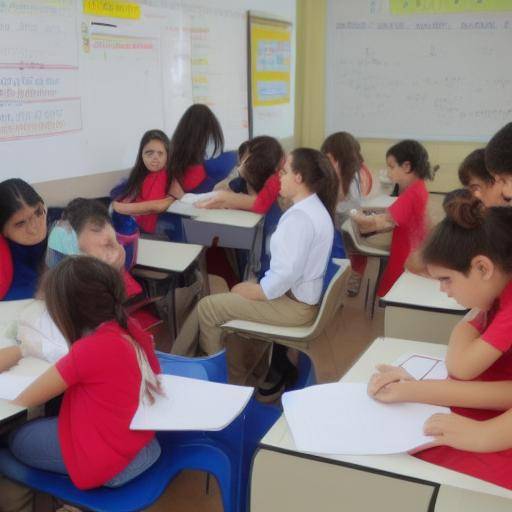
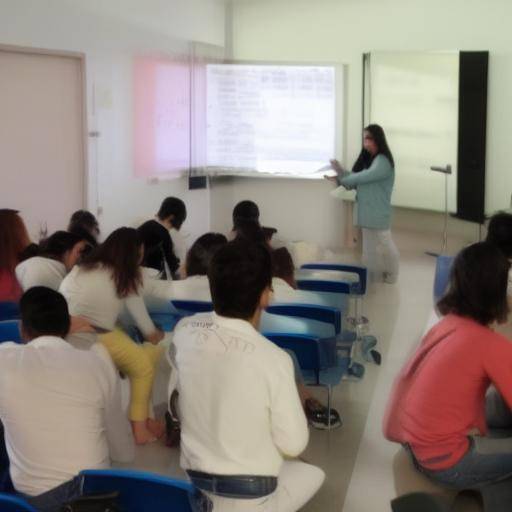
The integration of respect in the teaching of values not only impacts the individual behaviour of students, but also contributes to the construction of a school culture based on dialogue, understanding and mutual respect. Educators have the responsibility to model and promote practices that encourage respect for oneself and others, thus laying the foundations for peaceful and equitable coexistence.
Studies have shown that schools that prioritize the integration of respect in the teaching of values experience a significant improvement in the school climate, the prevention of school harassment and the formation of citizens committed to their social environment. In addition, students who internalize the value of respect show higher levels of empathy, cooperation and peaceful resolution of conflicts.
Comprehensive review
The practical application of strategies to integrate respect into the teaching of values can take various forms. From the implementation of socio-emotional education programmes to the inclusion of curricular contents that promote diversity and equality, educators have the opportunity to address respect in multiple aspects of learning.
Close collaboration with families and the community, the promotion of spaces for reflection and dialogue, and the establishment of clear norms and expectations regarding respect are effective strategies to create an educational environment in which respect is valued and practiced on a daily basis.
Conclusions and FAQs
Conclusions
Integrating respect in the teaching of values is essential for the integral formation of students and to foster a society based on equity, justice and understanding. Educators play a crucial role in promoting practices that promote respect in the educational environment, thus contributing to the construction of a more harmonious and compassionate world. By prioritizing respect in the teaching of values, not only does it strengthen school coexistence, but it prepares new generations to face social challenges with empathy and responsibility.
Frequently asked questions
1. Why is it important to integrate respect into the teaching of values?
The integration of respect in the teaching of values is crucial because it promotes peaceful coexistence, fosters acceptance of diversity and strengthens social cohesion.
2. How can educators promote respect in the classroom?
Educators can promote respect in the classroom by modeling respectful behaviors, including activities that promote empathy and creating open dialogue spaces.
3. What are the benefits of integrating respect into the teaching of values?
The integration of respect in the teaching of values promotes the formation of responsible citizens, contributes to the prevention of bullying and strengthens the social skills of students.
4. What challenges can arise when integrating respect into the teaching of values?
Some challenges may arise by integrating respect into the teaching of values, such as resistance to change, lack of resources or the need for teacher training in effective strategies.
5. How can parents support the integration of respect in the teaching of values?
Parents can support the integration of respect in the teaching of values through the promotion of similar values in the home, active involvement in the education of their children and collaboration with school in respect-related initiatives.
6. What is the long-term impact of integrating respect in the teaching of values?
In the long term, the integration of respect in the teaching of values can contribute to the formation of individuals who promote inclusion, justice and equity in their communities, generating positive impacts on society as a whole.
In short, integrating respect in the teaching of values is a commitment that transcends classrooms and educational institutions, as it contributes directly to the construction of a more just and equitable society. By prioritizing respect as a fundamental value, educators and the educational community as a whole lay the foundation for a future characterized by mutual understanding and acceptance of diversity.