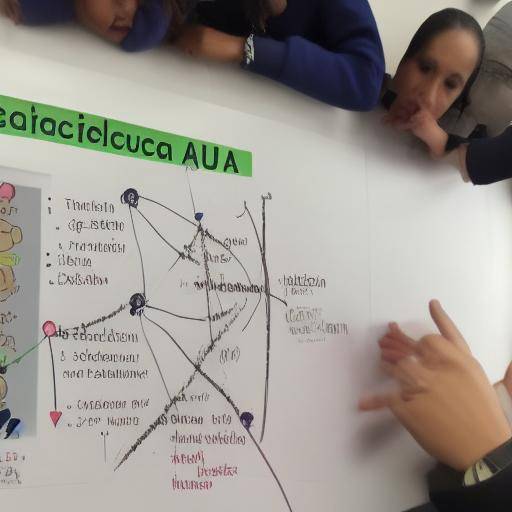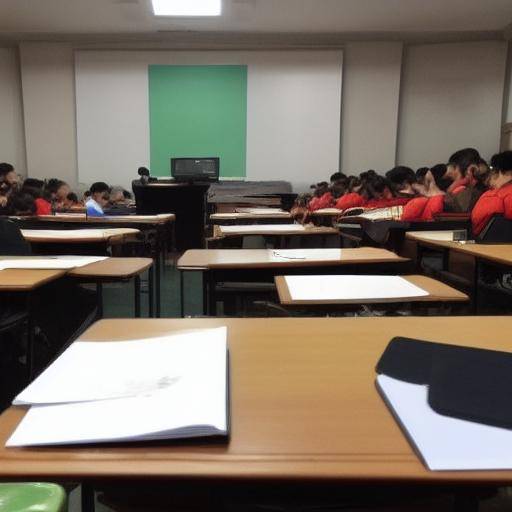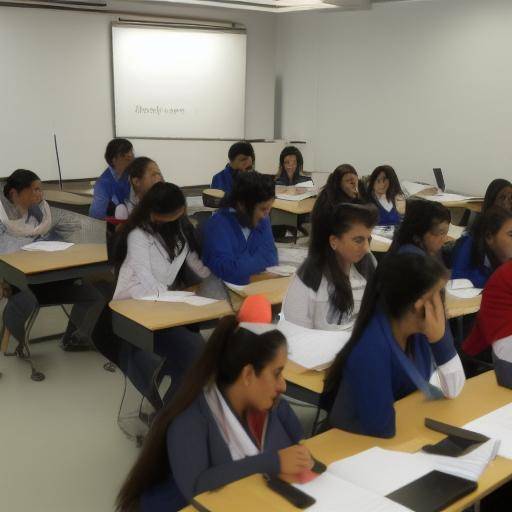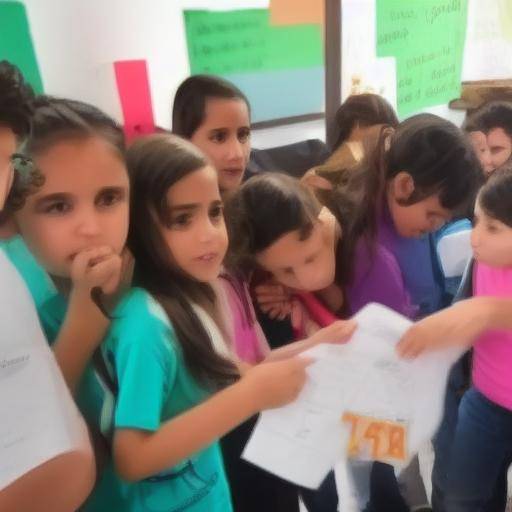
Learning through practical cases is an effective tool to teach students to solve problems in a practical way, applying their theoretical knowledge to real situations. In this article, we will explore the resources available for problem solving teaching through practical cases, their importance, applications, and how educators can use them to promote meaningful and lasting learning in their students.
Introduction
The problem-solving approach through practical cases allows students to face real challenges, fostering critical thinking, informed decision-making, and creative problem solving. This educational methodology is essential to prepare students for the challenges of the real world, and is widely used in educational settings at all levels.
In this article, we will explore the resources available for problem-solving teaching through practical cases, providing a detailed overview of its implementation, benefits, challenges, and best practices. We will also examine current trends, comparisons between different resources, and offer practical advice for educators and trainers who wish to implement this methodology successfully.
History and Background
Teaching through practical cases has its roots in the method of the case, developed at the beginning of the 20th century in Harvard Business Schools and Columbia University. This method was popularized as an effective way of involving students in active learning, allowing them to apply theories and concepts to real business situations.
Over time, the methodology of practical cases spread to various disciplines, from medicine to engineering, becoming a fundamental tool for the development of critical thinking and problem solving in multiple educational contexts.
The evolution of this methodology has been driven by advances in educational technology, which have expanded access to interactive practical cases, simulations, and multimedia resources that enrich the learning experience.
Analysis in Deep
Teaching through practical cases offers multiple benefits, including the promotion of critical thinking, the practical application of theoretical knowledge, and the development of problem solving skills that are fundamental to success in the current working environment.
However, it also presents challenges, such as the selection of relevant and current cases, the evaluation of the skills acquired by students, and the need for resources and training for educators who wish to implement this methodology effectively.
At present, resources for problem-solving education through practical cases include online educational platforms that offer a wide range of interactive practical cases, simulations, and evaluation tools, as well as online communities where educators can exchange practical cases and best practices.
Comprehensive review
The effective application of resources for problem-solving teaching through practical cases requires a deep understanding of student learning needs and styles, as well as the ability to select relevant and current cases that challenge and motivate students to apply their theoretical knowledge to real situations.
Some best practices include the use of practical cases that reflect the diversity of contexts and challenges that students will find in the real world, as well as the integration of evaluation tools that enable educators to effectively measure the skills acquired by students.
Comparative analysis
By comparing different resources for problem-solving through practical cases, it is essential to consider flexibility, diversity of cases, support for evaluation, and integration with the existing curriculum. Some educational platforms offer interactive practical cases and simulations, while others focus on collaborative case creation by the educational community.
Regardless of the chosen resource, it is essential to ensure that practical cases are relevant, challenging and have practical applications in the real world, which will enable students to develop problem solving skills effectively.
Practical Tips and Accessible Advice
For educators and trainers who wish to implement problem-solving teaching through practical cases, it is essential to provide practical guidance and advice. Some tips include:
- Careful selection of practical cases that reflect real challenges and are relevant to students.
- Integration of educational technology to enrich the learning experience through interactive practical cases and simulations.
- Continuous training for educators on the effective selection and evaluation of case studies.
- Promoting collaboration among colleagues to exchange practical cases and best practices.
By following these tips, educators can offer an enriching educational experience that will prepare students to face real world challenges effectively.
Perceptions of Industry and Expert Reviews
Industry perceptions and expert views are critical to understanding current and future trends in problem-solving through practical cases. Experts on educational technology, pedagogy and related fields offer a valuable insight into the innovations, challenges and opportunities that impact this educational methodology.
According to the experts, the future of teaching through practical cases will focus on the development of more interactive educational platforms, the integration of increased and virtual reality in practical cases, and collaboration between educational institutions to share quality resources and practical cases.
Case Studies and Applications in Real Life
Case studies that demonstrate practical applications of problem-solving teaching through practical cases provide a detailed overview of how this methodology can impact learning and skills development in real contexts. These studies can come from different disciplines, from business to social sciences, and highlight the tangible benefits for students and professionals.
For example, a case study at a business school can show how students applied their theoretical knowledge to real business situations, identified problems, developed solutions and presented recommendations to senior executives. These practical cases demonstrate the significant impact on the development of key skills for professional success.
Future Trends and Predictions
Continuous growth of online educational resources and platforms, the advancement of artificial intelligence applied to education, and the growing demand for problem solving skills in the working environment, point to a promising future for the teaching of problem solving through practical cases.
Predictions suggest that the integration of virtual reality and increased in practical cases, together with more advanced evaluation systems, will transform the way students face complex challenges and develop key skills for success in the modern working world.
Conclusion
In short, the teaching of problem-solving through practical cases is a valuable educational methodology that prepares students to face real-world challenges effectively. Careful selection of resources, collaboration among educators, and the integration of educational technology are essential to provide an enriching and meaningful learning experience for students.
Frequently asked questions
What is the difference between practical cases and theoretical problems in teaching?
Practical cases offer students real or simulated situations that require the application of theoretical knowledge to specific contexts, fostering problem solving skills and decision-making. On the other hand, theoretical problems focus on the direct application of theoretical concepts to abstract elements, without necessarily reflecting situations of the real world.
How can I find relevant practical cases for my teaching area?
There are various sources to find relevant practical cases, such as academic journals, specialized databases, online educators communities, and educational platforms that offer a wide variety of practical cases in different disciplines.
What is the importance of assessment in teaching through practical cases?
Evaluation is fundamental in teaching through practical cases, as it allows measuring problem solving skills development, informed decision-making, and critical thinking in students. The selection of effective evaluation tools is key to measuring the impact of this educational methodology.
How can I integrate practical cases into an existing curriculum?
Effective integration of practical cases into an existing curriculum requires careful planning, identifying relevant thematic areas where practical cases can enrich the learning experience of students. Collaboration with colleagues and the selection of practical cases that reflect educational objectives is crucial.
What role does educational technology play in teaching through practical cases?
Educational technology plays a crucial role in enriching the learning experience through practical cases, offering interactive simulations, multimedia resources, and collaborative platforms that enable students to interact with real-world situations in a dynamic and meaningful way.
What are the current trends in problem-solving teaching through practical cases?
Current trends include the development of more interactive educational platforms, the integration of augmented and virtual reality in practical cases, and collaboration between educational institutions to share quality resources and practical cases.
How can I evaluate the effectiveness of teaching through practical cases in the development of problem solving skills in my students?
The evaluation of the effectiveness of teaching through practical cases can be carried out through the direct observation of the application of theoretical knowledge to real situations, the creation of rubrics to evaluate specific skills, and the collection of feedback from students on the usefulness and relevance of practical cases.
In conclusion, the teaching of problem solving through practical cases is a valuable educational methodology that offers students the opportunity to apply their theoretical knowledge to real situations, fostering the development of key skills for success in the world of work. Careful selection of resources, effective integration into the curriculum, and collaboration among educators are critical to maximizing the impact of this educational methodology.