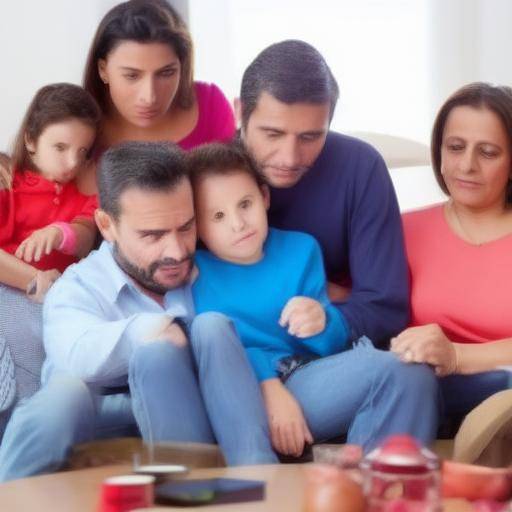
Family conflicts are situations that can affect harmony and stability in the home. Managing communication effectively during these difficult times is crucial to achieving a peaceful resolution and strengthening family ties. In this article, we will explore the importance of communication in the management of family conflicts, providing practical advice, examples of common situations, and expert recommendations to promote healthy communication in the family environment.
Introduction
Communication plays a fundamental role in family dynamics, as it influences the way emotions are expressed, conflicts are resolved, and confidence is established among its members. During times of conflict, the way in which the communication is addressed can determine whether the problem is aggravated or solved constructively.
In this guide, we will explore how to handle communication during family conflicts, focusing on the impact of effective communication on reaching agreements, fostering empathy and strengthening family ties. From understanding the importance of non-verbal language to tools to improve active listening, we will provide a complete set of strategies to improve communication at times of tension.
History and Background
The dynamics of communication in families have evolved considerably throughout history, influenced by sociocultural changes, technological advances and new approaches in psychology and family therapy. From traditional family structures to modern dynamics, communication has been a central hub in conflict resolution and the construction of healthy relationships.
Origins and Evolution
The way family conflicts were addressed at different times reflects prevailing beliefs and values in each historical context. From ancient Greece to contemporary family dynamics, we can observe significant changes in the way communication was understood and addressed in the family sphere. The influence of figures such as Plato, Aristotle and its impact on communication theories provides a historical framework to understand the evolution of family communication.
Significant Milestones and Developments
The emergence of family psychology as an interdisciplinary field has contributed to a more comprehensive approach to understanding family conflicts and their relationship to communication. The pioneering work of family therapists such as Virginia Satir and Murray Bowen have laid the foundation for addressing interpersonal issues from a systemic and communicative perspective. These historic milestones have influenced the development of modern strategies for communication management during family conflicts.
Analysis in Deep
The current dynamics of families, marked by globalization, technological advancement and changes in gender roles, have significantly impacted the way in which conflicts are communicated and resolved. Digitalization has introduced new communication tools, but has also raised challenges in managing family relationships. Analyzing current trends in family communication provides a comprehensive view of challenges and opportunities for effective conflict management.
Benefits and Challenges
Effective communication during family conflicts entails a number of benefits, as well as challenges that require focus and resolution. Understanding these aspects is critical to implementing strategies that promote healthier communication in the family environment.
Benefits
- Promotion of empathy: Effective communication allows family members to express their emotions and concerns, fostering mutual understanding and empathy.
- Strengthening family ties: The constructive resolution of conflicts through communication can strengthen family cohesion, promoting a sense of union and mutual support.
- Prevention of future misunderstandings: Addressing problems in an open and assertive way during family conflicts helps avoid recurring misunderstandings and establish clear expectations within the family.
Challenges
- Barriers for open communication: Some family members may face difficulties in expressing their emotions or concerns, which may hinder the effective resolution of conflicts.
- Negative communication patterns: The presence of toxic communication patterns, such as evasion or constant criticism, poses a significant challenge in trying to manage family conflicts constructively.
- Resistance to change: The implementation of new communication strategies can face resistance by some family members, which requires a gradual and comprehensive approach to meaningful changes.
Comprehensive review
The management of communication during family conflicts involves the implementation of practical strategies and the understanding of interpersonal dynamics in the family environment. We will thoroughly explore applications, case studies and best practices for effective communication in conflict situations.
Case applications and studies
We will analyse real cases in which the implementation of communicative strategies has contributed to the resolution of family conflicts. These cases will provide concrete examples of common situations, as well as successful approaches to addressing them.
Best Practices and Recommendations
We will highlight practical recommendations supported by experts in family therapy and interpersonal communication. These best practices will provide clear guidelines for improving communication during family conflicts, and include active listening strategies, assertiveness and emotional management.
Comparative analysis
We will compare different approaches and methods for managing communication during family conflicts, evaluating their advantages and disadvantages. This analysis will provide a comprehensive view of available strategies, allowing families to select those that best fit their dynamics and specific needs.
Tips and Suggested Actions
To promote effective communication during family conflicts, it is crucial to provide practical advice and concrete actions that family members can implement in their daily lives. These councils will provide clear guidelines for improving communication and addressing conflicts in a constructive manner.
Non-Verbal Communication Strategies
Non-verbal communication plays a significant role in family dynamics. We will provide strategies to interpret and use body language and facial expressions to promote more effective communication during conflict.
Tools for Active Listening
Active listening is essential to understanding the needs and emotions of others. We will offer tools and techniques to promote active listening within the family, which will allow members to feel understood and valued.
Management of Emotions and Conflict
We will provide strategies to manage emotions constructively during family conflicts, including setting healthy boundaries and managing anger or frustration respectfully.
Industry Perspectives and Expert Reviews
Gathering ideas and perspectives of experts in family therapy, psychology and interpersonal communication will enrich the content, offering readers a variety of opinions based on experience and expertise.
Future Implications
We will discuss the future implications of communication during family conflicts, considering how current trends in interpersonal and family communication could influence family dynamics in the future.
Interviews and Dating
We will include interviews with experts in family therapy and psychology, as well as relevant citations of academic studies and renowned publications, to support the recommendations and advice provided in the article.
Case Studies and Practical Applications
We will present real cases that illustrate the successful implementation of communicative strategies in the resolution of family conflicts. These case studies will provide concrete examples of common situations, as well as effective approaches to addressing them, providing readers with a practical and applicable context.
Future Trends and Predictions
We will explore emerging trends related to communication, family conflicts and management, offering future predictions based on current data and expert opinions. This analysis will provide a prospective view of how communication and the management of family conflicts could evolve in the coming years, offering readers an early look at the future of the topic.
Conclusions and FAQs
Conclusions
In the conclusions section, we will summarize the key points of the article, reinforcing the importance of effective communication in the management of family conflicts and highlighting the value of implementing the strategies and recommendations offered. The conclusion will provide a solid closure that motivates readers to reflect on the importance of communication in the family context.
Frequently asked questions
We will discuss common questions related to communication, family conflicts and their management, offering detailed and insightful answers that will explore different aspects and nuances of the topics. This resource will provide readers with additional information and clarify common concerns related to the management of family conflicts through effective communication.
In short, managing communication during family conflicts is a crucial aspect of promoting healthy relationships and resolving problems constructively. By clearly defining the historical importance, benefits, challenges, practical strategies, comparative analysis, industry perspectives, applications and future trends in relation to communication during family conflicts, this article seeks to provide a comprehensive and comprehensive guide that will help readers to strengthen family relations through effective communication.