Meditation is a millennial practice that has been gaining popularity in modern society due to its positive impact on mental, emotional and physical health. However, its influence on family health is a topic that deserves deeper exploration. In this article, we will discuss in detail the impact of meditation on family health, exploring its history, benefits, challenges, practical applications, future trends and much more. Discover how meditation can be a powerful tool to promote physical and emotional well-being at home.
History and Background of Meditation
Meditation has a rich history dating back thousands of years. Its origins are found in different religious and philosophical traditions, such as Buddhism, Hinduism and Taoism. Over the centuries, the practice of meditation has evolved, adapting to various cultures and contexts. From the ancient wisdom teachings to their introduction into modern medicine, meditation has experienced a fascinating journey.
As meditation gained recognition in the academic, scientific and medical spheres, it became a focus of attention for researchers and health professionals. Studies have shown their positive effects on stress reduction, anxiety and depression, as well as on strengthening emotional resilience and improving overall well-being.
Deep Analysis of the Benefits of Meditation in Family Health
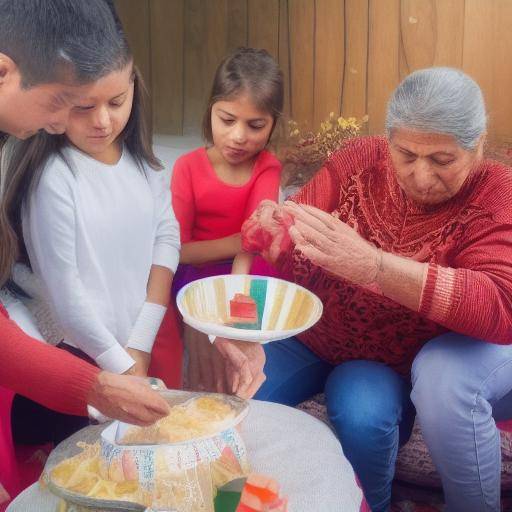
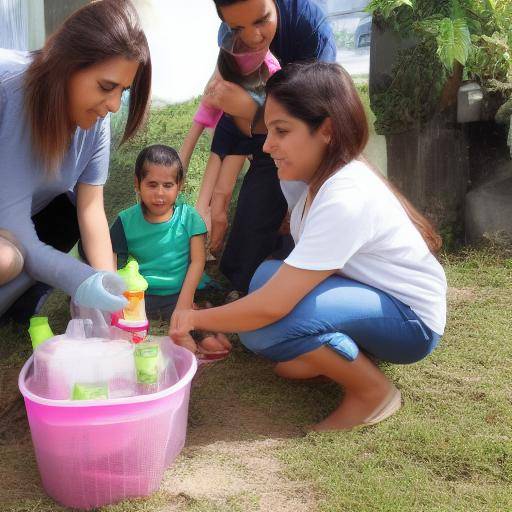
Meditation not only has individual benefits, but can also have a significant impact on the health and well-being of the whole family. By practising meditation collectively, stronger links can be created, fostering emotional understanding and improving communication within the family nucleus. Family meditation can be a tool to generate an environment of calm, harmony and connection.
Physical benefits
The physical benefits of meditation are translated into a positive impact on family health. The reduction of stress and anxiety contributes to a more peaceful and relaxed home environment, which can have beneficial effects on cardiovascular health, sleep quality and chronic disease management. Regular practice of meditation can foster healthy living habits throughout the family, from a balanced diet to regular physical activity.
Emotional and Mental Benefits
The practice of family meditation can foster compassion, empathy and peaceful conflict resolution. Improvement in emotional regulation and stress management can strengthen family ties, promoting mutual support, understanding and effective communication. These emotional and mental benefits can create a more loving and stable family environment.
Social benefits
Meditation fosters interpersonal connection and mutual understanding, promoting a climate of harmony and cooperation in the home. By practicing meditation together, family members can strengthen their emotional bond, foster empathy and active listening, and cultivate a sense of unity.
Spiritual Benefits
For some families, meditation can be an opportunity to explore spirituality and connection with something greater than oneself. This spiritual dimension can provide comfort, hope and purpose shared through the practice of family meditation.
Practices and Best Practices
Family meditation can take various forms, from guided practices to the incorporation of meaningful rituals and ceremonies. Some families choose to meditate together in the morning or before bed, while others opt for activities such as walking in nature or performing conscious breathing exercises as a form of group meditation. It is important for each family to discover what approaches and practices work best for them, adapting them to their individual needs and preferences.
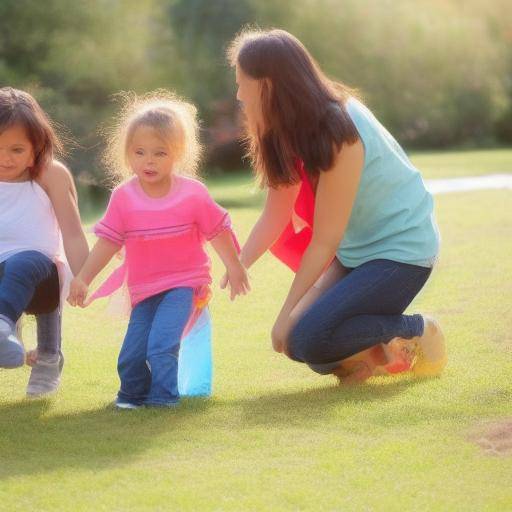
The family environment can be the ideal setting for introducing children into the practice of meditation. By teaching them emotional self-regulation skills from an early age, they are given a solid basis for managing stress, cultivating full attention and developing greater awareness of themselves and others. Family meditation can be an opportunity to teach children the value of inner tranquility and self-care, training them to face the challenges of life with greater calm and clarity.
Future Trends and Predictions
As awareness of the benefits of family health meditation continues to grow, we are likely to see a renewed emphasis on integrating meditation into family welfare programmes, schools and community environments. Future research will probably broaden our understanding of how meditation can strengthen family ties, improve communication and promote family resilience in challenging times.
Emerging technologies, such as guided meditation applications and biofeedback devices, can facilitate the practice of family meditation, offering practical tools and resources accessible to families who want to incorporate meditation into their daily lives. In addition, meditation is likely to find its place in early intervention and family support programs, where its potential to strengthen family relationships and promote the emotional and mental health of all family members will be recognized.
Conclusion
In short, meditation can have a significant impact on family health by strengthening emotional ties, promoting physical health and fostering an atmosphere of understanding and harmony at home. By incorporating meditation into family life, a solid foundation for long-term well-being can be established, offering tangible benefits to all family members.
Understanding and harnessing the transformative power of meditation in the family context can be a valuable tool to promote the integral health of each individual and family as a whole. By providing space for reflection, connection and development of full consciousness, meditation can contribute to building stronger and healthy families in an increasingly challenging world.
Frequently asked questions about Meditation and Family Health
1. How can I incorporate meditation into everyday family life?
The way you incorporate meditation into family life can be adapted to your family's needs and preferences. You can experiment with different moments of the day, approaches and types of meditation to find what works best for everyone.
2. Is family meditation suitable for children?
Yes, family meditation can be beneficial to children by promoting emotional self-regulation, full attention and self-consciousness and others. It is important to adapt meditation practices to the age and capacity of children.
3. What specific benefits can meditation offer in the resolution of family conflicts?
Meditation can foster calm, empathy and mutual understanding, which can facilitate the peaceful resolution of conflicts. By promoting mental clarity and emotional regulation, meditation can help reduce the intensity of disputes and improve communication.
4. Is there scientific evidence to support the benefits of family health meditation?
Yes, many studies have demonstrated the positive effects of meditation on mental, emotional and physical health, and its ability to strengthen family ties and promote family well-being.
5. How can I start my family in meditation if they are skeptical or reluctant?
Introducing meditation to a skeptical family may require patience and understanding. It is useful to share information on the demonstrated benefits of meditation and to offer practical activities to experience the positive effects.
6. What family meditation activities can be suitable for different ages?
Family meditation activities can be adapted to different ages, from simple breathing and visualization exercises for children to more advanced guided practices for adults. The key is to adapt practices to the capacity and understanding of each family member.
By understanding and harnessing the transformative potential of meditation on family health, we can foster an environment of holistic well-being and emotional security at home. Meditation is not only a tool for personal growth, but also a means to strengthen family ties, promote effective communication and cultivate a space of tranquility and harmony within the family.
Constant practice and the integration of meditation into family life can generate lasting benefits, training each family member to face everyday challenges with greater balance, understanding and resilience. Family meditation is a shared growth journey that can enrich the experience of family life and foster an environment of love, understanding and mutual support.