Friendships are a fundamental part of life, but even among best friends, differences of opinion may arise. Managing these discrepancies effectively is essential to preserving and strengthening relationships. In this article, we will explore practical strategies to address differences of opinion among friends, understanding that these disagreements are normal and can be an opportunity for personal growth and link-building. Throughout these pages, we will discover how to foster open communication, practice empathy and reach constructive agreements that strengthen our friendly relationships.
The Impact of Opinion Differences
Differences of opinion are inevitable in any kind of relationship, including friendships. These discrepancies may arise from divergences in values, interests, perceptions or simply by an interpretation other than a situation. It is important to understand that the clash of opinions should not be a cause for rupture, but an opportunity for reflection, learning and mutual enrichment.
The Importance of Communication
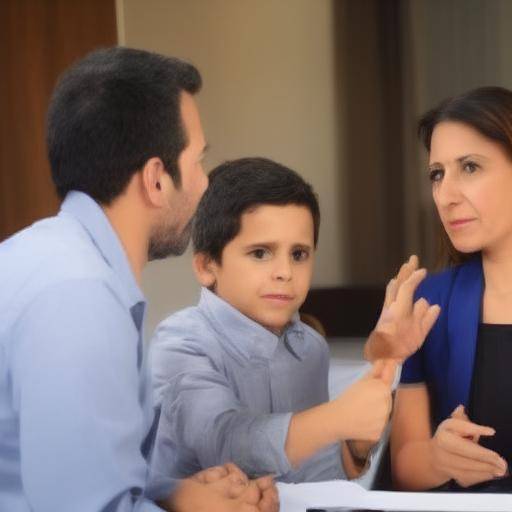
Effective communication is the cornerstone to handle differences of opinion. Instead of avoiding conflict, it is crucial to foster open and respectful dialogue. Actively listening to our friend, clearly expressing our views and keeping the mind open are fundamental steps to find a common ground and achieve solutions that benefit both sides.
Practices to Manage Opinion Differences
Here are a series of practical recommendations to address the discrepancies of opinion with friends:
- Empathy and Understanding: Try to understand the perspective of the friend and show empathy towards their emotions and positions.
- Mutual respect: Keep an atmosphere of mutual respect, avoiding disqualifications or aggressive attitudes.
- Search for Agreements: Explore compromise options where both parties yield and feel satisfied with the result.
- Separation from the Problem Person: Focus the discussion on the specific topic, avoiding personal attacks or generalizations.
- Give Time to Reflect: In tense situations, it may be useful to take a time to reflect before continuing the conversation.
The Role of Empathy in Conflict Resolution
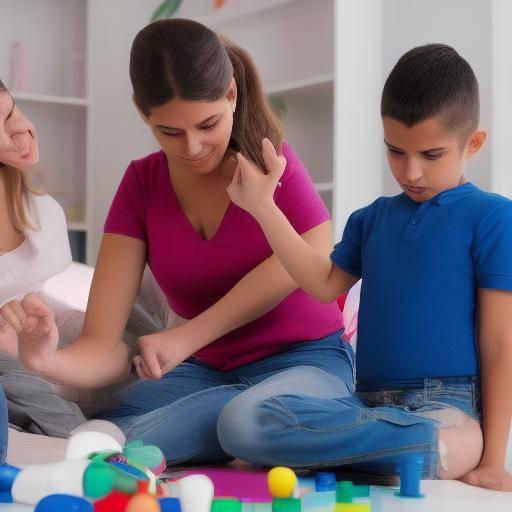
Empathy is a crucial skill in confronting differences of opinion. Putting yourself in the place of the other, understanding your emotions and perspectives, allows you to build bridges of understanding and facilitates conflict resolution. Empathy fosters an atmosphere of openness and collaboration, creating enabling spaces to find consensus solutions and strengthen friendship.
Strategies to cultivate empathy
- Active listening practice: Listen carefully to our friend, paying attention to his emotions and not just to his words.
- Question and Inquire: Ask questions to better understand the position and motivations of the friend.
- Validate Emotions: Recognize the feelings expressed by the friend, showing understanding and consideration.
Integrating Monitoring and Commitment
It is essential to follow a firm path in the resolution of disagreements to maintain a solid and committed friendship. Establishing agreements with active follow-up, demonstrating commitment to improving communication and being open to forgiveness and reconciliation are key aspects for effective management of differences of opinion among friends.
Practical Steps to Maintain Agreements
- Follow-up quotes: Set specific moments to review progress and implementation of agreements reached.
- Demonstrate Commitment on Action: Compliance with the commitments made demonstrates sincerity and consolidation of friendship.
- Forgiveness and Reconciliation: Accepting mistakes, forgiving and seeking reconciliation are essential processes to overcome disagreements and strengthen friendships.
Conclusion
Managing differences of opinion among friends is an invaluable skill that strengthens relationships and promotes personal growth. Empathy, effective communication and active engagement are the pillars upon which constructive conflict resolution is built. By addressing differences with openness and respect, friends can transform disagreements into opportunities to learn, grow and strengthen their relationship.
FAQs
How can I address a difference of opinion with a friend without the discussion becoming a conflict?
Addressing a difference of opinion constructively implies maintaining calm, actively listening and expressing your views with respect. Focusing on the issue in question and avoiding personal attacks is fundamental to preventing the discussion from becoming a conflict.
What should I do if I feel that my friend does not listen to my views during a discussion?
If you feel that your friend is not listening to you, try to explain your views clearly and calmly. You can ask him directly if he's understanding you and what he thinks about it. Open and honest communication is key to overcoming misunderstandings.
How can I cultivate empathy towards my friend during a difference of opinion?
Cultivating empathy involves putting yourself in the place of your friend, trying to understand their emotions and perspectives, and showing consideration for their feelings. Active listening, asking questions to better understand your position and validate your emotions are effective strategies to cultivate empathy.
What is the role of forgiveness in solving differences between friends?
Forgiveness is crucial in solving differences between friends. Accepting mistakes, forgiving and seeking reconciliation promotes the healing of friendship and strengthens affectionate ties. It is important to be willing to forgive and apologize when necessary to maintain a healthy relationship.
How can I maintain agreements and commitments after resolving a difference of opinion with my friend?
Maintaining agreements and commitments involves establishing follow-up appointments to review progress, demonstrate commitment to action and be prepared to comply with the agreed. Sincerity and consistency in the implementation of the agreements strengthen trust and stability in friendship.
What attitudes or behaviors should avoid when confronting differences of opinion with a friend?
In dealing with differences of opinion, it is important to avoid aggressive attitudes, disqualifications or generalizations. Personal attacks should also be avoided and focused on the specific subject rather than diverting discussion to personal aspects.
In short, managing the differences of opinion between friends requires practice, patience and commitment. By cultivating empathy, practicing effective communication and maintaining agreements with active follow-up, friendships can overcome disagreements and strengthen their ties.