Adolescence is a crucial stage in anyone's life, and during this transition time, it is essential to teach young people to manage their money effectively. Learning financial skills from an early age gives them the tools to make smart financial decisions throughout their lives. In this article, we will explore effective strategies to teach adolescents to manage their money, providing valuable information, practical advice and reflections on the importance of financial education at this stage of life.
Importance of financial education for adolescents
In today's society, where consumption and pressure to acquire material goods can be overwhelming, it is essential that adolescents acquire a solid understanding of how to manage their money in a responsible way. Lack of financial education can lead to unchecked spending habits, unnecessary indebtedness and long-term economic difficulties. Therefore, teaching adolescents the basic principles of money management provides them with the skills necessary to make informed financial decisions and avoid possible problems in the future.
History and evolution of financial education for adolescents
Financial education for adolescents has evolved significantly over the years. Initially, these skills were rarely taught in formal educational settings and depended largely on the transmission of knowledge by parents. Over time, the need to integrate financial education into the school curriculum was recognized, leading to greater awareness of the importance of including issues related to money and financial management in youth training.
Benefits of teaching teenagers to manage their money
The teaching of financial skills to adolescents entails a number of significant benefits. In addition to providing them with know-how on budgets, savings and investment, this education fosters informed autonomy, responsibility and decision-making. Adolescents who understand the foundations of money management are better prepared to face future financial challenges and build a solid foundation for their long-term economic well-being.
Current challenges and trends in financial education for adolescents
Despite its importance, the teaching of financial skills to adolescents presents certain challenges. One of the main obstacles is the lack of specific educational programmes that comprehensively address money management for this age group. In addition, the influence of technology and unlimited access to online financial information pose additional challenges and opportunities in financial education for adolescents. It is crucial to adapt educational approaches to incorporate strategies that resonate with digital generation and address the complexities of an evolving financial world.
Effective strategies to teach adolescents to manage their money
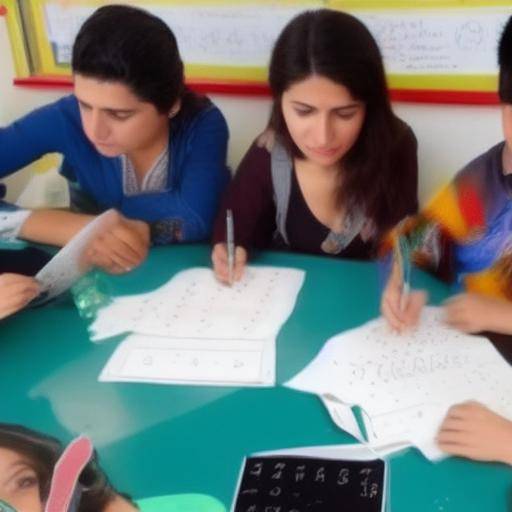
An effective strategy to teach teenagers to manage their money is to involve practical experiences in their learning. Implementing activities that simulate real financial situations, such as creating budgets, controlling expenses and setting savings targets, gives them the opportunity to apply their knowledge significantly. In addition, fostering open communication on financial issues at home and in the educational environment allows them to acquire a wider understanding of money management.
Conclusion
Teaching teenagers to manage their money not only provides them with practical skills, but also inculcates essential values related to responsibility, informed decision-making and long-term planning. By providing them with the tools necessary to manage their money effectively, we create a positive impact on their future financial well-being and enable them to face economic challenges with confidence and security.