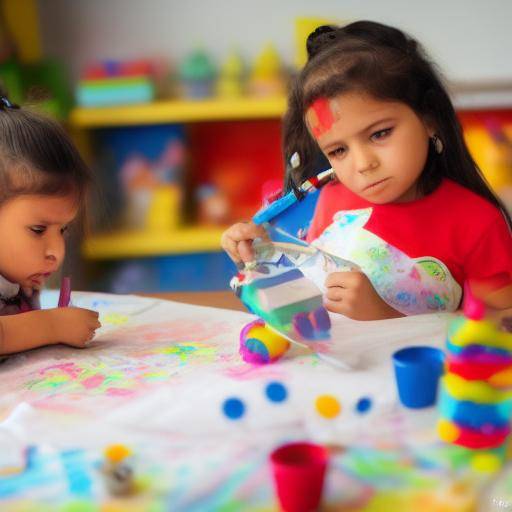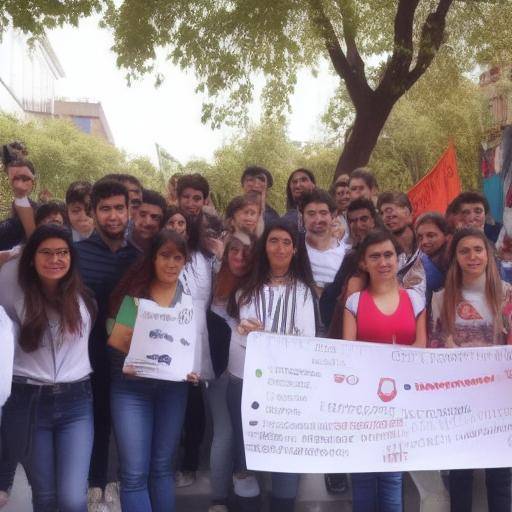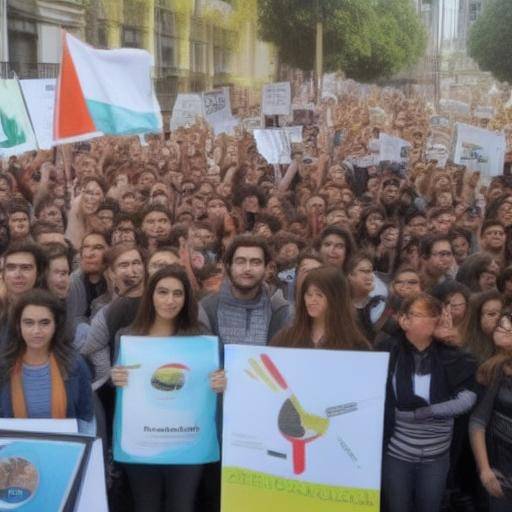

Intercultural dialogue in the family is crucial to fostering understanding, respect and acceptance of diversity. In an increasingly globalized world, families have the responsibility to promote an environment in which cultural differences are valued. In this article, we will explore strategies to foster intercultural dialogue in the family nucleus, as well as its importance and benefits.
Introduction
Intercultural dialogue in the family is a crucial aspect of raising children who understand and value cultural diversity. Promoting this dialogue allows family members to learn about the different cultures present in society, which generates respect, tolerance and appreciation for differences. It also facilitates the integration of multiple perspectives and experiences, enriching family life. Throughout this article, we will explore how to foster this dialogue within the family, the challenges that arise and the benefits of doing so. In addition, we will provide advice and techniques to promote intercultural dialogue in the family.
History and Background
Intercultural dialogue in the family has its roots in the ancestral need to understand and live with different cultures. Since ancient times, cultures have interacted, exchanged knowledge, customs and traditions. Throughout history, the world has witnessed artistic, religious, culinary and linguistic manifestations that reflect interaction between different cultures. From the old trade routes to the era of globalization, cultural exchange has been a constant in human evolution.
Analysis in Deep
Intercultural dialogue in the family brings many benefits, including the expansion of the world perspective of its members, the fortification of individual and collective cultural identity, and the promotion of empathy and self-esteem. However, it also poses challenges, such as managing potential cultural conflicts, the need to balance different practices and values, and overcoming linguistic and communication barriers.
Comprehensive review
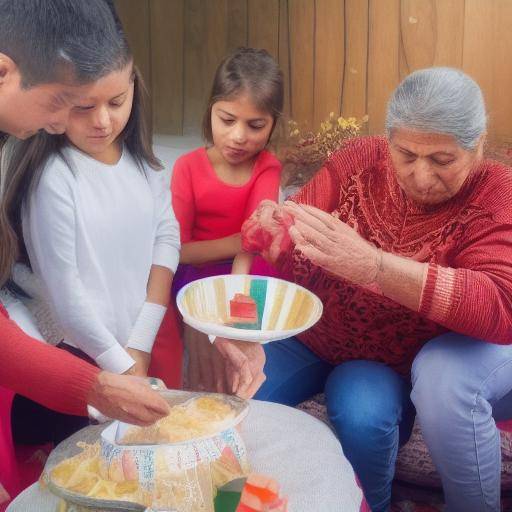
To foster intercultural dialogue in the family, it is vital to implement practices that promote understanding and assessment of differences. In this sense, exposure to different cultural manifestations through music, literature, cinema and gastronomy can play a fundamental role.
Comparative analysis
In fostering intercultural dialogue in the family, it is important to recognize the similarities and differences between cultures present in the family environment. Raising these similarities can help find connection points, while addressing differences from mutual understanding and respect is essential to promoting harmony and understanding.
Practical Tips and Accessible Tips
To promote intercultural dialogue in the family, it is advisable to establish open spaces of conversation, in which the exchange of experiences and perspectives without judgments is encouraged. Family members can also be encouraged to explore and learn about different cultures, either through travel, reading or participation in cultural events.
Perceptions of Industry and Expert Reviews
Experts in the field of intercultural dialogue in the family emphasize the importance of fostering inclusion, respect and mental openness in the family environment. They also highlight the need to recognize and celebrate cultural diversity as an enriching asset that contributes to the development of more tolerant and cohesive individuals and societies.
Case Studies and Real Life Applications
Many examples in various parts of the world highlight how intercultural dialogue in the family strengthens family ties, promotes empathy and understanding, and prepares family members to interact respectfully and constructively in multicultural settings.
Future Trends and Predictions
Future trends in intercultural dialogue in the family aim at greater awareness and appreciation of diversity, as well as the progressive integration of practices that foster harmonious and enriching intercultural coexistence.
Conclusion
Promoting intercultural dialogue in the family is a fundamental step towards building more inclusive and understanding societies. By promoting respect, tolerance and openness to cultural diversity in the family environment, it contributes to the development of more connected and respectful individuals and communities.
We hope that this article has provided a detailed understanding of the importance of fostering intercultural dialogue in the family, as well as practical recommendations for implementing this approach at home.
Frequently asked questions
Why is it important to foster intercultural dialogue in the family?
Promoting intercultural dialogue in the family is important because it promotes understanding, respect and acceptance of cultural diversity, preparing family members to interact in a respectful manner in multicultural settings.
What are the benefits of promoting intercultural dialogue in the family?
Benefits include expanding the world perspective of family members, strengthening individual and collective cultural identity, and fostering empathy and self-esteem.
What are the challenges of fostering intercultural dialogue in the family?
Some challenges include managing possible cultural conflicts, balancing different practices and values, and overcoming language and communication barriers.
How can intercultural dialogue be fostered in the family?
It is vital to implement practices that promote understanding and assessment of differences, as well as to establish open spaces of conversation and encourage exploration and learning about different cultures.
What is the role of intercultural dialogue in promoting family harmony?
Intercultural dialogue promotes mutual understanding, openness to cultural enrichment and building strong family ties based on respect and acceptance of diversity.
How can parents foster intercultural dialogue at home?
Parents can promote intercultural dialogue by facilitating open discussions on cultural diversity, encouraging participation in multicultural activities and modeling inclusive and respectful attitudes.
In short, fostering intercultural dialogue in the family is essential to building more inclusive and understanding societies. By celebrating cultural diversity and promoting mutual respect, families contribute to the creation of environments in which each individual feels valued and accepted.
Tip: Publish this article in a blog or website related to family, upbringing, multiculturalism or education issues to reach an audience interested in these issues. Good luck!