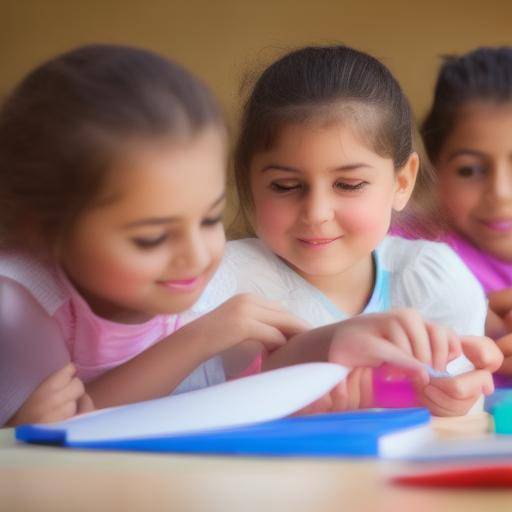
Emotional intelligence is a crucial skill for success in personal and professional life. A person with high levels of emotional intelligence can understand and manage their own emotions, as well as those of others, leading to healthier relationships, more effective decision-making and greater general well-being. In the educational context, it is essential to promote emotional intelligence in students, as it provides them with the necessary tools to meet the challenges of life with resilience and empathy. Then we will explore various activities that can be implemented to improve emotional intelligence in students, as well as their importance and benefits.
Importance of emotional intelligence in students
Emotional intelligence is a fundamental aspect of student development, as it directly influences their ability to manage stress, establish and maintain healthy interpersonal relationships, as well as their resilience to everyday challenges. Students with high emotional intelligence tend to be more collaborative, compassionate and face problems effectively, which positively impacts their academic performance and overall well-being.
Why is it important to foster emotional intelligence in students?
Promoting emotional intelligence in students not only contributes to their emotional well-being, but also prepares the ground for them to become emotionally healthy and socially competent adults. In addition, the skills related to emotional intelligence, such as empathy, self-consciousness and emotional management, are essential for successful work and social interactions in adult life.
Activities to improve emotional intelligence
Below are various activities that can be implemented in the educational field to promote and improve emotional intelligence in students:
1. Development of emotional self-consciousness
Emotional self-consciousness is the basis of emotional intelligence. Helping students recognize and understand their own emotions is essential to promote their emotional development. Some activities to promote emotional self-consciousness include:
- Emotional diary: Invite students to take a diary in which they register their daily emotions, identify situations that trigger them and reflect on their emotional responses.
- Emotion wheel: Using a wheel of emotions with which students can identify and express how they feel in different situations.
2. Promoting empathy and emotional understanding
Empathy is fundamental to building healthy and respectful relationships. The following activities can promote empathy and emotional understanding in students:
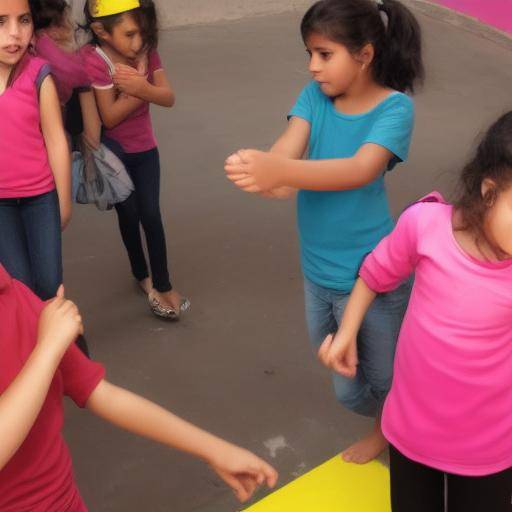
- Empathy in action: Develop activities that encourage collaboration and teamwork, allowing students to understand the different perspectives and emotions of their peers.
- Situation Analysis: Introduce students to hypothetical or real situations that require empathy and emotional understanding to resolve conflicts or problems.
3. Emotional management skills development
Emotional management is vital for students to learn how to handle stress, anxiety and frustration constructively. Some activities to develop emotional management skills include:
- Breathing and relaxation techniques: Teaching students breathing and relaxation techniques to help them manage stress and anxiety.
- Conflict Resolution: Promote activities that teach students to address and resolve conflicts in a calm and constructive manner.
4. Promotion of emotional intelligence through art and expression
Art and creative expression offer a powerful way to explore and process emotions. Some activities that promote emotional intelligence through art include:
- Artistic expression: Invite students to use different forms of art, such as painting, creative writing or music, to express and communicate their emotions creatively.
- Artwork Analysis: Explore works of art that evoke emotions and discuss how art can be a way to express and process emotional experiences.
Benefits of activities to improve emotional intelligence in students
Activities designed to promote emotional intelligence in students offer a variety of benefits that contribute to their integral development. Some of these benefits include:
- Improved interpersonal skills: Activities that promote empathy and emotional understanding help students develop healthier and meaningful relationships with their peers.
- Stress reduction and anxiety: The development of emotional management skills through practical activities provides students with tools to effectively manage stress and anxiety.
- Promoting self-confidence: By promoting emotional self-consciousness and self-expression, activities strengthen students' self-confidence and help them develop a positive self-image.
- Improved school climate: The promotion of emotional intelligence in the school environment creates a more positive and compassionate environment, which impacts on the overall well-being of the educational community.
Importance of the implementation of activities to improve emotional intelligence
The implementation of activities designed to improve emotional intelligence in students is essential for their integral development. By fostering emotional abilities from an early age, the basis is for students to become emotionally intelligent and socially competent adults. In addition, the promotion of emotional intelligence in the educational environment contributes to the formation of individuals capable of facing the challenges of life with resilience, empathy and a deep understanding of their own emotions and those of others.
Conclusion
Emotional intelligence plays a key role in the development of students, influencing their emotional well-being, interpersonal relationships and academic performance. Through activities designed to promote emotional skills such as self-consciousness, empathy, emotional management and creative expression, students are provided with the tools necessary to meet the challenges of life with resilience and understanding. The implementation of these activities in the educational environment not only benefits students at present, but also provides the basis for their success and future well-being.
Frequently asked questions
Why is it important to foster emotional intelligence in students?
Fostering emotional intelligence in students is crucial because it provides them with the tools necessary to understand and manage their emotions, establish healthy relationships and face the challenges of life effectively. This ability is essential for both your current emotional well-being and your development as emotionally competent adults.
What benefits do activities offer to improve emotional intelligence in students?
Activities designed to improve emotional intelligence in students offer a variety of benefits, such as improving interpersonal skills, reducing stress and anxiety, fostering self-confidence and improving school climate.
What role do artistic activities play in promoting emotional intelligence in students?
Artistic activities offer students a powerful way to explore and express their emotions, which contributes to their emotional development and gives them a creative way to process emotional experiences.
How can educators incorporate activities to improve emotional intelligence in the classroom?
Educators can incorporate activities to improve emotional intelligence in the classroom through the implementation of self-conscious exercises, activities that promote empathy and emotional understanding, as well as through the use of art and creative expression as tools to promote emotional intelligence.
What is the long-term impact of promoting emotional intelligence on students?
The promotion of emotional intelligence in students has a long-term impact, as it lays the foundation for their development as emotionally intelligent and socially competent adults. This results in healthier interpersonal relationships, greater resilience to the challenges of life and greater success both in the personal and professional spheres.
How can parents support the development of emotional intelligence in their children?
Parents can support the development of emotional intelligence in their children by fostering open conversations about emotions, modeling emotionally healthy behaviors, providing emotional support and encouraging their children to express and manage their emotions positively.
Conclusion: Activities designed to improve emotional intelligence in students are fundamental to their integral development, impacting their emotional well-being, interpersonal relationships and future success. By actively promoting the acquisition of emotional skills, both in the educational environment and at home, students are benefited by providing them with the tools necessary to navigate the complexity of human emotions and build a solid foundation for their present and future well-being.