Introduction
Have you ever experienced tensions in your family? Conflict resolution is critical to maintaining a healthy family dynamic. In this article, we will explore the impact of conflict resolution on family dynamics, from its history and evolution to practical advice and future trends. You will discover how to manage conflicts positively and strengthen family ties.
History and Background
Conflict resolution in family dynamics has been crucial throughout the history of humanity. From ancient civilizations to today, identifying and addressing conflicts has been an integral part of family coexistence.
In ancient times, family leaders assumed mediator roles to resolve disputes. Over time, more structured systems were developed to manage conflicts, such as arbitration and legal institutions. As societies evolved, family dynamics changed, and with them, ways of resolving conflicts.
A significant milestone in the evolution of the resolution of family conflicts was the recognition of the importance of open dialogue and effective communication. This led to the emergence of more empathic and collaborative approaches to addressing disagreements.
Statistics and Trends
Current statistics show that families who practice a healthy conflict resolution experience lower levels of stress and have stronger relationships. Modern trends emphasize family therapy and conflict resolution approaches based on emotional understanding and empathy.
Deep analysis
Benefits of Family Conflict Resolution
Effective conflict resolution strengthens family cohesion by promoting mutual understanding and empathy. When family members learn to solve problems together, an environment of support and trust is fostered. Studies have shown that families engaged in effective conflict resolution have a lower risk of chronic conflicts and ruptures.
Challenges and Challenges
Although conflict resolution entails many benefits, it also presents challenges. Complex family dynamics, such as entrenched machismo or generational differences, can hinder the resolution process. Resistance to change and intense emotions can hinder effective communication and mutual understanding.
Comprehensive review
Practical Applications of Conflict Resolution
Conflict resolution in family dynamics can be applied to various situations, such as conflict management between parents and children, resolution of financial disputes, or addressing intergenerational challenges. Strategies such as the establishment of clear limits and the promotion of active listening are fundamental to an effective resolution.
Best Practices and Expert Perspectives
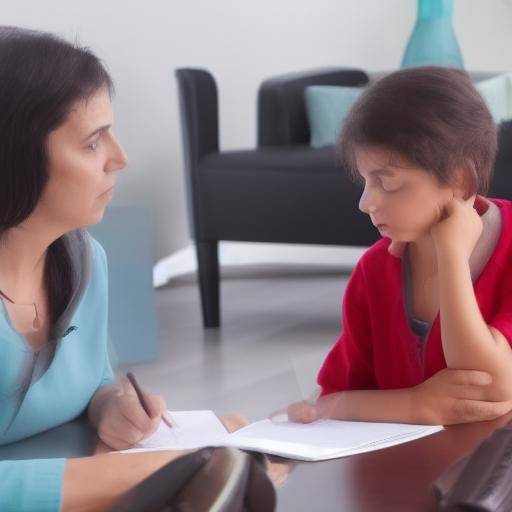
Family therapy experts emphasize the importance of open communication and the promotion of family resilience. Families are encouraged to seek professional help when conflicts become difficult to handle. Best practices include fostering empathy, validating emotions and seeking collaborative solutions.
Comparative analysis
Impact on Family Dynamics
Conflict resolution in family dynamics has a significant impact on the stability and happiness of its members. Families who practice a healthy conflict resolution tend to have stronger relationships and greater overall satisfaction. On the other hand, the lack of conflict resolution can lead to chronic tensions and family dysfunctions.
Practical Tips and Accessible Tips
Effective Strategies for Resolution of Family Conflicts
- It promotes open communication and mutual respect.
- Practice listening activates and validates the emotions of others.
- It sets clear limits to promote an environment of respect and understanding.
- It seeks professional advice if conflicts become overwhelming.
Industry ideas and Expert Reviews
Future Outlook and Emerging Trends
Experts on family dynamics predict a shift towards more inclusive and holistic approaches in conflict resolution. New technologies are expected to play a role in family mediation, facilitating communication and collaboration. In addition, the importance of continuing education on conflict resolution skills is emphasized to promote harmonious family coexistence.
Conclusions and FAQs
Conclusions
Conflict resolution in family dynamics has a powerful impact on the cohesion and happiness of its members. By adopting collaborative approaches, opening communication lines and practicing empathy, families can cultivate healthy and lasting relationships.
Frequently asked questions
Why is it important to resolve conflicts in family dynamics?
Conflict resolution promotes mutual understanding, strengthens family ties and reduces stress.
How can I help resolve family conflicts?
He actively listens to all those involved, promotes empathy and seeks collaborative solutions.
When should I seek professional help for family conflicts?
If conflicts become overwhelming or persistent, it is advisable to seek professional advice.
What role do generations play in resolving family conflicts?
Generational differences may influence family conflicts, but they also offer opportunities for intergenerational understanding.
How does stress from family conflicts affect mental health?
Stress caused by family conflicts can negatively impact mental health, increasing the risk of anxiety and depression.
What is the long-term impact of not resolving family conflicts?
The lack of resolution of family conflicts can lead to cumulative tensions, family dysfunctions and emotional distance.
Conclusions
In conclusion, the effective resolution of conflicts in family dynamics is essential for emotional well-being and family cohesion. By understanding their impact, adopting collaborative strategies and seeking help when necessary, families can cultivate strong and healthy relationships.