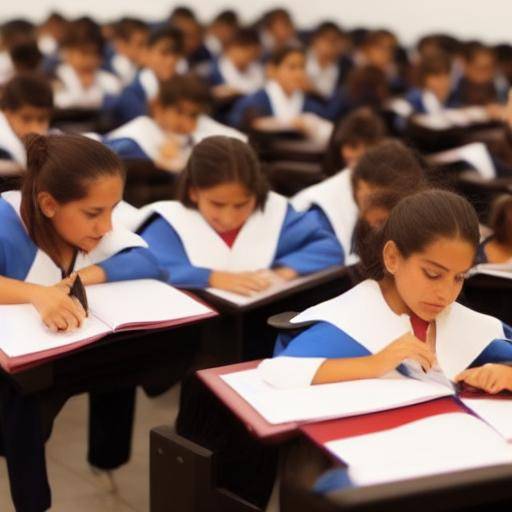
Emotional management is a vital ability in everyday life and has a significant impact on student academic performance. From the ability to regulate emotions to the ability to make informed decisions, emotional management influences students' academic success at all stages of their education. In this article, we will explore in depth the impact that emotional management has on academic performance, providing insights, practical strategies and an overview of its importance.
Introduction
Emotional management refers to the ability to recognize, understand, express, evaluate and regulate our emotions and emotions of others. In the educational environment, this skill becomes a crucial factor that can directly influence student academic performance. Often, the educational system focuses on the development of cognitive skills, leaving aside the importance of cultivating emotional skills in students. However, many studies show that emotional management plays a key role in academic success and overall student well-being.
History and Background
The notion of managing emotions is not a new concept, although its importance in the educational context has gained relevance in recent decades. Throughout history, several theorists and psychologists have addressed the importance of emotions in human behavior and their influence in various areas of life, including education. From the theories of emotional intelligence proposed by Daniel Goleman, to the concept of emotional regulation of researchers such as John D. Mayer and Peter Salovey, increased attention has been paid to the importance of emotional management in the academic field.
Developing emotional intelligence and fostering effective management of emotions in the educational context has been recognized as a determining factor in the learning process. Advances in the understanding of the human mind and the role of emotions have not only transformed educational practice, but have also opened new perspectives on how academic challenges and student well-being are addressed.
Analysis in Deep
Benefits of Emotional Management in Academic Performance
Emotional management entails a number of benefits that directly influence academic performance. The ability to recognize and regulate emotions allows students to maintain concentration, manage stress, solve problems effectively and improve interpersonal relationships. These emotional competencies not only facilitate the learning process, but also contribute to the adaptability, resilience and integral well-being of students.
Challenges in Emotional Management and its Impact on Academic Performance
Although emotional management has positive effects on academic performance, it also faces a number of significant challenges. Among them are the lack of emotional awareness, the inability to regulate negative emotions and the influence of stressful environments on the emotional well-being of students. These challenges can hinder academic performance and negatively impact student mental health.
Current Trends in Emotional Management and its Relationship with Academic Performance
In the current context, there is a growing interest in integrating emotional management into the education curriculum. From socio-emotional education programs to neuro-education approaches, current trends aim at greater inclusion of strategies and tools that promote the emotional intelligence of students. These approaches are designed to strengthen emotional skills and their direct impact on academic performance and student well-being.
Comprehensive review
Exploring the impact of emotional management on academic performance requires a thorough analysis of its practical application and implications. The implementation of emotional management strategies in specific educational environments, as well as the analysis of best practices, can provide a comprehensive insight into their effectiveness and influence on academic performance. In addition, it is essential to consider the perspectives of experts in the field of emotional education, as well as future projections of their impact on the educational field.
Comparative analysis
By comparing the impact of emotional management with academic performance, it is clear that there is a significant correlation between the development of emotional abilities and academic success. Students who can effectively regulate their emotions tend to demonstrate a higher level of concentration, emotional stability and coping skills, resulting in stronger academic performance. On the contrary, the absence of emotional skills can lead to learning difficulties, academic stress and lower overall performance.
Practical Tips and Accessible Recommendations
To improve emotional management and therefore academic performance, it is essential to implement practical strategies and provide effective tools for students. Some practical tips include fostering emotional self-knowledge, teaching stress management techniques, promoting a positive school environment and providing emotional support to students. These actions can have a significant impact on the ability of students to face academic challenges, promoting more consistent and healthy performance.
Industry Perspectives and Expert Reviews
Several experts in the field of education, psychology and neuroscience have expressed their views on the interaction between emotional management and academic performance. Their perspectives highlight the importance of addressing emotional well-being as an integral component of the educational process. In addition, they highlight the need to develop programs and approaches that promote the development of emotional skills in students, in order to optimize their academic performance and well-being in general.
Case Studies and Practical Applications
Through case studies that analyze the implementation of emotional management programs in specific educational environments, it is possible to understand how these initiatives have positively impacted students' academic performance. From these practical applications, valuable lessons can be drawn on the most effective strategies and approaches to fostering emotional management and its influence on academic performance.
Future Trends and Predictions
The field of emotional management in the educational environment is experiencing significant changes. Future trends suggest greater integration of socio-emotional education programmes, neuro-education-based approaches and the development of technological tools aimed at strengthening the emotional skills of students. These developments are expected to have a direct impact on academic performance, promoting a more equitable and focused educational environment on the integral well-being of students.
Conclusions
In conclusion, the impact of emotional management on academic performance is undeniable. Developing sound emotional skills not only benefits students' academic success, but also influences their overall well-being and ability to face future challenges. It is therefore crucial to recognize the importance of emotional management in the educational field and to promote its effective integration into teaching and learning processes.
Frequently asked questions
How does emotional management influence students' ability to care?
Emotional management significantly influences students' ability to care, as it allows them to regulate their emotions and maintain a clear focus on their academic tasks. Students with developed emotional skills tend to demonstrate greater ability to effectively concentrate and absorb information.
What are some effective strategies to promote emotional management in the educational environment?
Some effective strategies to promote emotional management in the educational environment include the implementation of socio-emotional education programmes, the promotion of open dialogue on emotions, the teaching of emotional regulation techniques and the promotion of a positive and compassionate school environment.
How can educators support the development of emotional skills in students?
Educators can support the development of emotional skills in students by teaching emotional intelligence, modeling emotionally healthy behaviors, creating a safe environment for emotional expression and providing resources and tools for emotional management.
Is there a relationship between emotional management and student academic performance?
Yes, there is a significant relationship between emotional management and student academic performance. Those who have strong emotional skills tend to demonstrate more consistent academic performance and greater ability to face academic and personal challenges.
Can emotional management impact student resilience?
Yes, emotional management has a direct impact on student resilience. By developing skills to regulate and manage their emotions, students become more able to overcome adversities, adapt to challenging situations and recover from stressful experiences.
What is the role of emotional management in the prevention of academic stress?
Emotional management plays a key role in the prevention of academic stress by equipping students with the tools needed to handle pressure, regulate negative emotions and maintain a healthy emotional balance, which contributes to reducing academic stress.
How can emotional management influence the overall well-being of students?
Emotional management can significantly influence the overall well-being of students by providing them with the skills necessary to face challenges, maintain healthy relationships, manage stress, and promote a sense of emotional balance and mental stability.
In short, recognizing the impact of emotional management on academic performance is essential for the integral development of students. By effectively integrating emotional management in the educational field, a more equitable learning environment, focused on the well-being of students and aimed at academic and personal success, can be promoted.
Knowledge and implementation of strategies to promote emotional management can provide students with the tools necessary to manage emotions effectively, promoting greater well-being and improvement in their academic performance.
By addressing the importance of emotional management in academic performance, this article seeks to provide a profound and practical insight on how emotional management impacts on student academic success. From historical development to practical application in educational settings, emotional management plays a crucial role in promoting effective learning and the overall well-being of students.