The family economy plays a crucial role in the well-being of children, as it influences such fundamental aspects as education, health, safety and emotional stability. In this article, we will explore in depth the relationship between the family economy and the well-being of children, analyzing their impact, the factors involved and offering practical advice and recommendations.
Introduction
The relationship between the family economy and the well-being of children is a topic of great relevance in today's society. The economic situation of a home can significantly influence the quality of life, opportunities and comprehensive development of children and adolescents. It is essential to understand how the financial decisions of parents impact the emotional, educational and physical well-being of their children.
In this article, we will examine in detail how the family economy affects the well-being of children, addressing key aspects, current trends and offering practical advice to promote a healthy and prosperous family environment.
History and Background
The family economy has been a subject of interest since ancient times. The economic practices and dynamics that develop within the home have evolved significantly throughout history, reflecting social, political and cultural changes. The administration of resources within the family has been the subject of study and innovation over the centuries, being central to the structuring and development of societies.
Evolution of the Family Economy
The concept of family economy is rooted in ancient times, when families were organized around the production of goods and the management of limited resources. Over time, the domestic economy has experienced significant changes, especially with industrialization and globalization. The incorporation of women into the labour market, the emergence of new technologies and the diversification of family models have reconfigured economic dynamics in the family sphere.
Impact of the Family Economy on the Education of the Sons
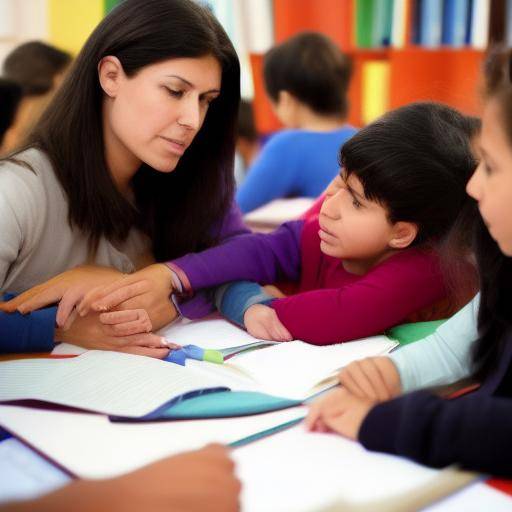
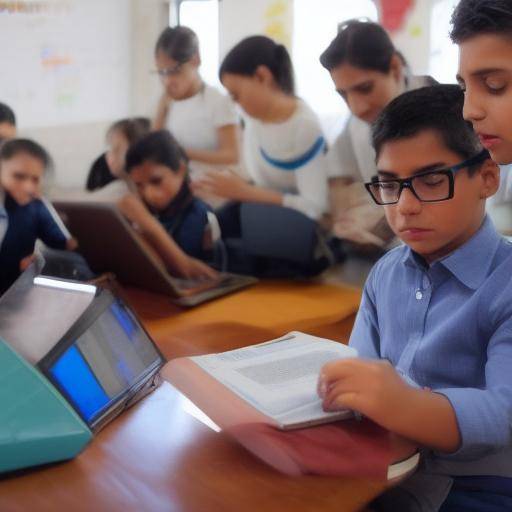
One of the most relevant aspects of the impact of the family economy on the well-being of children is its influence on education. The ability of parents to invest in their children ' s education, to provide school materials, access to quality educational institutions and academic support can make a significant difference in the academic performance and future opportunities of children. The family economy largely determines the possibility of accessing additional educational resources, such as tutoring, extracurricular courses or enrichment programmes, which enrich the educational process of children.
Emotional Welfare and Health
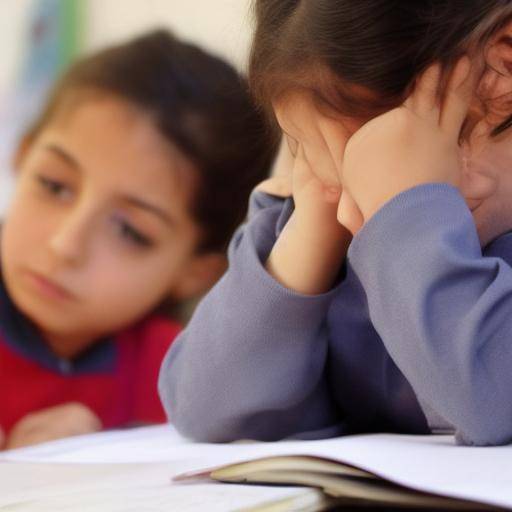
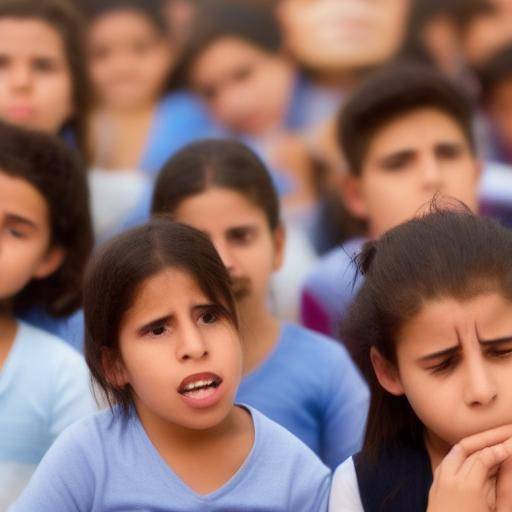
The economic stability of the home has a direct impact on the emotional well-being and health of children. Financial problems can generate stress on parents, which in turn can affect family dynamics and the home environment. Lack of economic resources may limit access to health services, adequate food and recreational activities, influencing the physical well-being of children.
The perception of security and emotional stability at home is strongly conditioned by the economic situation of the family. Conflicts related to finance can impact the self-esteem and psychological development of children, generating tensions that affect their emotional well-being.
Deep analysis
Benefits and Challenges of a Healthy Family Economy
The existence of a sound and healthy family economy entails a number of benefits for the well-being of children. Financial stability provides an enabling environment for comprehensive development, allowing access to resources that foster education, health, leisure and personal enrichment. Also, a well-managed family economy can promote responsible financial habits, instilling in children values and skills related to effective resource management.
On the other hand, economic challenges at home can represent an obstacle to the well-being of children. Financial problems can increase stress in parents, which in turn impacts on family dynamics and emotional environment in the home. Lack of economic resources can limit access to health services, adequate food and recreational activities, directly impacting on the health and physical well-being of children.
Current and Perspective Trends
Today, we are faced with new dynamics that have transformed the paradigm of the family economy. Digitalization, globalization and changes in the labour structure have changed the way families manage their resources and make financial decisions. Diversification of family models, the increase of single mothers and parents, and labour mobility, among other factors, have reconfigured the economic landscape in the family environment.
The COVID-19 pandemic has presented additional challenges, testing the resilience of family economies around the world. Loss of jobs, financial instability and the economic crisis have significantly impacted the well-being of children, generating increased concern for the economic security and future of families.
Faced with these trends and challenges, it is essential to explore strategies and practices that strengthen the family economy and, consequently, promote the well-being of children in a changing and complex environment.
Practical Tips to Drive the Family Economy and the Welfare of the Sons
1. Promoting Financial Education
Instilling concepts of savings, budget and financial management from an early age can lay the foundation for future financial responsibility for children. It is important to teach them the value of money, saving for short- and long-term goals, and the importance of making informed financial decisions.
2. Establish Realist Financial Targets
Defining clear financial goals in the family environment allows the creation of a benchmark for economic decision-making. The collaboration of all family members in the planning and implementation of financial objectives promotes shared responsibility and strengthens family cohesion.
3. Fostering Entrepreneurship and Creativity
Finding additional sources of income through family enterprises or creative activities can be a way to strengthen the family economy and promote the entrepreneurial spirit in children. Involving children in projects involving economic resource management and financial decision-making can enhance their comprehensive development.
4. Prioritizing Emotional Welfare and Communication
Keeping an open and empathic communication on financial issues at home is essential for cultivating an environment of trust and understanding. It is important to prioritize the emotional well-being of children, providing security and support in times of economic uncertainty.
5. Find Professional Support in Case of Economic Difficulties
In crisis situations or significant financial difficulties, it is essential to seek professional advice. Government agencies, financial advisers and non-governmental organizations provide resources and guidance for families facing economic challenges, supporting finance management and decision-making.
These practical councils can help to strengthen the family economy and, consequently, the well-being of children, promoting an environment of stability, security and comprehensive growth.
Conclusion
The family economy exerts a decisive influence on the well-being of children, covering relevant aspects such as education, health, emotional stability and future opportunities. It is crucial to understand the impact of financial decisions on the development of children, as well as to implement strategies that promote a sound and healthy family economy.
In considering the impact of the family economy on the well-being of children, it is essential to recognize the importance of financial education, goal planning, effective communication and, in cases of significant economic difficulties, seeking professional advice.
In short, the relationship between the family economy and the well-being of children is a topic of great relevance that requires attention and reflection from parents, educators, and society as a whole. By promoting a healthy family economy, it contributes to ensuring an enabling environment for the growth, development and happiness of children, laying the foundations for a prosperous and equitable future.
FAQs
1. How does the family economy affect access to education for children?
The economic situation at home can influence the quality of education to which children have access, including materials, additional educational resources, and the possibility of accessing higher-quality educational institutions.
2. What is the psychological impact of financial problems on children?
Financial problems can generate stress, anxiety and concern in children, impacting their emotional stability and self-esteem. It is crucial to provide emotional support in these scenarios.
3. How can the family economy affect the health of children?
Lack of economic resources can limit access to health services, adequate food and recreational activities, directly impacting on the physical and emotional health of children.
4. How to promote financial responsibility for children from an early age?
Instilling concepts of savings, budget and financial management, as well as involving children in everyday financial decision-making, can be beneficial in promoting financial responsibility from an early age.
5. What is the importance of open communication on financial issues at home?
Open and empathic communication on financial issues promotes an environment of trust and understanding at home, effectively addressing difficult economic situations and fostering a culture of family collaboration.
6. What resources and professional support are available to families facing economic difficulties?
In economic crisis situations, families can seek support from government agencies, financial advisers, and non-governmental organizations that provide resources and guidance for finance management.
External link
- UNICEF: Impact of the family economy on the well-being of children
- World Bank: Family Economy and Child Development
- National Institute of Statistics and Geography (INEGI): Indicators on the Family Economy in Mexico
Concluding, the impact of the family economy on the well-being of children is a central aspect that crosses multiple dimensions of family, social and educational life. Understanding this relationship is critical to implementing strategies that promote stable and prosperous family environments. By providing clear resources, tools and perspectives on this issue, doors are opened for the strengthening of families and, ultimately, the well-being of future generations.