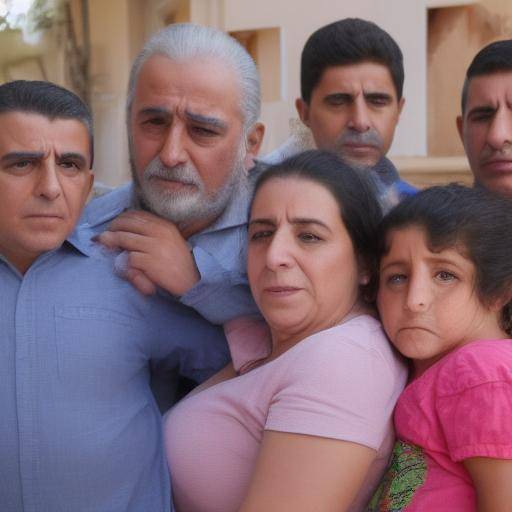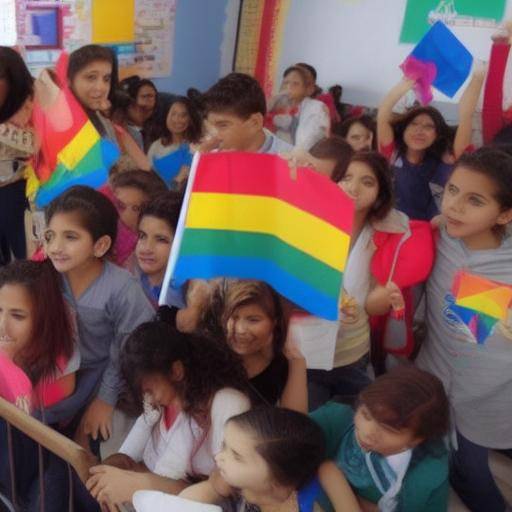

Intercultural communication in the family is fundamental in an increasingly diverse and globalized world. By managing different cultural backgrounds, languages, and ways of understanding and expressing emotions, intercultural communication can be a challenge, but also an opportunity to enrich family relationships. In this article, we will explore various strategies to strengthen intercultural communication in the family. From its history and evolution to practical advice and future trends, this article seeks to provide a comprehensive and clear view on this topic.
Introduction
Intercultural communication in the family is a relevant topic today, given the increase in cultural diversity in many societies. The ability to understand and communicate effectively among different cultural backgrounds is crucial for fostering harmony at home and fostering mutual understanding. In this article, we will explore both the challenges and opportunities presented by intercultural communication in the family, together with practical strategies to improve and strengthen family ties.
History and Background
Intercultural communication in the family has its roots in the history of humanity itself. From cultural exchanges on old trade routes to contemporary migration, the interaction between different cultures has been a constant. In the family context, the evolution of intercultural communication has been influenced by various factors such as migration, multicultural integration, and globalization.
Migration and Cultural Diversity
Migration has been an important engine of cultural diversity. The families that migrate face the challenge of integrating different cultures into their daily lives. This phenomenon has led to the evolution of intercultural communication strategies in the family sphere, being key to preserving cultural identity and fostering harmonious coexistence.
Globalization
Globalization has brought different cultures closer by facilitating interaction between people of different origins. This has led to a greater cultural mix within families, increasing the importance of intercultural communication to ensure mutual understanding and peaceful coexistence.
Evolution of Intercultural Communication Strategies
In response to these changes, strategies have emerged to improve intercultural communication in the family. These strategies include promoting mutual respect, learning languages and customs of different cultures, and promoting empathy and understanding. Throughout history, these strategies have been adapted to the changing needs of multicultural families.
Detailed Analysis
Benefits of Effective Intercultural Communication
Effective intercultural communication in the family can generate a number of significant benefits. In fostering mutual understanding and respect, family ties are strengthened, cultural acceptance is encouraged and an enriching environment is promoted for all family members. In addition, intercultural communication can lead to an expansion of the world's vision, enriching the lives of each individual in the family nucleus.
Challenges of Intercultural Communication in the Family
Despite the benefits, intercultural communication in the family also presents challenges. Linguistic barriers, differences in social norms and conflicts of values can hinder effective communication. In addition, cultural stereotypes and prejudices can generate tensions in family relations. It is essential to address these challenges in building meaningful cultural bridges within the family environment.
Current Trends in Intercultural Family Communication
Current trends in family intercultural communication reflect the growing awareness of the importance of cultural diversity. Many families adopt a proactive approach by integrating diversity into their family dynamics and promoting open dialogue on cultural differences. Technology also plays an important role in bringing families to their cultural roots through social networks, video calls and online educational resources.
Comprehensive review
Applications Intercultural Communication Strategies
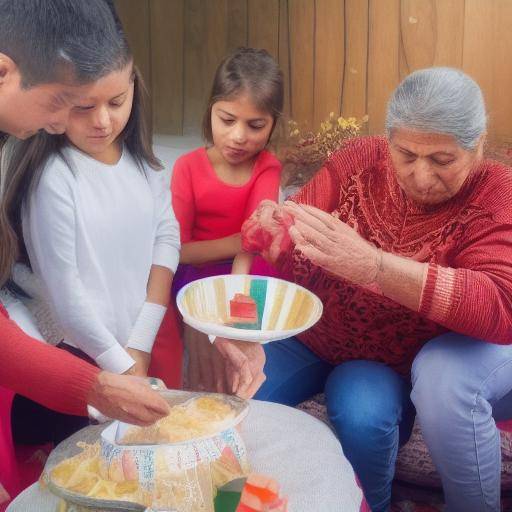
Intercultural communication strategies in the family can be manifested in various ways in everyday life. Promoting cultural exchange, participation in traditional family holidays and mutual learning of languages and customs are some of the many ways in which these strategies can be successfully implemented.
Best Practices and Case Studies
There are many cases of families that have successfully implemented intercultural communication strategies. These exemplary cases offer an overview of best practices, providing inspiration and guidance for families facing similar challenges.
Detailed Analysis of Pros and Contras
Intercultural communication strategies in the family have both advantages and disadvantages. It is essential to analyse in detail the positive and negative aspects of these strategies to understand their full impact on family dynamics.
Comparative analysis
Comparison of Intercultural Communication in Different Contexts
Compare intercultural communication in the family with its presence in other environments, such as in the field of work or education, provides a broad perspective on the importance and unique challenges it presents in the family environment.
Potential synergies between Intercultural Communication Strategies and other Family Practices
Explore possible synergies between intercultural communication strategies and other aspects of family life, such as conflict resolution or child-raising, can reveal opportunities to strengthen family unity through cultural diversity.
Practical Tips and Accessible Tips
Tips for Improved Intercultural Communication in the Family
- Prioritize mutual respect and empathy in all family interactions.
- Increase active learning of cultures represented in the family.
- Promote an environment where each family member feels valued and heard, regardless of their cultural origin.
Conclusions
Intercultural communication in the family is a fundamental dimension of family life in an increasingly diverse world. Strategies to strengthen this communication are key to promoting a harmonious, enriching and respectful environment in the home. By implementing effective strategies and cultivating an atmosphere of openness and understanding, families can transform the challenges of cultural diversity into opportunities to grow together. Intercultural communication in the family is an enriching journey that promotes understanding, acceptance and love among its members.
Frequently asked questions
Why is intercultural communication important in the family?
Intercultural communication in the family is crucial because it fosters understanding, mutual respect and acceptance of cultural diversity within the home, strengthening family ties and promoting an enriching environment for all members.
How can parents improve intercultural communication with their children?
Parents can improve intercultural communication with their children by fostering an atmosphere of openness, actively educating on different cultures and promoting respect for evident diversity in the home and in society.
What challenges can arise when implementing strategies for intercultural communication in the family?
In implementing intercultural communication strategies in the family, challenges may arise related to linguistic barriers, cultural differences and conflicts of values. It is crucial to address these challenges with empathy and openness.
How can technology play a role in promoting intercultural communication in the family?
Technology can play a crucial role in bringing families to their cultural roots through tools such as video calls, social networks and online educational resources, thus facilitating understanding and cultural exchange.
What are some effective strategies to promote intercultural communication in the family?
Some effective strategies include promoting active cultural exchange, participation in traditional family holidays, mutual learning of languages and customs, and promoting mutual respect and empathy in all family interactions.
How can intercultural communication in the family enrich the lives of its members?
Intercultural communication can enrich the lives of its members by promoting greater understanding of the world, strengthening cultural identity, fostering tolerance and promoting an enriching and respectful family environment.
Summary
Intercultural communication in the family is essential in a diverse and globalized world. Understanding and implementing effective strategies to foster this communication can strengthen family ties, promote cultural acceptance and enrich the lives of each family member. In addressing the challenges of cultural diversity with openness and empathy, families can turn them into opportunities to grow together and cultivate an environment of love, respect and understanding.
Throughout this article, we have explored the historical importance, current challenges, effective strategies and future trends related to intercultural communication in the family. Through practical advice, case studies and detailed analysis, the relevance and positive impact that these strategies can have on family dynamics have been highlighted. By properly understanding and implementing these strategies, families can transform cultural diversity into an asset that strengthens and enriches family life.
We conclude that intercultural communication in the family is an enriching journey that promotes understanding, acceptance and love among its members. By continuing to implement effective strategies and promoting openness to cultural diversity, families can build stronger ties and foster a harmonious and enriching family environment.
Now that you have explored this article, what strategies would you like to implement in your family to strengthen intercultural communication and promote a harmonious and enriching environment for all its members?