Introduction
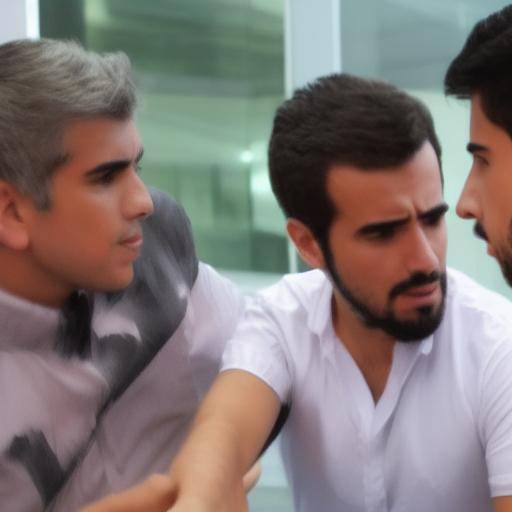
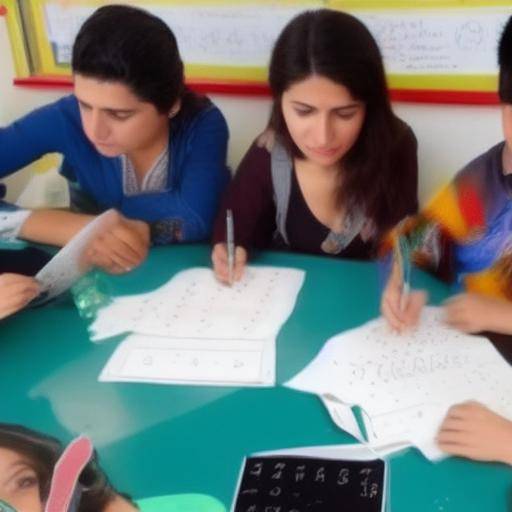
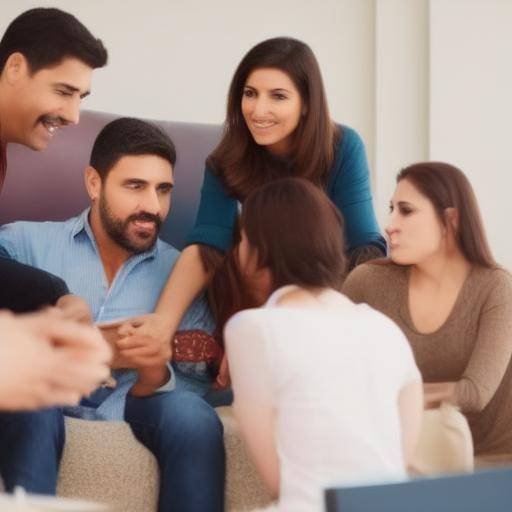
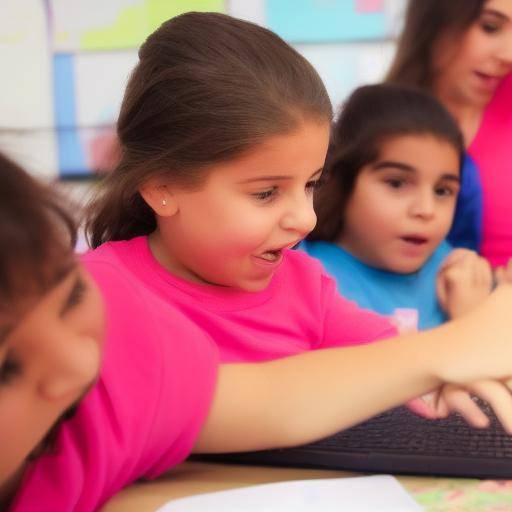
Have you ever participated in a school project where tensions in the working team hindered progress? Conflicts in student teams are a common reality, and learning to resolve them constructively is an invaluable skill. In this article, we will explore effective strategies to address and resolve conflicts in student teams. From its history and evolution to practical advice and future predictions, this comprehensive guide will provide you with tools and perspectives to promote effective collaboration and success in any group project.
History and Background
Conflicts in student teams are not a new phenomenon. From ancient philosophical debates to modern group tasks, students have faced challenges in conflict resolution. In ancient Greece, disputes among philosophers were common, and through dialogue and debate, strategies were developed to overcome differences.
In contemporary education, the first attempts to address the conflicts in the student sphere go back to the studies of psychology and pedagogy in the twentieth century. Behavioral patterns were identified and approaches developed to foster cooperation and peaceful conflict resolution. As education was directed towards a more participatory and collaborative approach, the importance of these strategies was intensified.
Deep analysis
Conflicts in student teams pose significant challenges, but also offer opportunities for personal and group growth. When dealing with conflicts effectively, students can learn to communicate better, understand and respect different views and develop problem solving skills.
It is essential to understand the factors that contribute to conflict in student teams. Differences of opinion, lack of communication, disagreements about task distribution and risk aversion are just some of the common triggers. In identifying and understanding these dynamics, students can address root problems before they intensify.
Comprehensive review
Getting to a constructive solution on a student team requires a combination of practical strategies, interpersonal skills and a proactive approach. Effective conflict management not only benefits the working environment, but also helps to build lasting relationships and fosters a positive learning environment.
Conflict resolution at the student level can also have a significant impact on student academic development. The ability to work as a team and resolve differences is a transferable ability that plays a crucial role in long-term professional and personal life.
Comparative analysis
Compare strategies to resolve conflicts in student teams allows us to identify the strengths and weaknesses of different approaches. Some techniques prioritize negotiation and commitment, while others focus on managing emotions and building consensus. Understanding the various ways to address the conflict allows students to select the most appropriate strategy for each situation.
Practical Tips and Recommendations
How can students apply conflict resolution strategies in their daily lives? Here are some practical tips:
- Promote open communication and active listening.
- Set clear rules and defined roles within the team.
- Practice empathy and try to understand the perspectives of others.
- Find creative solutions that meet the needs of all team members.
Industry Perspectives and Expert Reviews
Educators and experts in educational psychology have observed how conflict resolution in student teams influences the socio-emotional development of participants. When dealing with conflicts constructively, students can improve their collaboration skills, cultivate empathy and learn to manage their emotions in a healthy way.
Case studies and practical applications
Case studies provide valuable real examples of conflict resolution strategies in student teams. From research projects to extracurricular activities, these examples illustrate how students can overcome obstacles and achieve their goals through effective collaboration.
A notable case of study is the interdisciplinary project in which a group of students of various specialties joined to address a complex social problem. Through negotiation, strategic planning and conflict management, they managed to develop an innovative solution that had a significant impact on their community.
Future Trends and Predictions
As education evolves and adapts to changing demands, conflict resolution in student teams will remain a crucial issue. Current trends suggest a more holistic approach that integrates digital tools, emotional programming and intercultural approaches. Students are expected to acquire skills that will enable them to successfully face the challenges of the twenty-first century, including effective conflict resolution in collaborative environments.
Conclusion
In short, conflict resolution in student teams is an essential aspect of modern education. The strategies that students develop and apply in this context not only impact their school projects, but also lay the foundation for life skills in their adult life. Learning to understand, address and resolve conflicts constructively, students are preparing to succeed in a world that values collaboration, innovation and empathy.
Frequently asked questions
Why is it important to teach conflict resolution to students?
Conflict resolution is crucial, as it equips students with social, emotional and problem solving skills that are fundamental to a successful life. Learning to manage and resolve conflicts fosters healthy relationships, efficient teamwork and reflective decision-making.
How can educators foster conflict resolution in their classrooms?
Educators can foster conflict resolution by modeling positive attitudes, teaching effective communication skills, incorporating collaborative activities and providing constructive feedback to students.
What role does empathy play in conflict resolution?
Empathy plays a crucial role in conflict resolution, as it allows students to understand the feelings and perspectives of others. In cultivating empathy, students can address conflicts with understanding and consideration towards the needs of others.
How can students apply conflict resolution strategies outside the school environment?
Conflict resolution strategies are applicable in a wide range of situations, from social interactions to working environments. Students can use these skills to manage family conflicts, collaborate on community projects or resolve differences in work.
What is the importance of developing collaborative skills in conflict resolution?
Collaboration is fundamental in conflict resolution, as it promotes the search for mutually beneficial solutions and promotes a productive and harmonious working environment. In learning to collaborate, students can develop essential skills for success in both academic and professional fields.
What future trends are observed in conflict resolution in student teams?
Future trends indicate greater integration of intercultural approaches and digital tools to address conflicts more effectively. Students are expected to develop conflict resolution skills that reflect the diversity and complexity of the contemporary world.
With this article, we hope to have provided readers with a deeper understanding of strategies to resolve conflicts in student teams and their relevance in the educational environment and beyond. By fostering a culture of cooperation and mutual understanding, students will be better prepared to face the present and future challenges in their personal and professional lives.