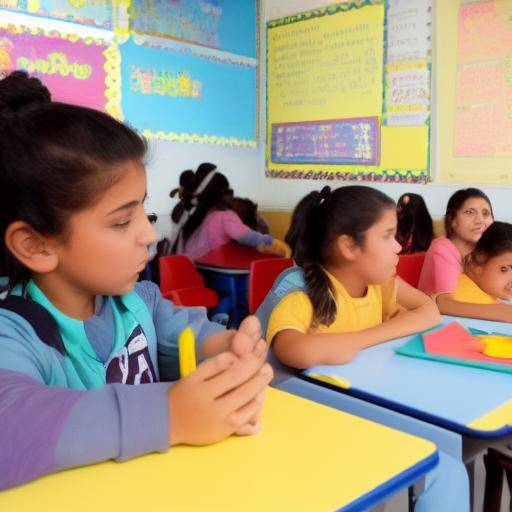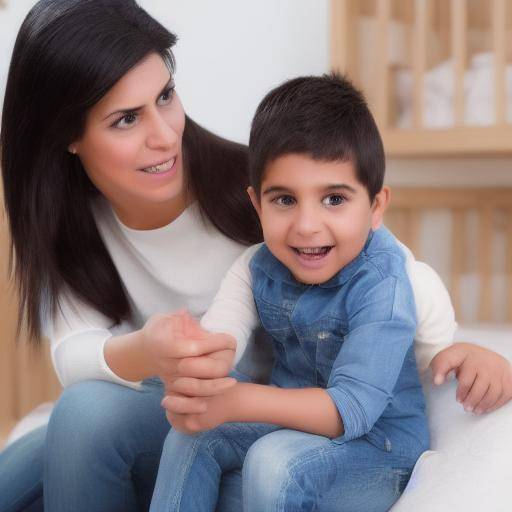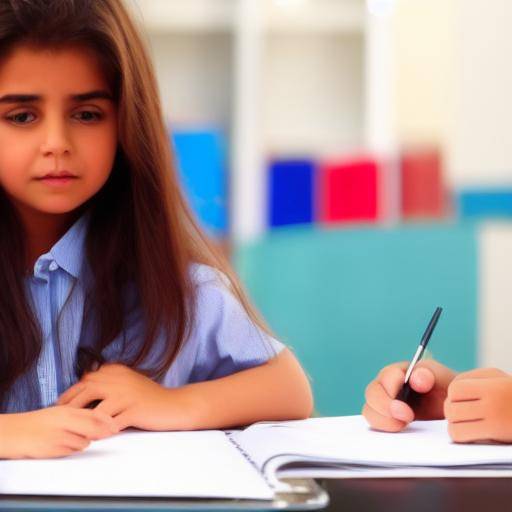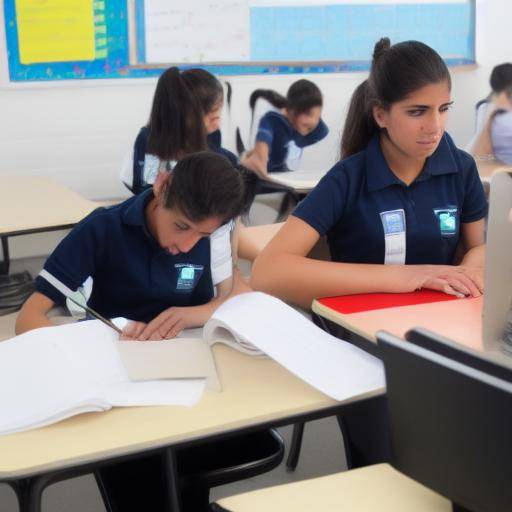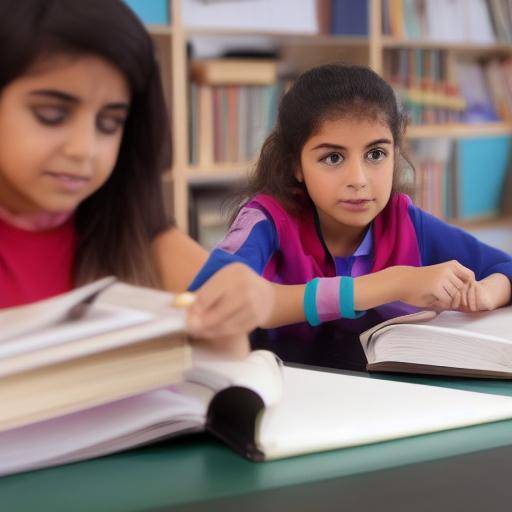
Non-verbal communication plays a key role in human interaction, and its teaching to adolescents is of vital importance in the development of their social and emotional skills. In this article, we will explore effective strategies to teach adolescents about non-verbal communication, addressing their importance, pedagogical techniques, and their impact on emotional well-being. Through a detailed approach, we will provide valuable information and practical applications that will benefit both educators and parents. Join us on this journey to discover how to enhance non-verbal communication in youth!
Introduction
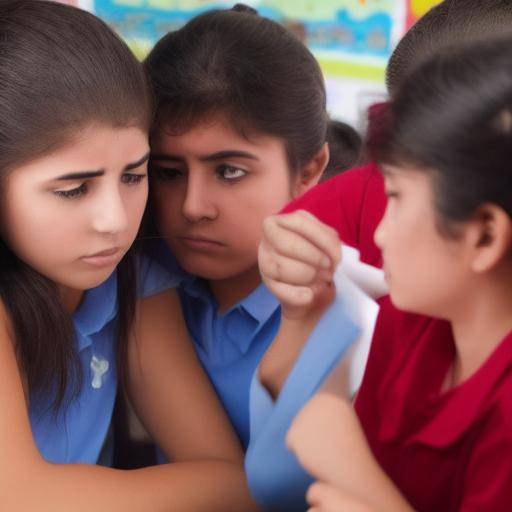
Non-verbal communication encompasses gestures, facial expressions, voice tone, posture and visual contact, among other elements. Often, these aspects go unnoticed, however, they have a significant impact on how adolescents perceive and are perceived by others. Learning to effectively interpret and use non-verbal communication can strengthen the skills of empathy, understanding and conflict resolution. With our focus on strategies to teach this crucial aspect of communication to adolescents, we hope to provide effective tools for the integral development of this stage of life.
History and Background
Non-verbal communication has been studied and analyzed throughout the history of humanity, from ancient civilizations to contemporary developments. Initial studies focused on the importance of gestures and facial expression in interpersonal communication.
The contributions of prominent psychologists and anthropologists have allowed for a deeper analysis of non-verbal communication. Pioneers like Paul Ekman, known for his research on facial expressions and associated emotions, or Edward T. Hall, who developed the theory of probemics, have enriched the understanding of this field.
There are many historical examples that demonstrate the relevance of non-verbal communication in different contexts and times. From non-verbal communication in politics and diplomacy to its role in performing arts, the historical legacy of non-verbal communication is broad and diverse.
Deep analysis
Non-verbal communication offers a wide range of benefits, but also presents significant challenges, especially in the context of teaching to adolescents. The ability to interpret non-verbal communication can contribute to a deeper understanding of emotions and empathy, which is crucial in the development of healthy relationships.
At the same time, teaching non-verbal communication to adolescents can be challenging because of the influence of technology and social networks in their interpersonal communication. Therefore, these modern dynamics need to be addressed in designing effective strategies.
Comprehensive review
Strategies to teach non-verbal communication to adolescents should be diverse and adapt to different educational environments. From playing roles and group dynamics to technological tools that facilitate the understanding of non-verbal communication, there are numerous methodologies that can be used effectively.
In this regard, collaboration between educators, psychologists and communication experts is essential to ensure a holistic approach in the teaching of this topic. The identification of the most effective practices and their application in real educational settings are processes that require careful planning and continuous evaluation.
Comparative analysis
The study of strategies to teach non-verbal communication to adolescents involves comparing and contrasting different pedagogical approaches. The effectiveness of practical activities, such as the representation of roles or the observation of daily situations, against the integration of technology and virtual simulation, can be analysed.
By exploring these tactics from a comparative perspective, it is possible to identify which are best suited to achieve educational objectives and to foster the development of non-verbal communication skills in adolescents. The diversity of approaches allows students to adapt to specific needs, promoting meaningful inclusion and learning.
Practical Tips and Accessible Recommendations
Faced with the challenge of teaching non-verbal communication to adolescents, it is essential to have practical advice and actionable recommendations that provide clear guidance to educators and parents. Some of the most effective strategies include:
- Promoting observation and self-sensitization: Inviting adolescents to observe and reflect on their own non-verbal communication, as well as their peers, can increase their awareness of these aspects.
- Integrating dramatization exercises: The representation of social situations through dramatizations allows teenagers to experience different expressions and gestures, promoting empathy and emotional understanding.
- Using audio-visual resources: Using videos or visual examples can facilitate the understanding of non-verbal communication, especially in a dynamic and digital context.
These practical councils offer a solid starting point for the implementation of effective non-verbal communication education strategies for adolescents.
Industry Perspectives and Expert Reviews
The opinions of experts in pedagogy, psychology and communication are fundamental to enrich the panorama of non-verbal communication teaching. Teen development experts, therapists and communication educators can offer valuable insights into the most effective strategies and common challenges in this area.
The exchange of views and experiences among professionals from different disciplines contributes to the construction of a comprehensive approach that addresses the complexities of teaching non-verbal communication in adolescents.
Case Studies and Real Life Applications
Case studies that demonstrate the concrete application of non-verbal communication teaching strategies to adolescents can provide a deeper understanding of their impact. Reviewing real cases in educational and social environments helps identify best practices and understand the challenges that may arise.
These practical examples provide a concrete view of how non-verbal communication teaching strategies can influence the personal, social and emotional development of adolescents.
Future Trends and Predictions
As the social and technological environment continues to evolve, it is crucial to anticipate future trends in the teaching of non-verbal communication to adolescents. The impact of artificial intelligence, virtual reality and digital communication represents challenges and opportunities in the formation of non-verbal communication skills in this age group.
The predictions about the future of non-verbal communication teaching offer a prospective vision that can guide educational strategies and the development of educational resources adapted to the changing needs of adolescents.
Conclusion
The teaching of non-verbal communication to adolescents is a crucial aspect for their emotional and social development. The implementation of effective strategies, real case analysis and collaboration with relevant experts are key to providing comprehensive education in this field. By raising awareness and fostering the understanding of non-verbal communication, it contributes to the formation of young people with sound communication skills and increased empathy capacity.
This article has explored various strategies, perspectives and practical applications in the teaching of non-verbal communication to adolescents, offering a complete analysis that seeks to enrich the educational approach in this fundamental area.
Frequently asked questions
Why is it important to teach non-verbal communication to adolescents?
Non-verbal communication plays a significant role in social and emotional interaction. Teaching adolescents to understand and effectively use non-verbal communication contributes to their emotional development, strengthens empathy skills and improves their ability to interpret and respond adequately to the non-verbal signals of others.
What are some common challenges in teaching non-verbal communication to adolescents?
Some common challenges include the influence of technology on interpersonal communication, cultural diversity in the interpretation of gestures and expressions, and the initial resistance of adolescents to participate in activities that require emotional sensitivity.
What are the most effective strategies to teach non-verbal communication to adolescents?
Effective strategies include the promotion of observation and reflection, the use of dramatizations to experience different expressions, and the incorporation of audiovisual resources to facilitate understanding.
How can non-verbal communication benefit adolescents in their social and academic life?
A solid understanding of non-verbal communication allows them to develop healthier relationships, improve their participation in group activities, and communicate their emotions more effectively, which in turn positively influences their emotional well-being and academic performance.
Are all the elements of universal non-verbal communication?
While some elements, such as certain facial expressions, can be shared in various cultures, there are significant differences in the interpretation of gestures, visual contacts and bodily positions among different cultural groups, which requires sensitivity and intercultural awareness in teaching non-verbal communication.
What is the long-term impact of teaching adolescents about non-verbal communication?
The long-term impact includes increased emotional intelligence, improved ability to interpret and respond to non-verbal signals in different contexts, and a strengthening of social skills, which prepares them better to face challenges in their adult life.
Through the thorough analysis of these frequent questions, it is expected to provide a clear and detailed understanding of the importance and implications of teaching non-verbal communication to adolescents.
In short, the teaching of non-verbal communication to adolescents is essential for their comprehensive development. Through the implementation of effective strategies, collaboration with experts and reflection on future trends, a generation with strong communication skills and increased emotional sensitivity can be nurtured.