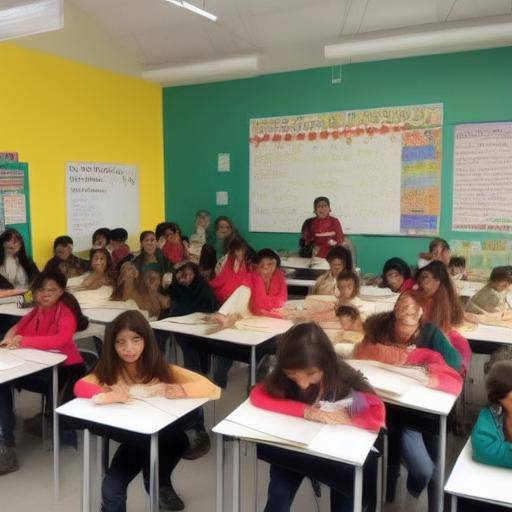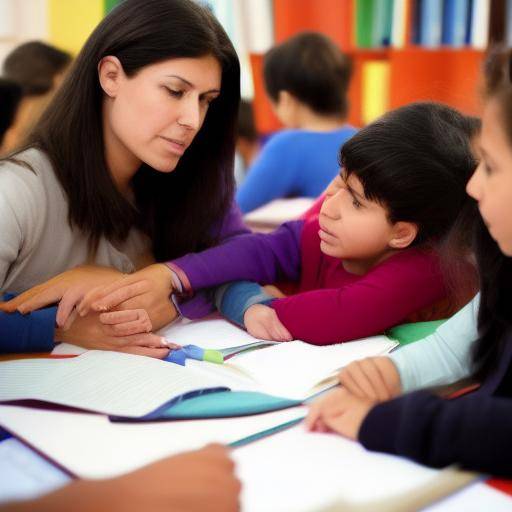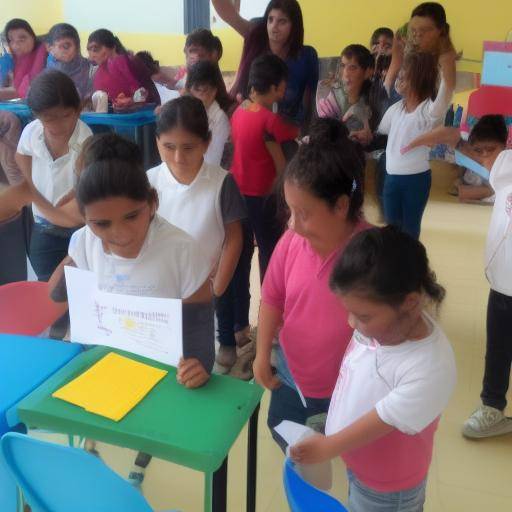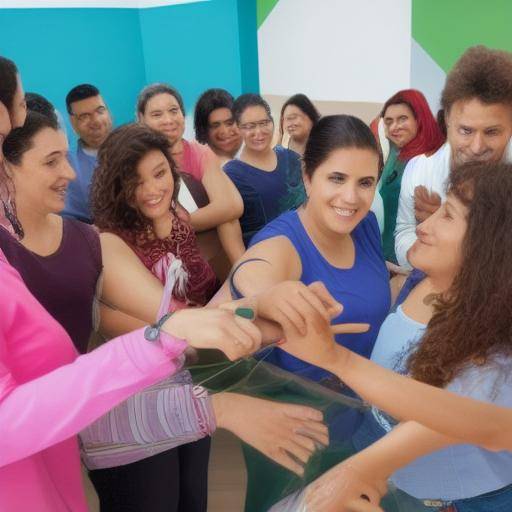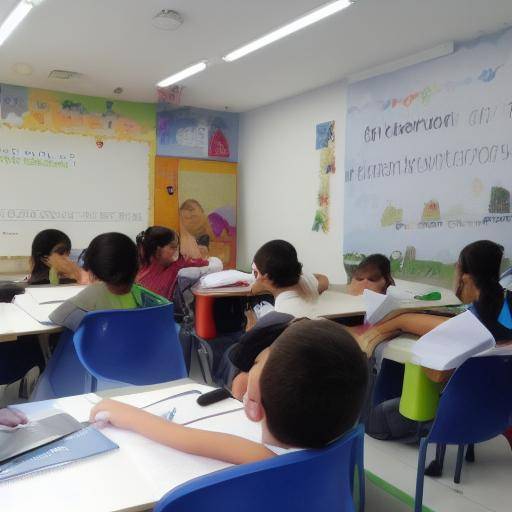
Respect and courtesy are fundamental values in the formation of children and young people, and their importance is reflected in coexistence in the school environment. In this article, we will explore various resources and strategies to promote respect and courtesy among students, as well as their positive impact on the educational environment.
Introduction
Since ancient times, respect and courtesy have been fundamental pillars of human interaction. In the school environment, these values become even more relevant, as they contribute to the creation of safe, inclusive and harmonious spaces. In this article, we will immerse ourselves in the universe of resources that can be used to inculcate and strengthen respect and courtesy among students, providing the necessary tools to promote healthy and empathic coexistence in the classrooms.
History and Background
The concept of respect has deep roots in the history of humanity. From ancient civilizations to today, respect has been regarded as a fundamental pillar in social coexistence. In the educational field, the promotion of respect has evolved over time, adapting to the changing needs of society and educational communities.
Origins of respect and courtesy in education
Respect and courtesy in the school environment are based on the philosophical and ethical principles of different cultures and civilizations around the world. From Confucius teachings in ancient China to traditions of respect in indigenous cultures, the value of respect has been passed through generations as a fundamental pillar in education.
Education developments
Respect and courtesy in education have experienced significant evolution over the centuries. Since the implementation of codes of conduct in schools to the integration of emotional education programmes, the promotion of respect and courtesy has been constantly sought as an integral part of the educational process.
Challenges and Developments
Throughout history, there have been important milestones in promoting respect and courtesy in the school environment. From the adoption of institutional policies to the creation of awareness-raising and training programmes for teachers, these milestones have marked a significant impact on how the issue of respect is addressed in schools.
Detailed Case Analysis
We will explore specific cases where the implementation of programs or measures to promote respect and courtesy has had a positive impact on school coexistence. These examples will provide a detailed overview of how resources have been effectively used to strengthen values of respect and courtesy among students.
Analysis in Deep
Promoting respect and courtesy in the school environment entails a number of significant benefits, as well as challenges that need to be addressed strategically. A detailed analysis will allow us to fully understand the implications and opportunities that arise when implementing resources to strengthen these values.
Benefits of promoting respect and courtesy in the school environment
Respect and courtesy not only contribute to a more harmonious school environment, but also promote the development of social skills, empathy and peaceful resolution of conflicts. In addition, the promotion of these values can positively impact the academic performance and self-esteem of students.
Challenges and Challenges
Despite the obvious benefits, the promotion of respect and courtesy in the school environment is not without challenges. Preventing school harassment, managing interpersonal conflicts and integrating effective strategies to promote mutual respect require a comprehensive and sustained approach over time. These challenges can be addressed with the use of specialized resources and the continued commitment of the entire educational community.
Current trends
The educational sphere is constantly evolving, and current trends in promoting respect and courtesy reflect adaptation to contemporary needs and realities. From the integration of educational technologies to the inclusion of intercultural approaches, current trends offer new perspectives and opportunities to strengthen these values in the school environment.
Perspectives and Diverse Reviews
Perspectives and views on promoting respect and courtesy in the school environment can vary significantly in terms of different educational, cultural and philosophical approaches. Exploring and understanding these perspectives from various disciplines and contexts will enrich our understanding of how to effectively address these values in the school arena.
Comprehensive review
The use of resources to promote respect and courtesy in the school environment involves a variety of approaches, strategies and best practices that deserve thorough consideration. This comprehensive analysis will provide an integral insight into how to effectively address these values in the educational environment.
Practices and Case Studies
We will examine in detail how specific resources and strategies have been successfully implemented in real school environments, analysing the results obtained, the challenges overcome and lessons learned. These case studies will give us a deep understanding of how resources can be effectively implemented in specific situations.
Opinions of Experts and Future Perspectives
We will gather the opinions and analysis of experts in the field of education, exploring the far-reaching implications of promoting respect and courtesy in the school environment. In addition, we will examine future prospects regarding the use of resources to strengthen these values, anticipating possible advances and challenges that may arise.
Comparison of Methods and Approaches
By comparing different methods and approaches to fostering respect and courtesy in the school environment, we will get a comprehensive view of the available options, their respective strengths and possible limitations. This comparison will allow us to identify the most effective strategies to promote these values in diverse educational contexts.
Practical Tips and Recommendations
Based on research and analysis, practical advice and evidence-based recommendations will be presented to promote respect and courtesy in the school environment. These resources will provide teachers and school leaders with concrete guidance to strengthen the promotion of these values in their institutions.
Founded Councils
Advice based on best practices and academic and professional experience will be provided. These councils will be supported by solid evidence and will provide readers with clear and actionable guidelines for the implementation of effective strategies in their school environments.
Conclusions and FAQs
In this section, the content of the article will be summarized in a comprehensive manner, reinforcing the importance and positive impact of promoting respect and courtesy in the school environment. In addition, frequent questions that may arise in connection with the topic will be addressed, providing detailed and persuasive answers to these common questions.
Concluding, the promotion of respect and courtesy in the school environment is an imperative in the comprehensive training of students. The implementation of effective resources, supported by evidence-backed practices, provides educators and school leaders with the tools necessary to create inclusive, safe and enriching educational environments. By employing innovative strategies and promoting a culture of mutual respect, they lay the foundation for the integral development of students and the strengthening of the school community as a whole.
Frequently asked questions
Why is it important to promote respect in the school environment?
Promoting respect in the school environment is crucial to promoting peaceful coexistence, developing social and emotional skills, and preventing school harassment. In addition, mutual respect lays the foundation for a safe and enriching educational environment.
What are some effective strategies to promote respect in schools?
Effective strategies include teaching empathy, promoting assertive communication, integrating emotional education programmes, and implementing codes of conduct based on mutual respect.
How can educational resources strengthen the promotion of respect and courtesy in the school environment?
Educational resources such as emotional education programmes, teaching materials on respect and courtesy, and training for teachers in respect promotion strategies play a key role in strengthening these values in the school environment.
What is the role of teachers in promoting respect in classrooms?
Teachers play a key role in modeling respectful behaviours, fostering open dialogue on mutual respect, and providing guidance and support to students in understanding the importance of respect in social interaction.
How can the promotion of respect in the school environment impact educational quality?
The promotion of respect in the school environment is positively correlated with educational quality by creating an environment conducive to learning, the emotional well-being of students, and the prevention of disruptive behaviour that may interfere with teaching and learning.
What is the long-term impact of promoting respect in the school environment?
The long-term impact includes the formation of conscious, resilient and empathetic citizens, the creation of cohesive school communities, and the promotion of work and social environments in the future based on mutual respect and courtesy.
In short, the promotion of respect and courtesy in the school environment is key to the comprehensive development of students and the construction of inclusive and enriching school communities. The implementation of effective resources, evidence-based strategies and the active commitment of the educational community are fundamental pillars for strengthening these values in the formation of future generations.