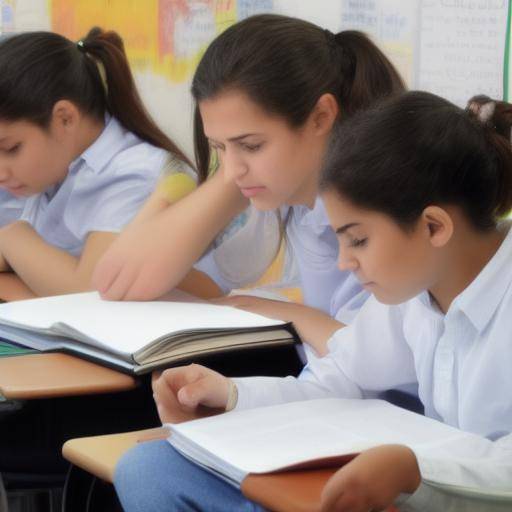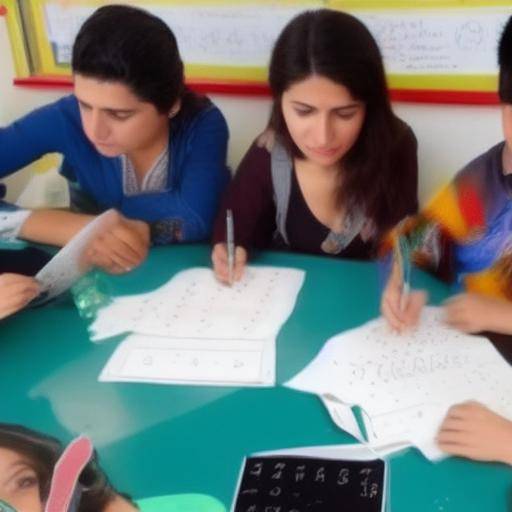
Adult education is a constantly evolving field, and self-learning has become a fundamental part of this process. In this article, we will explore strategies for self-learning in adult education, its importance, its historical development, its practical application, and future trends and predictions related to this issue.
Introduction
Self-learning, or the ability to learn independently, is a crucial element in adult education. As the educational environment continues to be transformed, effective strategies to promote self-learning become increasingly relevant. In this article, we will thoroughly explore this topic, providing key information, practical examples and actionable advice to support the development of self-learning in adult education.
History and Background
The concept of autonomous learning has its roots in the philosophy of education, with key figures such as Paulo Freire and Malcolm Knowles contributing to its development. Freire, with his approach to liberating education, advocated the student's autonomy in his learning process. On the other hand, Knowles, a pioneer in the field of andragogy, emphasized the importance of self-direction in adult learning.
Throughout history, self-learning has experienced significant evolution, influenced by advances in technology, sociocultural changes and discoveries in learning psychology. Today, it is recognized as a powerful tool to train adults in their search for new skills and knowledge.
Deep analysis
Self-learning offers a number of significant benefits for adults, including flexibility in scheduling, promoting self-motivation and developing troubleshooting skills. However, it also poses challenges, such as the need for personal discipline and the absence of direct interaction with an educator.
Taking into account the challenges and benefits, it is essential to explore effective strategies to promote self-learning in adult education. This is where educational institutions and facilitators play a crucial role in the design of learning environments that foster independence and self-regulation in adult students.
Comprehensive review
As we enter a more detailed exploration, we highlight specific strategies that have a positive impact on the promotion of self-learning in adult education. These include the creation of enriching learning environments, the promotion of reflection and self-assessment, and the integration of innovative educational technologies that empower students in their learning process.
In addition, it is important to analyze best practices in different educational contexts, from vocational training to continuing education, identifying approaches that really resonate with the diversity of adults seeking to expand their skills and knowledge.
Comparative analysis
By comparing strategies for self-learning in adult education with other educational approaches, we notice significant differences in terms of student autonomy, curriculum adaptability and learning responsibility. However, we also observe potential synergies that can enrich educational practices in general.
Through concrete examples and implementation scenarios, we can visualize how effective implementation of strategies for self-learning in adult education can contribute to educational innovation as a whole.
Tips and Suggested Actions
For educators and facilitators seeking to strengthen self-learning in adult education, we offer practical advice and suggested actions that can infuse vitality and effectiveness in their educational methods. These tips include the creation of interactive learning environments, the incorporation of custom learning projects and the facilitation of self-evaluation to promote self-consciousness and personal growth. Through a series of clear steps and examples applied, educators can effectively implement these strategies to boost self-learning in their adult students.
Industry ideas and Expert Reviews
Gathering ideas and opinions from experts in the field of adult education provides a valuable insight into current and future trends in strategies for self-learning. By exploring the perspectives of experienced professionals, we can glimpse the emerging opportunities and the anticipated challenges that will inform the leadership of this crucial area in the coming years.
Case Studies and Practical Applications
Case studies presenting practical applications of strategies for self-learning in adult education offer a deeper understanding of how these strategies are manifested in real educational environments. Evaluating the results obtained and lessons learned from these cases provides valuable information for the continuous improvement and adaptation of strategies to different contexts and individual needs.
Future Trends and Predictions
In conclusion, we focus on future trends and predictions related to strategies for self-learning in adult education. The exploration of the possible directions that this field will take gives us a prospective vision, preparing us to embrace innovations and adaptations that further strengthen autonomous learning in adult education.
Conclusion
In short, strategies for self-learning in adult education play a crucial role in individual empowerment and educational advancement. By adopting a strategic and student-centred approach, educators and facilitators can foster an enabling environment for the development of self-learning, training adults to achieve their educational and professional goals with confidence and skill.
FAQs
1. What is autonomous learning and why is it important for adults?
Self-learning implies that adults have the ability to direct and manage their own learning process, which gives them flexibility and control over their educational and professional development. It is important for adults as it allows them to adapt their learning to their individual needs, times and responsibilities, thus facilitating personalized and effective education.
2. What are some effective strategies to promote self-learning in adult education?
Some effective strategies include the creation of enriching learning environments, the promotion of self-reflection and self-evaluation, the use of digital educational resources, and the facilitation of experiential learning opportunities.
3. What are the common challenges facing adults in their quest for self-learning?
Common challenges include time management, self-motivation, lack of resources or support, and the need for self-regulation and self-discipline skills.
4. How can educators effectively support self-learning in adults?
Educators can support self-learning by providing personalized guidance, constructive feedback, relevant resources and by fostering a collaborative and supportive learning environment.
5. Is autonomous learning suitable for all adults, regardless of their previous educational experience?
Yes, autonomous learning is applicable to adults with various previous educational experiences. It can be adapted to involve adults with a variety of backgrounds, skills and educational objectives.
6. What role does technology play in promoting self-learning in adult education?
Technology plays a key role in providing access to online educational resources, self-assessment tools, collaborative learning platforms and flexible programming and participation options.
In conclusion, strategies for self-learning in adult education are essential for the continued growth and development of students in the modern world. By effectively embracing and implementing these strategies, educational institutions and facilitators can make a significant difference in the educational and professional empowerment of adults, preparing them to succeed in a changing and dynamic environment.
*Note: This article was written with the aim of providing useful and relevant information on the subject and is designed to be educational. It is recommended that readers seek professional advice or consult additional sources to address any specific problem.