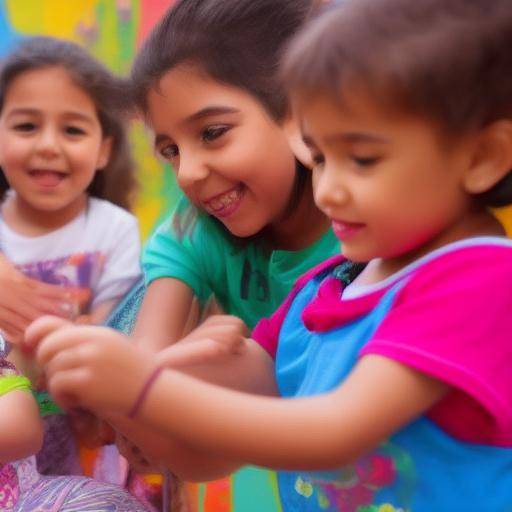
At present, cultural diversity is a highly relevant issue in the process of teaching children. The ability to understand, respect and celebrate cultural differences is crucial to form tolerant and empathic individuals in society. It is therefore essential that parents and educators implement effective strategies to teach children about cultural diversity. In this article, we will explore various educational strategies as well as their importance and practical applications.
Introduction
The Importance of Teaching Cultural Diversity to Children
In an increasingly globalized world, cultural diversity is a key pillar in fostering inclusiveness, respect and understanding among people. Teaching children about cultural diversity from an early age not only promotes acceptance of differences, but also encourages their curiosity about different cultures, traditions and ways of thinking. This education helps them develop an open mindset, fostering empathy and the ability to interact positively with individuals of diverse origins.
History and Background
The Evolution of the Teaching of Cultural Diversity
The teaching of cultural diversity has evolved significantly throughout history. Since the first attempts to understand and document cultural differences to date, significant progress has been made in the inclusion of cultural diversity in educational programmes. We will analyze the historical milestones that have marked the evolution of this teaching, as well as the key figures that have contributed to its development.
Significant Issues in Education on Cultural Diversity
It is essential to understand the milestones that have impacted the way in which cultural diversity is taught to children. From the implementation of educational laws to the inclusion of specific curriculums, we will analyze the most relevant moments that have shaped the way this topic is addressed in the educational field. For example, the introduction of multicultural education in the 1970s and the implementation of inclusion policies in the twenty-first century have been crucial for progress in the teaching of cultural diversity.
Analysis in Deep
Benefits of Teaching Cultural Diversity to Children
- Development of Empathy and Tolerance: In learning about different cultures, children develop the ability to put themselves in the place of others, fostering empathy and tolerance.
- Promotion of Critical Thought: Exposure to various cultures and perspectives stimulates critical thinking, helping children analyze and question their own beliefs and assumptions.
- Preparation for a Globalized World: Understanding cultural diversity prepares children to live and work in a global society, where interaction with people of different origins is a constant.
Challenges in the Teaching of Cultural Diversity
- Prejudice and Stereotypes: Combating prejudices and stereotypes in society can be a significant challenge for educators.
- Lack of Resources and Training: Lack of adequate educational resources and insufficient training of teachers may hinder the effective teaching of cultural diversity.
- Resistance to Change: In some contexts, there may be resistance by parents and communities to the inclusion of curricula that address cultural diversity.
Current Trends in Cultural Diversity Education
- Use of Technology: The integration of digital technologies allows educators to access a wide range of resources and materials representing diverse cultures.
- Interdisciplinary approach: The teaching of cultural diversity is not limited to classes of history or social studies; it is integrated into all areas of the curriculum, from literature to sciences.
- Community participation: Involving the community in the educational process, inviting cultural leaders and experts to share their knowledge, is a growing trend in cultural diversity education.
Effective Strategies for Teaching Cultural Diversity
1. Integration of the Curriculum
Incorporating cultural diversity in all areas of the curriculum is essential. This includes:
- Literature: Select books that reflect diverse cultures and perspectives.
- History: Show historical events from multiple cultural points of view.
- Social Sciences: Explore how different cultures address issues such as family, education and the economy.
2. Use of Multimediate Resources
Use movies, documentaries, music and art from different cultures to enrich learning. Resources such as National Geographic Kids and YouTube Kids offer culturally diverse and accessible content.
3. Interactive Projects and Activities
- Oral History Projects: Encourage students to interview members of their community about their cultural backgrounds and experiences.
- International days: Organize thematic days where students can learn and celebrate different cultures through traditional meals, music and dances.
- Cultural maps: Create class maps that show the world's cultural diversity, highlighting the contributions of various cultures to global society.
4. Invitation to Orators and Experts
Invite community leaders, artists and cultural experts to talk to students and share their knowledge and experiences. This can include demonstrations of traditional arts and crafts, storytelling and interactive workshops.
5. Empathy Development Through the Game
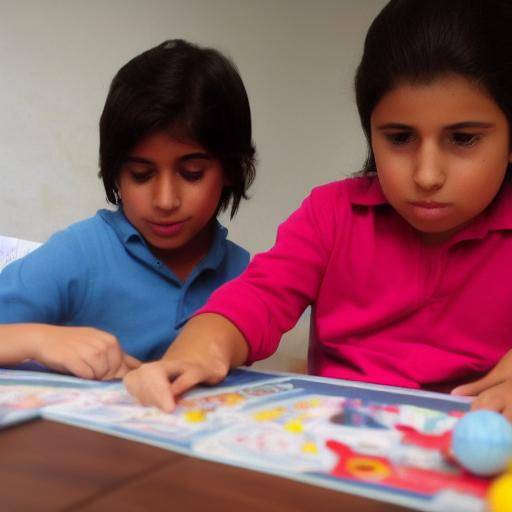
Using role games and simulation activities to help children understand and experience different cultural perspectives. Educational games like “Cultural Awareness” can be useful tools in this process.
Practice in Different Educational Environments
Primary Education
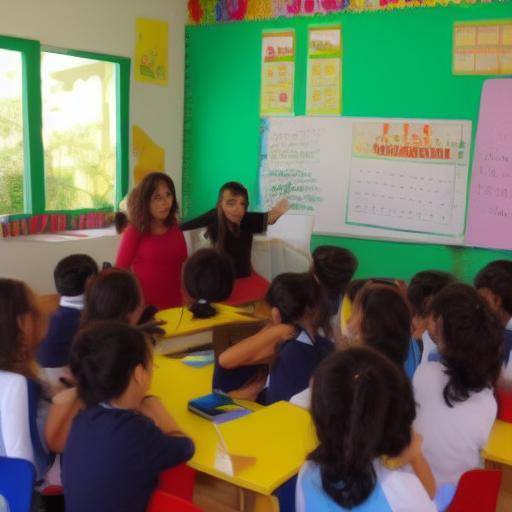
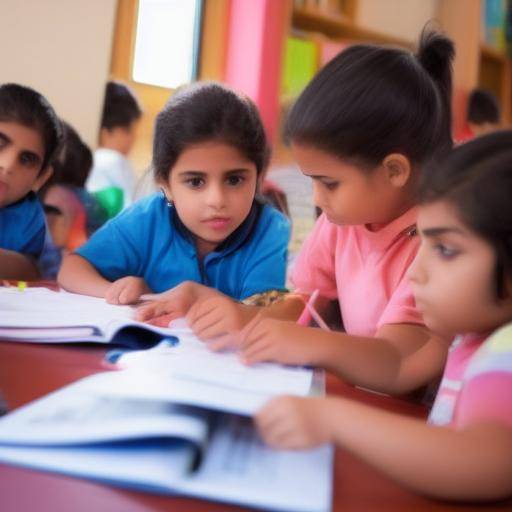
At the primary level, it is essential to use interactive and visual methods to capture the care of children. Activities such as the creation of multicultural murals, the use of children's tales from various cultures and the organization of cultural festivals can be very effective.
Secondary Education
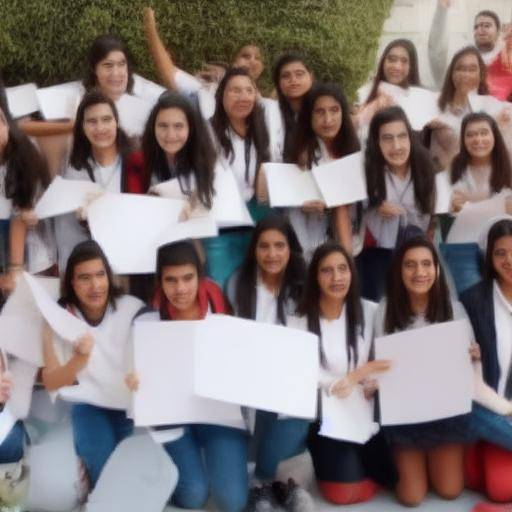
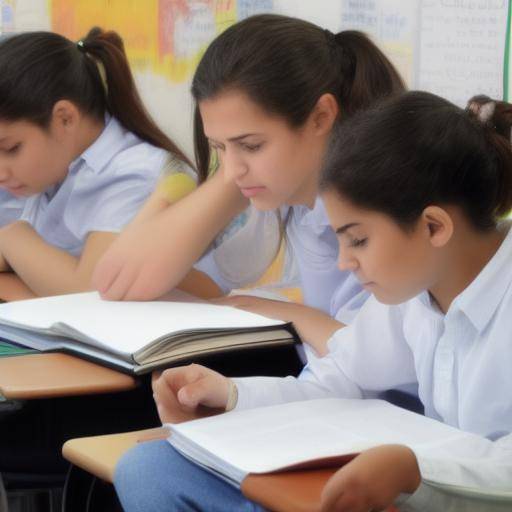
For high school students, it is important to encourage critical thinking and discussion. Research projects on the history and contributions of different cultures, debates on issues of diversity and the integration of cultural studies in the main subjects can help deepen their understanding.
Extracurricular environments
In extracurricular clubs and activities, international cooking workshops, multicultural cinema clubs and cultural exchange programmes can be organized. These activities provide a practical platform for students to experience and celebrate cultural diversity.
Conclusion
Teaching children about cultural diversity is an essential task in contemporary education. By implementing effective strategies, educators and parents can help children develop a deep understanding and genuine respect for cultural differences. This not only enriches their education, but also prepares future generations to live in a diverse and globalized world, fostering empathy, tolerance and inclusion.
This article provides an exhaustive overview of effective strategies to teach children about cultural diversity, highlighting their importance and providing practical resources and approaches for their implementation in different educational settings.