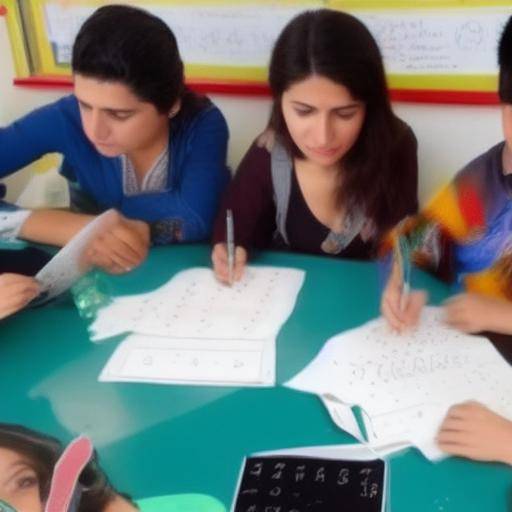
Globalization is a phenomenon that has transformed the world we live in. At present, it is essential that educators address this issue in their classes so that students understand their impact on the economy, politics, culture and society at large. This article will provide a detailed guide on effective strategies to teach about globalization and its impact, including the importance of addressing this issue in a comprehensive and contextualized manner.
Introduction
In the modern era, globalization has brought unprecedented interconnection between people, societies and markets. From international trade to the diffusion of culture and technological advancement, globalization has significantly altered the dynamics of the contemporary world. Understanding this phenomenon is crucial for future generations to adapt and participate in a globalized environment. In this article, we will explore effective strategies to teach about globalization and its impact, providing educators and students with the necessary tools to understand and analyze this complex phenomenon.
History and Background
Globalization, in its contemporary sense, dates back to the end of the twentieth century, although its roots can be traced through the history of humanity. From the Silk Road to the colonial expansion, the interaction between different cultures, economies and societies has laid the foundations for the current globalized world. Some significant milestones in the history of globalization include the Industrial Revolution, the establishment of international organizations such as the UN and the growing economic interdependence among nations.
Case studies:
- The influence of the Silk Road in the interconnection between East and West.
- The impact of colonization on the spread of cultures and markets.
- The Industrial Revolution as a catalyst for global economic interdependence.
Analysis in Deep
Globalization has generated significant benefits, such as access to goods and services worldwide, rich cultural exchange and the possibility of international cooperation in solving global problems. However, it has also brought challenges, such as economic inequality, loss of cultural identity and homogenization of local culture.
Statistics and Examples:
- The increase in international trade over the past 50 years.
- The influence of multinational companies on the global economy.
- The dissemination of cultural practices through the globalization of the media.
Comprehensive review
To effectively teach about globalization, it is essential to address its impact on different aspects of modern life. From the economy and politics to culture and the environment, globalization has left its mark on all these areas, generating both opportunities and challenges.
Methods Comparison:
- Approaches to teach about the economic impact of globalization.
- Strategies to address cultural globalization in the classroom.
Comparative analysis
Globalization poses challenges and opportunities for teaching in different contexts and disciplines. By comparing and contrasting the way globalization affects different sectors and regions, educators can provide students with a more comprehensive and contextualized understanding of this phenomenon.
Examples and Scenarios:
- Impact of globalization on the agricultural sector in developing countries.
- Differences in the adoption of global technologies in different regions.
Practical Tips and Accessible Recommendations
In teaching about globalization and its impact, it is crucial to provide students with practical tools to understand and analyze this phenomenon critically. Providing concrete examples, case studies and interactive activities can help students connect abstract concepts with tangible reality.
Steps to follow:
- Use local case studies to illustrate the impact of globalization on the community.
- Promote international debates and news analysis.
- Include simulation exercises that show the effects of global political decisions.
Industry Perspectives and Expert Reviews
Globalization has transformed the way companies operate, governments interact and people relate to each other. By incorporating the perspectives of experts from different fields, educators can provide students with a more complete and updated view of the impact of globalization on the contemporary world.
Interviews and Expert Reviews:
- Economists' views on the benefits and challenges of globalization.
- Perspectives of opinion leaders on global interconnection and its impact on society.
Case Studies and Real Life Applications
Case studies are a valuable tool to illustrate how globalization affects different industries, communities and social groups. In analysing specific cases, students can better understand the real impacts of globalization and the strategies used to adapt to this phenomenon.
Impact and Lessons Learned:
- Case study on the impact of globalization on the textile industry.
- Lessons learned from communities that have experienced cultural change due to globalization.
Future Trends and Predictions
Globalization continues to evolve, and it is essential that educators and students be aware of emerging trends and possible future directions of this phenomenon. This will enable them to prepare for the challenges and opportunities that globalization will continue to generate in the future.
Potential predictions and challenges:
- Impact of digitalization on the expansion of globalization.
- Challenges posed by climate change and globalization.
Conclusion
Globalization is a complex phenomenon that influences all aspects of modern life. By teaching about globalization and its impact, educators play a crucial role in preparing future generations for an increasingly interconnected world. Through the use of comprehensive strategies, concrete examples and the incorporation of multiple perspectives, educators can provide students with the necessary tools to understand, analyze and participate actively in a globalized environment.
Frequently asked questions (FAQs)
Why is it important to teach about globalization?
Globalization has a significant impact on people's daily lives, from economic decisions to interaction with other cultures. Understanding globalization is essential to adapt to an increasingly interconnected world.
What are some challenges associated with globalization?
Economic inequality, loss of cultural identity and environmental degradation are some of the challenges that are closely linked to globalization.
How can I effectively teach about globalization in an educational environment?
The incorporation of local case studies, interactive activities and debates on global issues can make education on globalization more effective and relevant to students.
What is the role of globalization in the world economy?
Globalization has facilitated international trade, foreign investment and the integration of global economies, creating both opportunities and challenges.
How can I address cultural globalization in the classroom?
Incorporating examples of the influence of globalization on music, cinema, gastronomy and cultural traditions can help students understand how globalization impacts on cultural diversity.
What are the future implications of globalization?
Digitalization, climate change and technological advances will continue to influence how we experience globalization, creating new opportunities and challenges.
In short, teaching about globalization and its impact requires a comprehensive approach that encompasses economic, cultural, political and social aspects. By providing students with a profound understanding of this phenomenon, educators prepare them to participate critically and actively in a constantly evolving globalized world.