Introduction
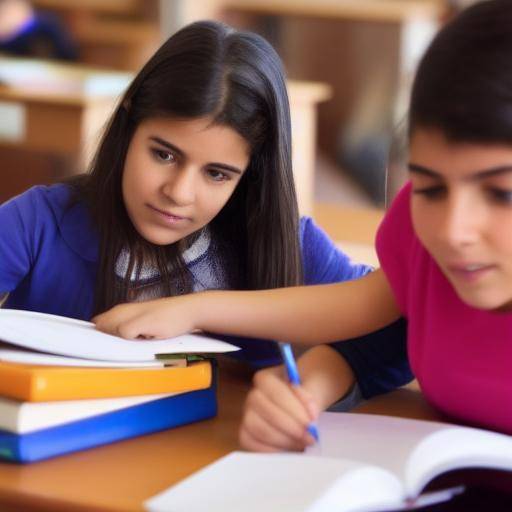
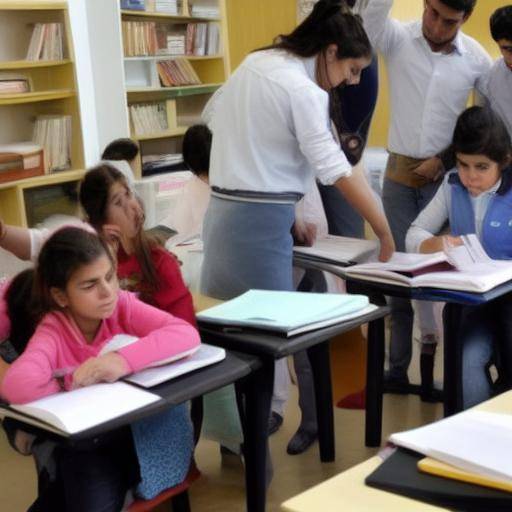
Teamwork is a practice that has proven to be essential not only in the workplace, but also in the academic environment. The ability to collaborate with others to achieve a common goal not only improves academic performance, but also fosters the motivation and personal development of students. In this article, we will explore in depth the benefits of teamwork in academic motivation, analyzing its historical impact, current perspectives, practical applications, and future trends.
History and Background
Teamwork has been a deeply rooted practice in the history of humanity. Since ancient times, civilizations such as the Greeks and the Romans valued collaboration to face common challenges. The concept of "sinergia" has developed over the centuries, recognizing that teamwork can generate results higher than the sum of individual contributions. In the academic field, the cooperative learning approach has gained ground, underlining the importance of inter-student collaboration in gaining stronger knowledge.
The evolution of teamwork in education has been marked by significant milestones. The creation of active and participatory learning strategies has led to a paradigm shift, recognizing that students benefit not only from learning, but also from working together to process, understand and apply such knowledge. In addition, technological advances have facilitated remote collaboration, breaking down geographical barriers and fostering diversity in work teams.
Analysis in Deep
The benefits of teamwork in academic motivation are diverse and significant. Studies have shown that students participating in teamwork activities show an increase in academic performance, as well as in their intrinsic motivation to learn. Interaction with peers allows students to develop communication skills, problem solving, leadership and collaboration, skills that are fundamental to their personal development and to their professional future.
In addition, teamwork fosters a sense of belonging and community among students, promoting an environment of mutual support and camaraderie that is essential for emotional and social well-being. This in turn contributes to the creation of a positive and enriching learning environment, where students feel more committed and motivated to achieve their academic goals.
Despite these benefits, teamwork also presents challenges. The heterogeneous composition of the teams can generate interpersonal conflicts, difficulties in the coordination of tasks and inequalities in the distribution of responsibilities. It is imperative that educators and teachers promote effective strategies to address these challenges and maximize the benefits of teamwork in the academic environment.
Comprehensive review
The benefits of teamwork in academic motivation are manifested in various applications and contexts. From group projects and discussions to problem-solving activities, educators have the opportunity to design learning experiences that encourage student cooperation and commitment. By incorporating teamwork as an integral part of the curriculum, students are prepared to successfully meet future academic and professional challenges.
A team-based approach can also benefit from best practices identified through previous studies and experiences. The identification of key factors for the success of teamwork, the evaluation of individual and group performance, and constructive feedback are key aspects to optimize the results of collaborative learning.
Comparative analysis
When teamwork is compared to individual learning, significant differences are highlighted in terms of results and motivational effects. While individual learning can focus on self-reliance and self-responsibility, teamwork promotes interdependence and collaboration. Both approaches have their own strengths and limitations, and the combination of both can provide a balanced and comprehensive learning experience for students.
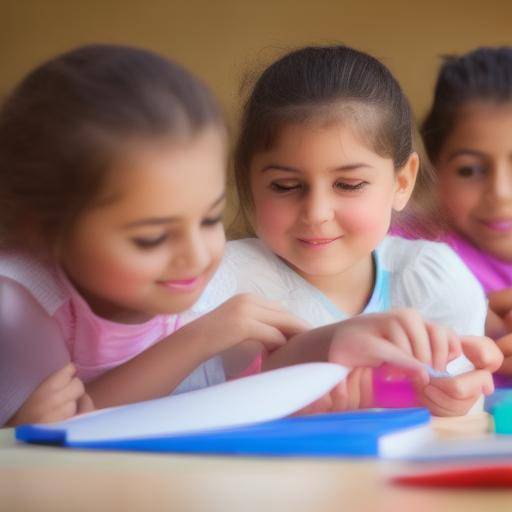
Teamwork can also influence academic motivation differently depending on the educational level. While at initial levels, collaboration can awaken interest in learning and promote active participation, at more advanced levels, group projects can challenge students to deepen content and develop critical thinking skills and problem solving.
Practical Tips and Accessible Tips
To maximize the benefits of teamwork in academic motivation, it is useful to consider certain practical tips and strategies:
- Promote diversity in the composition of teams to enrich perspective and understanding.
- Establish clear roles and responsibilities within teams to promote equitable collaboration.
- Provide opportunities for individual and group reflection and evaluation to identify areas of improvement.
- Inculcate a culture of mutual support and achievements within teams to strengthen the sense of community.
Industry Perspectives and Expert Reviews
Educators, academics and professionals in the sector recognize the importance of teamwork in academic motivation. Current trends highlight the integration of digital tools and collaborative platforms that facilitate communication and collaboration between students, regardless of their geographical location. In addition, experts highlight the need to train students in soft skills and socio-emotional competencies through teamwork, recognizing their relevance in contemporary work.
It is predicted that teamwork will remain a fundamental pillar in education, adapting to the demands of a globalized and technologically advanced environment. The incorporation of innovative methodologies and interdisciplinary approaches can provide new opportunities to enhance student motivation and commitment through teamwork.
Case Studies and Real Life Applications
To illustrate the tangible benefits of teamwork in academic motivation, we consider several case studies that highlight its significant impact:
Case Study 1: Collaborative Research Project
A group of students carried out a collaborative research project that allowed them to explore a topic of common interest from interdisciplinary perspectives. Through debates, data analysis and joint presentations, students not only improved their understanding of the topic, but also experienced an increase in their intrinsic motivation to deepen the study.
Case Study 2: Business Simulation
A business simulation exercise that required the formation of teams to make strategic decisions in a competitive environment proved to be a transformative experience for students. Collaboration between partners stimulated creativity, problem solving and informed decision-making, generating renewed enthusiasm for learning.
Future Trends and Predictions
As education continues to evolve, the focus on teamwork and academic motivation is expected to be strengthened. The integration of technology to facilitate virtual collaboration, the emphasis on the development of socio-emotional skills and the adaptation of pedagogical approaches focused on active learning are trends that probably shape the future of teamwork in education.
It is predicted that globalization and interconnection in the educational field will require an increasingly collaborative and multicultural approach, preparing students to face global challenges and contribute significantly in a diverse and dynamic world.
Conclusions
Teamwork not only offers tangible benefits in terms of academic performance, but also influences the motivation and commitment of students, creating a solid basis for their integral development. In considering its benefits, challenges and practical applications, it is clear that teamwork plays a key role in education and in preparing for future success.
The collaboration between students not only enriches their learning experience, but also fosters skills and attitudes that are essential in the world of work and in society at large. By prioritizing teamwork in the academic environment, they lay the foundation for the formation of trained, collaborative and motivated individuals who are prepared to address the challenges of the future with confidence and enthusiasm.
Frequently asked questions
How can teamwork improve academic motivation?
Teamwork promotes social interaction, shared responsibility and a sense of belonging, factors that contribute significantly to increasing the academic motivation of students. In confronting challenges collaboratively, students feel more committed, valued and excited about the learning process.
What are the main challenges of teamwork in the academic environment?
Some of the most common challenges include task coordination, equitable sharing of responsibilities, interpersonal conflict management and fair evaluation of individual and group performance. Addressing these difficulties effectively is critical to maximizing the benefits of teamwork.
What are best practices to promote an effective team working environment in the classroom?
Promoting diversity in team-building, establishing clear roles and responsibilities, providing opportunities for constructive feedback, and promoting a culture of mutual support are some of the best practices to foster an effective teamwork environment in the classroom.
How can teamwork prepare students for success in the workplace?
Teamwork enhances skills such as effective communication, collaboration, problem solving and leadership, competencies highly valued by employers. By providing practical teamwork experiences, students prepare themselves both to contribute positively to work teams and to lead projects effectively.
What role does technology play in promoting teamwork in education?
Technology has facilitated communication and collaboration among students, allowing teamwork remotely and creating interactive educational resources. Digital platforms and tools offer opportunities for collaboration, joint creation and active participation in virtual environments.
How can teamwork in education impact equity and inclusion?
Teamwork in education encourages the assessment of diversity and the recognition of individual contributions, promoting a spirit of equality and mutual respect. In appreciating and taking advantage of differences, inclusion is strengthened and an environment in which all students feel valued and empowered.
Conclusion: In conclusion, teamwork in the academic environment not only offers significant benefits in terms of motivation and academic performance, but also prepares students to be influential and collaborative participants in society. By actively promoting collaborative learning, the integral development of students is nurtured, equipping them with the skills and attitudes necessary to successfully face future challenges.
By embracing the transformative potential of teamwork in academic motivation, educators and professionals in the education sector can cultivate an active, participatory and enriching learning culture that empowers students to achieve their maximum potential and thrive in an interconnected and diverse world.